

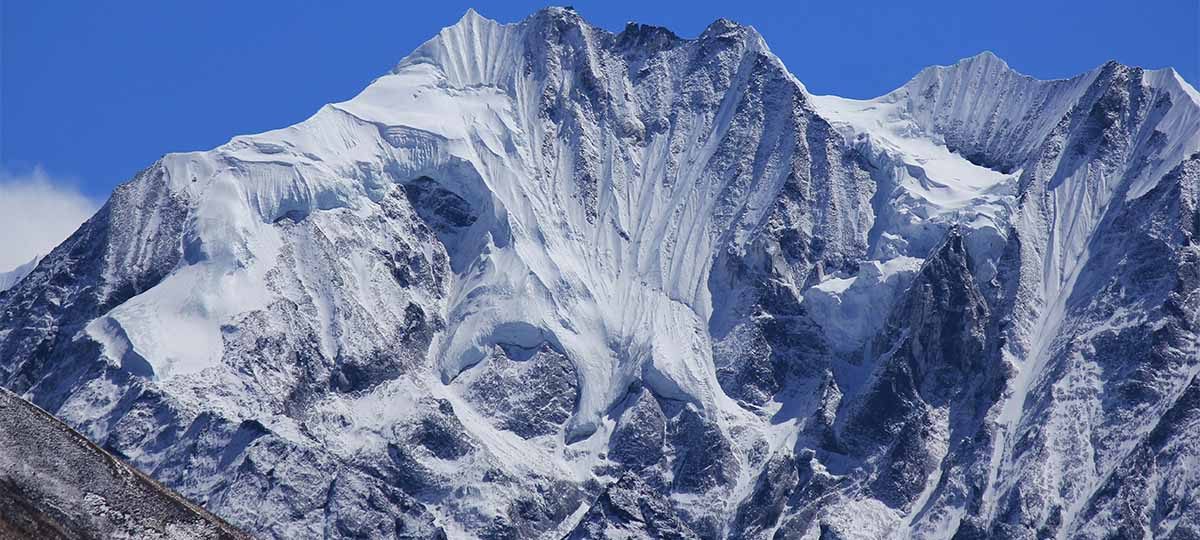
September is one of the best months for the Langtang Trek with stable weather and striking views of the Himalayan vistas. In this post-monsoon month, you can see lush scenery with striking mountain views.
The atmosphere of this month is refreshing, trails are washed by the monsoon rains from the previous monsoon month, and the forests are lush green. The skies start to open up this month, providing stunning views of the Langtang range. The visibility this month is unparalleled, and the sights of the Himalayan terrains are spectacular, with deep blue skies, treating you to awe inspiring scenery.
September has mild temperatures and well defined trails that make trekking in the Langtang region a delightful experience. The fresh mountain air and greenery after the monsoon reward you with a rejuvenating atmosphere. The crisp air and stable weather of this month enhance your trekking experience.
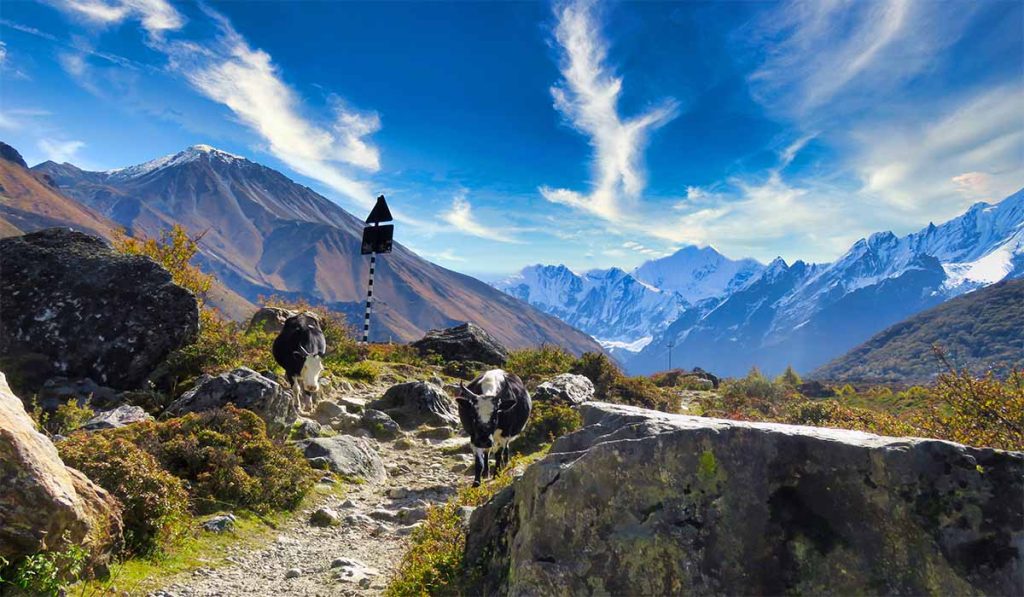
In short, September is a perfect time to trek Lantang Valley with favourable trail conditions, pleasant weather, and exceptional visibility, ensuring you a most joyful and engaging adventure.
Highlights of the Langtang Trek in September
- Clear skies with fewer clouds
- Refreshing weather with dry, firm, and well marked trails
- Lush green hills, forests and rain-washed trekking terrains.
- Walk along the serene villages like Langtang and Kyanjin Gompa, with striking mountain views.
- Crisp mornings and breathtaking sunrises over snow clad mountains.
- Perfect season for capturing beautiful shots of stunning landscapes glowing in the autumn light.
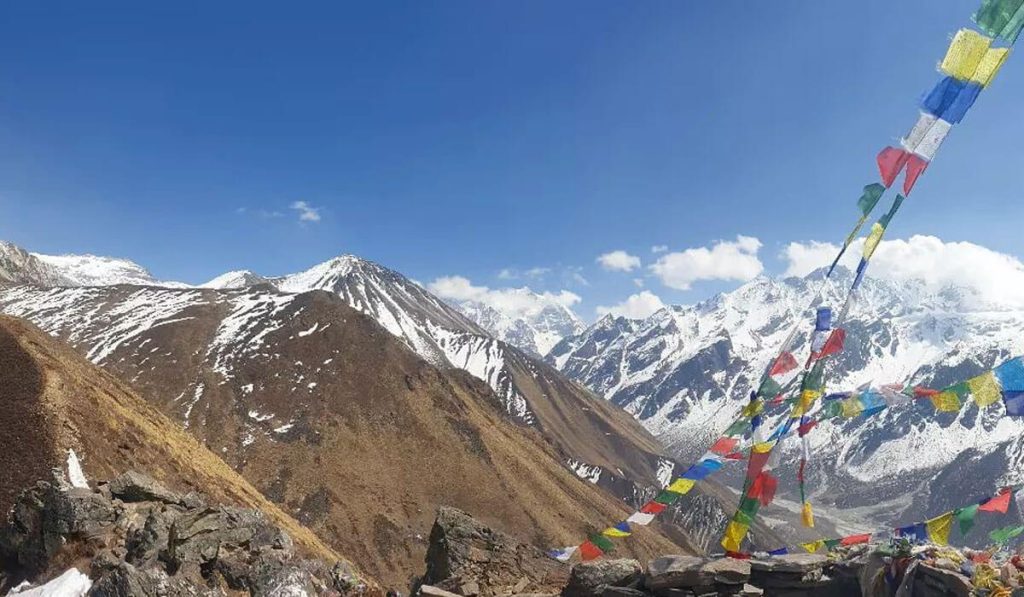
- Striking views of Dorje Lakpa, Yala Peak, Porong Ri, Gangchempo, Langtang Lirung and many other nearby peaks because of exceptional visibility.
- Moderate weather, perfect for exploration in the Himalayas.
- A chance to see the colors of early autumn while trekking through Langtang National Park, which is gifted with diverse flora and fauna.

Langtang Trek in September: Trail Conditions
In September, two phases of the trail can be seen. This is the first post-monsoon month that marks the start of the autumn season. So, in early September, especially in the initial two weeks, there is a likelihood of light rainfall. At this time, there are relatively fewer visitors compared to the later days of September which means the trails are tranquil.
The light rain in the early days of September can make trails moist, requiring careful footing. However, the sights of rain-washed landscapes and fuller waterfalls with a refreshing autumn ambiance make your journey truly fascinating.
In the later part of the month, the weather improves fast. The chances of rainfall are low. The skies begin to open up and the mountain views become clearer. The weather conditions become stable and the trails are dry. This makes hiking easier and more comfortable.
As the month progresses you will start to meet more trekkers. It adds a lively and social vibe to the journey. The forests are still lush green and Langtang Lirung and other snowy peaks look stunning under the beautiful skies.
If you are heading to Langtang in September, you might wonder whether to go at the start of the month or wait until later. Both options offer something unique and special. However, the choice depends on what kind of experience you want.
If you like to see lush landscapes, a tranquil atmosphere, and don’t mind traversing through slightly wet trails with occasional light monsoon showers, then early September might be a good time. With proper rain gear, monitoring of real time trail conditions, you can have a smooth Himalayan adventure. On the contrary, if you want stable weather with clear skies and distinct mountain views, then you may choose to trek in the later days of September.
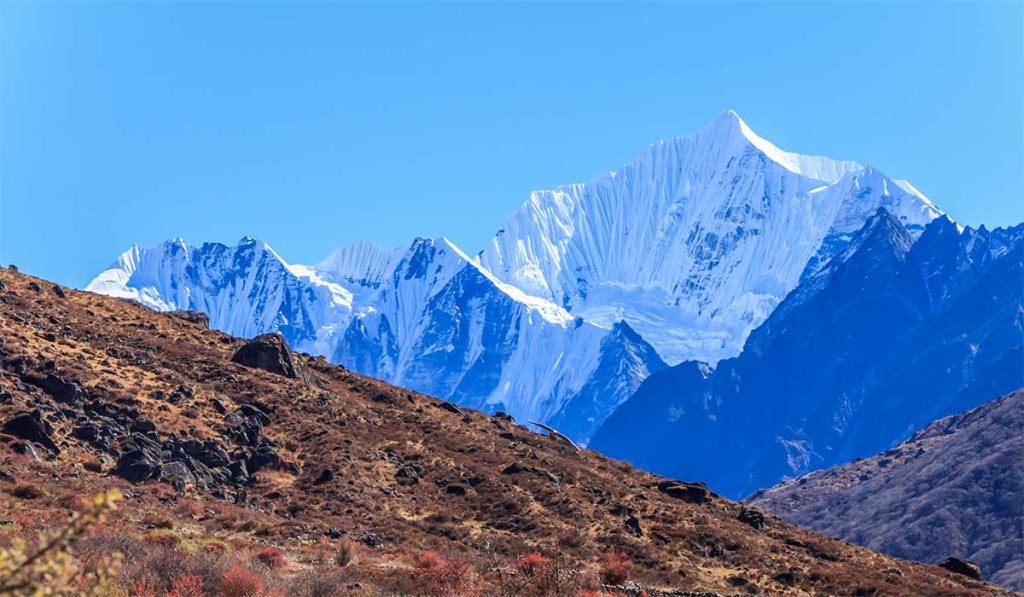
Langtang Trek Weather in September
The weather in the month of September is generally moderate. During the early days, there are chances of rain showers. So, the weather becomes cooler after the rainfall. However, it can be warm during the day when it is sunny.
In the lower elevations, daytime temperatures range between 15°C and 20°C. During the late days of September, the rain decreases and the weather starts to clear up. The climate becomes more stable. Daytime temperature in higher elevations can range around 10°C, while during nighttime it can dip between –2°C and 2°C.
It is important to remember that the weather at higher sections of the region can change quickly. So, you must pack layered clothing to stay warm and cozy. Whether you trek in early or late September, it is essential to monitor the weather regularly. Likewise, you must head out only after confirming that conditions are favorable for a smooth and secure adventure.
Why Choose September for the Langtang Trek?
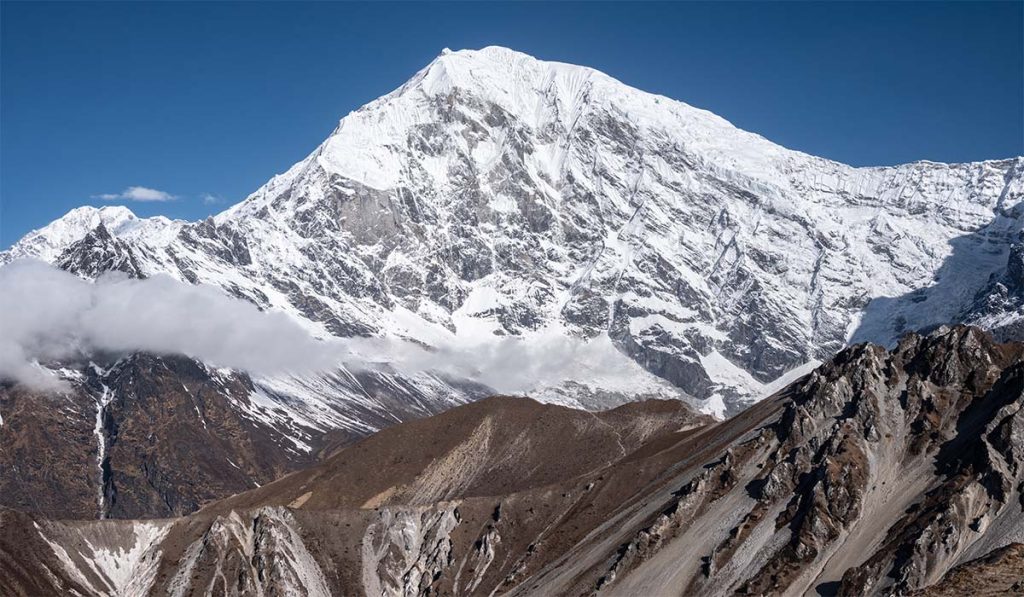
Pleasant Weather
In September, the Langtang region’s weather is pleasant and stable. Even though there is some likelihood of rain during the early days, it is manageable with proper layering, planning and checking the real time updates about trails so that you can head out only when it’s stable. The weather is pleasant most of the time with crisp air making your trek joyful and more engaging.
By late September, there is minimal possibility of rain, and days are usually dry. The climate is more stable and dry, rewarding you with the most favourable trekking conditions. The daytime temperatures and mild and ideal for exploration of the Himalayan terrains. The delightful and refreshing weather at this time is a notable aspect of the trek that attracts many trekkers from around the world.
Mesmerizing Scenery
The scenery in September is simply spectacular. The beautiful and clear views of lush valleys, hills and forests, and river streams can be seen along the way. As you hike through the villages, fields, and forest trails, the stunning sights of distant snowy peaks can be seen in the truly mesmerizing backdrop.
The views of the Himalayan landscapes are crystal clear in this autumn month. The sights from Tserko Ri or Kyanjin Ri are especially spectacular in September in the vivid autumn light. Such views along with rejuvenating atmosphere of this season make the Langtang trek a deeply rewarding experience.
Clear Skies
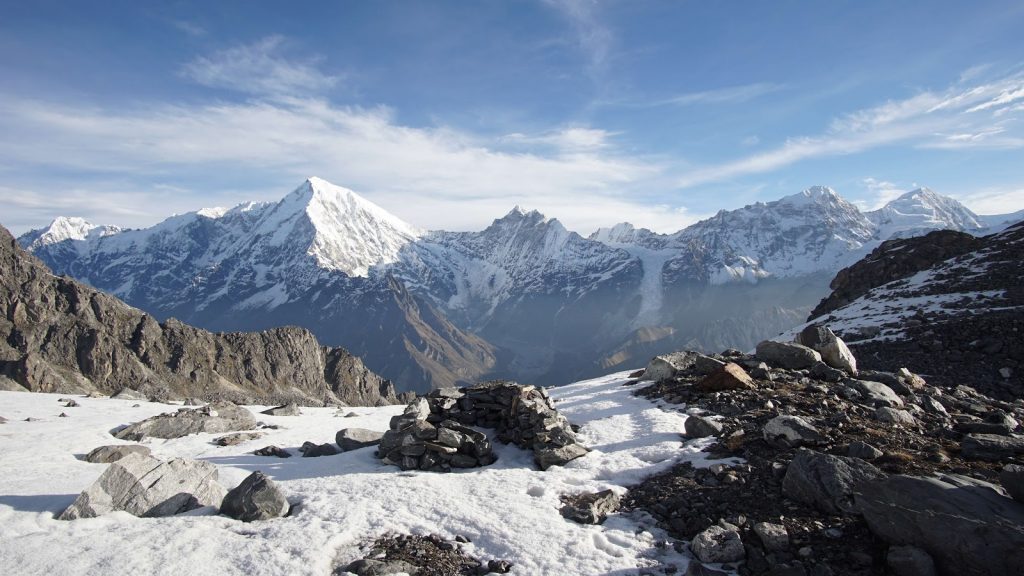
September is one of the ideal months for the Langtang Valley Trek. The weather is usually clear after the monsoon, and the air is fresh and crisp. With less haze and dust, the sights of the mountain are wonderful. You can witness the enchanting Langtang range mountains glowing because of the sunrises.
The sky is mostly clear and cloud free throughout the day. As you walk along the valley and make ascents to Tserko Ri, the distinct and exceptional views of the mountains can be seen under the clear blue skies which is among one of the key reasons to choose September for the Langtang Trek.
Meals and Accommodation
Accommodations
September is an autumn month, which is also the peak month for the Langtang trek. During this month, the teahouses along the Langtang trail get quickly reserved. The tea houses of the Lantang region are operational to accommodate trekkers, but you need to book rooms in advance to avoid last-minute hassle.
These mountain teahouses usually offer clean, well-maintained and cozy rooms, with twin beds, mattresses and warm blankets. The facilities are basic, but the hospitality is still generous, so you can ensure a pleasant stay.
At most teahouse facilities like hot showers and charging are provided, typically at a small additional fee. The warm reception of owners who will take care of your every requirement makes the entire experience even better. After a long day of trekking on the Langtang trails, the teahouses offer the perfect setting to rest and rejuvenate.
Meals
Having meals at the tea houses is one of the best parts of any Himalayan adventure. Most of the teahouses here share communal dining rooms where trekkers sit together and have meals, creating a social and energetic atmosphere.
This first autumn month gets numerous trekkers on the trail. So, these areas are a great time to get to know other travelers and share stories about the trip. The teahouses serve a variety of food items. Dal bhat, a famous Nepali dish, is particularly popular among trekkers. The dish is served warm and is very fulfilling.
Other dishes that are mostly served at the teahouses along the trail are noodle soup, Chowmein, potatoes, vegetable curry, pasta, momo, porridge, Tibetan bread, pancakes, fried or boiled eggs, sandwiches, etc.
The fresh and warm meals amidst the majestic scenery, with exceptional hospitality from the owners, leave you with delightful experiences and are the best parts of the trek that stay in your memory for a long period.
Are Permits Required for the Langtang Trek?
Permits are mandatory while trekking in the Langtang Region. During the trek, you will have to pass through the area of Langtang National Park. So, you need to obtain Langtang National Park Entry Permit to enter this area. The permit is priced at NPR 3,000 (approximately US$23) for foreign nationals and Rs 1500 (US$11) for the SAARC nationals.
This permit revenue is used in conservation efforts. This includes wildlife protection and trail maintenance. Likewise, it is also necessary to regulate tourism activities, ensuring that the park’s delicate ecosystem doesnot get harmed in any way.
The records of the visitors are kept at the checkpoints. This helps authorities locate them when an emergency arises. If you book your trek package with us at Base Camp Adventure, we will arrange the required permit ensuring a hassle-free experience.

Langtang Trek in September Itinerary
- Day 1: Arrival in Kathmandu and Hotel Transfer
- Day 2: Drive to Syabru Besi (1,600 m) from Kathmandu (1,400 m); 6to 7 hours Drive
- Day 3: Trek to Lama Hotel (2,470 m) from Syabru Besi; 5 to 6 hours.
- Day 4: Trek to Langtang Village (3,430 m) from Lama Hotel; 5 to 6 hours.
- Day 5: Trek to Kyanjin Gompa (3,870 m) from Langtang Village; 3 to 4 hours.
- Day 6: Acclimatization day at Kyanjin Gompa and Hike to Tserko Ri (4,984m).
- Day 7: Trek to Lama Hotel (2,470m) from Kyanjin Gompa. 6 to 7 hours.
- Day 8: Trek to Syabru Besi; 5 to 6 hours.
- Day 9: Drive to Kathmandu from Syabru Besi; 7 to 8 hours.
- Day 10:Transfer to the Airport
Packing List for Langtang Trek in September

Clothing
- Moisture wicking base layers
- Quick drying T-shirts
- Durable trekking pants
- Waterproof jacket
- Rain pants and Jackets
- Waterproof Pants
- Insulated down jacket
- Fleece jackets
- Sun hats
- Beanie
- Neck gaiter
- Buff
- Quick Drying Undergarments
- Warm Gloves
Footwear
- Waterproof trekking boots
- Camp shoes
- Trekking Sandals
- Woolen socks
- Quick Drying liner socks
- Gaiters
- A pair of Slippers
Trekking Gears
- Daypack
- Main backpack with rain protection
- Sleeping bag
- Trekking poles
- Headlamp with extra batteries
Hygiene and Health
- Biodegradable soap
- Wet wipes
- Lip balm
- Tissue Paper
- Insect repellent
- Dry bags
- Small first aid kit with necessary medicines
- Water purification tablets
- Hand sanitizer
- Sunscreen
Other Trekking Essentials
- Valid passport
- Nepal visa
- Reusable Water Bottle
- Trekking permits
- Travel insurance
- Cash
- Lightweight snacks
- Power Bank
- Small Notebook
- Trekking Route Map
- Emergency Whistle
Altitude Sickness & Acclimatization Guide for Langtang Valley Trek in September
September is an amazing period to trek in the Langtang region. This month offers pleasant weather and clear trekking paths, especially from the second half of the month. However, since this trek also takes you to high elevations, you have to be mindful of altitude sickness.
The highest point on the Langtang trek is at Tserko Ri (4984m). Similarly, the trek requires you to navigate the high altitude paths where the air becomes thinner. Your body needs time to adapt to the Himalayan environment. As you ascend you need to be careful and monitor your body carefully. Make sure to inform your guide if you notice any of the signs that including:
- Headaches
- Trouble Sleeping
- Nausea
- Breathlessness
- Dizziness
- Feeling Tired
- Appetite Loss
However, if you stay careful and take proper measures, you can prevent altitude sickness on your Langtang Valley Trek. Some precautionary measures that you can take to avoid the risk are:
- Stay hydrated and eat nutritious meals to keep your energy levels up which can also help you adapt to the altitude.
- Talk to your doctor before the trip and ask them if medications about the use of Diamox is suitable for acclimatization.
- Plan rest days into your itinerary as it gives your body time to adapt to the altitude.
- Trek gradually without overexerting yourself especially on steep climbs.
- If your symptoms get worse or doesnot get better, you should head down to a lower zone.
Travel Insurance for Langtang Trek in September
Having travel insurance is highly recommended for the Langtang Trek at any time of the year. Insurance can cover costs like medical bills, helicopter evacuations from mountains during emergencies, and accidents. Likewise, it also provides compensation for weather related trip interruptions, cancellations, or lost baggage.
For the Langtang trek, you can select the insurance that covers for the high-altitude trekking. You need to check the terms and policies before purchasing it. This lets you enjoy the adventure fully without worrying about expenses that may arise because of unexpected events during the trek.
Tips for Langtang Trek in September

Train for the Trek
You should be physically prepared to enjoy the Langtang Trek. The trail offers one of the most stunning scenic vistas. However, walking for such long hours in the diverse terrains can be challenging. From forested trails to walking uphill you will need to adapt to the different elevations. So, training for the trek is essential.
You may do cardio exercises that will help build endurance. The cardiovascular exercises like running, cycling, walking up stairs, and swimming will make your cardiovascular capacity better. These exercises will allow you to walk longer without getting tired easily.
Strength training is also highly recommended. Exercises like squats, lunges, planks, and push-ups will make your legs and core stronger. So, you can smoothly tackle uphill sections. If possible, you may go hiking around nearby hills to get your body used to walking on uneven terrain. It also helps you be familiar with navigating for long hours, which will make you well prepared during the actual trek.
Mental Preparation
Mental preparation is needed for the Langtang trek. Certain sections of the trail can be challenging, and the longer walking hours can tire you out. So, you may set very small day to day objectives. This helps you maintain your morale, and allows you to feel the progress each day.
In addition, you may picturize yourself reaching Kyanjin Ri or Tserko Ri, which will help you stay motivated. Including meditation or simple breathing exercises can help calm your mind during a difficult time.
During the trek, make sure to talk with your teammates or fellow trekkers. This can help lift your mood and prevent the feeling of isolation. Make sure to encourage each other to maintain a positive spirit and motivate each other throughout the trek.
Be Ready for Itinerary Modifications
September is one of the peak trekking times. However, in earlier days, light showers may occur. Besides, weather fluctuations are common at high altitudes. Sometimes your itinerary may need to change because of unexpected events.
So, being flexible is necessary. If your guide suggests a schedule change, then be ready for that. If navigating through the planned route is not possible, then the guides can take you to other alternate places that are as scenic. Having extra days in your schedule when required is wise, as it helps you avoid the risks when conditions are not favourable and stay secure during the journey.
Book Ahead
The peak trekking season begins in September. At this time, the Lantang region starts getting more visitors. In order not to have last-minute troubles, it is best to make a reservation early. If you opt for the Langtang trek package, then the agencies can secure the best available accommodation in this region.
The best teahouses may get reserved early. However, by booking early, the agencies can secure comfortable rooms. Booking ahead also simplifies other logistics. The agency will arrange for transportation, accommodation, food, and permits. This lets you focus on enjoying the unique Himalayan scenery instead of being concerned about arranging every last detail for yourself.
If you book the Langtang Trek package with us here at Base Camp Adventure, we will secure your permits and cozy lodges ahead of time and ensure reliable support so you can enjoy your delightful adventure without worrying about managing the logistics.
Also Read: