

Introduction
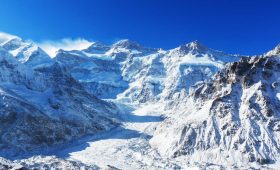
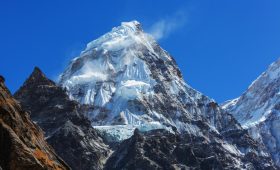
Leading to stunning eastern Nepal, the Kanchenjunga trek is one of the most secluded treks in Nepal. It offersraw wilderness, less commercialization, and more authentic himalayan cultures. The maximum altitude of Kanchenjunga Base Camp, as well as the Kanchenjunga Circuit trek, is 5,143 meters at Pangpema. Therefore, combining the remote trails and the high altitude, it is a physically and mentally demanding trek.

Moreover, it involves 7 to 8 hours of walking per day through remote and rugged paths. A standard trek to Kanchenjunga is about 18 to 23 days. However, the complete length of the journey can vary by a day or two depending on the trekker’s pace. Understanding the challenges on the Kanchenjunga route is extremely important to prevent possible altitude sickness, injuries, exhaustion, and overall safety.
The Kanchenjunga Trek Difficulty

It is considered to be challenging to difficult, on the grading scale, its category is grade 4-5. This classification implies that it is more suitable for people with prior trekking experience and good physical and mental endurance. The primary factor making it tougher than other himalayan treks like Everest and Annapurna is the remoteness of the trail, impacting the infrastructure standards.
Similarly, it requires trekkers to conquer high passes with prolonged exposure to high altitude. Crossing the dense forests, rugged paths, and glacial moraines adds muscle strain. A detailed description of some of the most common difficulty factors of the Kanchenjunga treks is mentioned below.
Remoteness
Due to its remoteness and isolation, this lesser-explored trail offers a distinct teahouse experience compared to the Everest Base Camp trek and the Annapurna trek. As you start trekking through the upper regions, the difference in the quality of services offered becomes very clear. The majority of the teahouses and guesthouses in the Kanchenjunga region provide basic to modest facilities only. A few upgraded amenities are available until Taplejung and Ghunsa. Similarly, the isolation also increases the safety risks. If a trekker falls sick or gets injured, rescue operations are slower. Therefore, it is necessary to be self-reliant for immediate care. Furthermore, you should have experienced guides who are trained to handle emergencies.
Duration of the trek
A complete Kanchenjunga trek is about 18 to 23 days long. Because of the extended duration of the trek, you need to have high body and mind endurance. In contrast to other popular treks like ABC, it demands significantly more time and daily long-distance coverage. To complete more than 2 weeks of trekking, it is important to maintain a uniform pace and acclimatize enough.
High and sustained altitude exposure
Altitude challenges in Kanchenjunga are major contributors to its great difficulty. The highest altitude of the trek is at Pangpema. It is situated 5,143 meters above sea level. Moreover, trekkers spend more than 8 to 10 days above 3,500 meters. So, the risk of altitude sickness is high.
Furthermore, trekking at such a high altitude for an extended period could risk more severe conditions like High-Altitude Pulmonary Edema (HAPE) or High-Altitude Cerebral Edema (HACE). So, acclimatization is necessary to adjust to the thinner air, produce more blood cells, and improve oxygen delivery.
Varying landscapes/trails
Trekkers encounter a combination of dense forests and river valleys in the lower regions. Similarly, they cross multiple suspension bridges and steep ascents and descents. Continuously walking through stone staircases, especially in lowlands, adds to knee and quad fatigue.
The mid-hill region consists of jungle paths and steep slopes that tend to be more humid and muddy. Also, watch out for the bugs in warm weather and leeches in the rainy season. Thereafter, the route shifts to slanted paths above river gorges and carves into various cliff faces. The high-alpine river area features rocky river terraces, boulders, and irregular rocky paths.
Above 4,000 meters, the terrain shifts to rocky slopes, glacial valleys, and moraines. Walking through high passes and snow-covered paths makes it difficult to maintain balance. Around the open ridgelines, the wind is cold and strong. In conclusion, the rapidly varying Kanchenjunga landscapes mean each day brings a new challenge.
Weather challenges

The eastern part of Nepal experiences more rainfall and moisture because of the geographical proximity to the Bay of Bengal. So, the Kanchenjunga trails are more prone to slippery paths and dark clouds, even in the dry seasons. These conditions make the trekking route prone to muddy and slippery sections. Especially in the forested and shaded areas. Moreover, regardless of the season, mountain weather is unpredictable and changes very swiftly. In just a few hours, a clear sky can change to dark clouds, wind, and snowfall. So, always have good information on changing weather conditions and possibilities of snowfall or rain.
Seasonal Difficulty
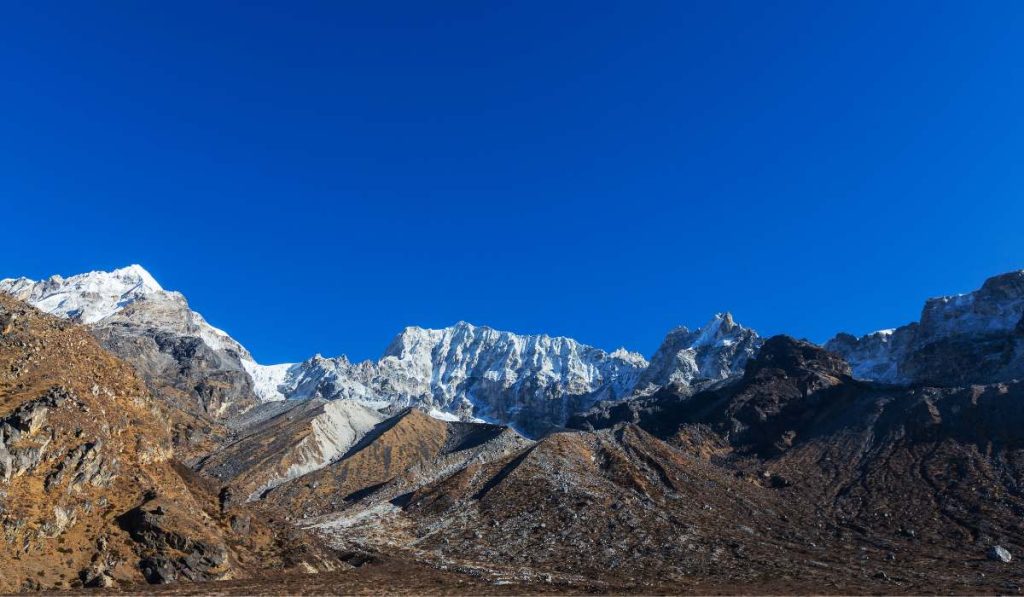
Kanchenjunga trek’s difficulty differs a lot based on the season you pick. The best time for trekking is during spring, and the winter monsoon is less favorable.
Spring season
- Brings stable weather conditions and moderate temperatures. Which makes trekking more manageable.
- The Kanchenjunga trekking route during this time is firm and dry.
- You get to see the vibrant rhododendron forests flourishing.
- Clear sky and excellent long-distance visibility.
- Hot temperatures in the lower areas can cause tiredness.
- More crowds compared to the off-trekking seasons.
Monsoon/rainy season
- Lush green vegetation and landscape.
- The weather becomes crisp and clear once the rain stops.
- Mild temperatures are best suited for walking long, continuous hours.
- Trails become slippery and muddy, which increases the chances of falling and getting injured.
- Chances of landslides around Ghunsa, Kambachen, and Lhonak.
- Fewer crowds, providing a chance for a more peaceful and personal experience
- Potential rockfall around Gyapla, Ghunsa, and Kambachen.
- Dark clouds can cover the panoramic views.
Autumn season
- Sharp mountain sight, bright blue sky, and a clear, far-sighted view.
- Dry and stable weather.
- Sturdy trails that make trekking safe.
- Increased traffic on the trail and teahouse may limit the accommodation selection.
- Shorter daylight at this time reduces the walking hours per day.
Winter season
- On the no-snowfall days, the sky is clear, offering the most majestic himalayan views.
- Heavy snowfall increases technical difficulty.
- Snow accumulation can block the trekking route temporarily (they get cleared pretty fast by the guide or the locals).
- The temperature in the upper region is extremely low, increasing the risk of frostbite and hypothermia. So, wear warm clothes and proper winter gear.
- Some of the high passes can be closed after heavy snowfall.
- More tranquil experience.
Required preparations
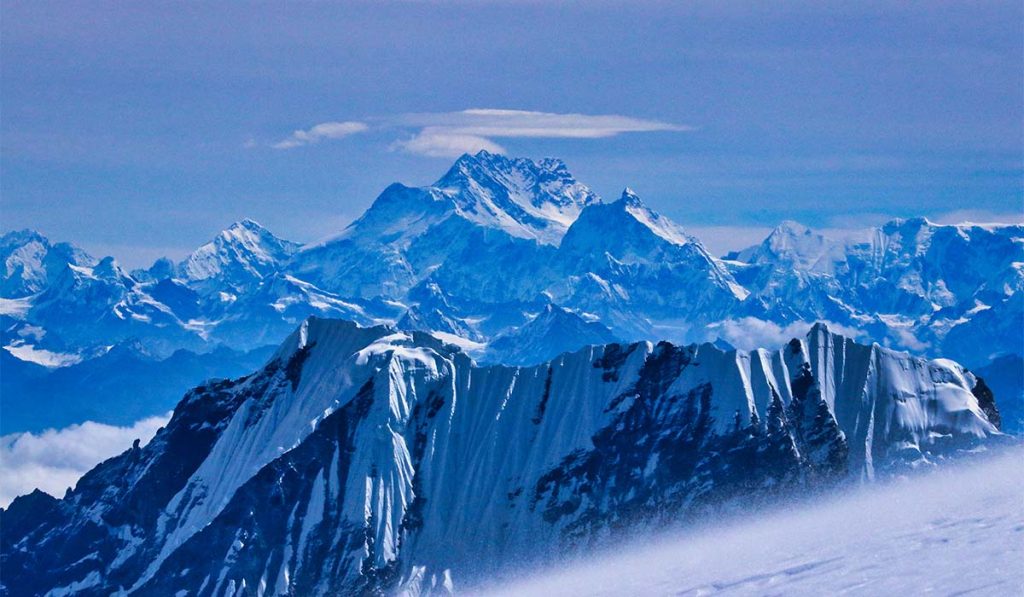
The Kanchenjunga trek needs trekkers to have strong physical and mental fitness. Trekkers should start training a few months before the actual trek. This helps to conquer the rugged trails in the high altitudes of Kanchenjunga.
Leg and core strength
The trail consists of significant ascent and descent. Therefore, trekkers should practice exercises that improve leg strength and core stability. To achieve this, squats, lunges, and step-ups are particularly effective. Furthermore, go on short hikes to develop good endurance, balance, and familiarity with uneven trails.
Cardiovascular health
Treks like Kanchenjunga pose a significant risk to individuals with major heart disease, which high altitude and physical strain can trigger. So, get checked up and consult your doctor before opting for the trek. People without cardiovascular health issues should also engage in activities like running, jogging, and swimming. This improves the ability to maintain a steady trekking pace without feeling breathless and provides better oxygen absorption.
Practice breathing exercises
At upper regions where the oxygen level is low and the atmosphere is thin, trekkers can feel shortness of breath. This risks the chances of severe altitude sickness. Therefore, it is important to engage in breathing exercises. The ideal time to incorporate these practices is while running or during short hiking sessions. They help improve lung capacity, oxygen efficiency, and overall endurance.
Food and drink
A lot of people don’t realize how important it is to eat fresh, healthy food. Eating foods that are good for you and easy to digest gives you energy for long walks. When you’re at a high altitude, your body also loses more fluid than usual. This makes muscle fatigue worse and increases the risk of altitude sickness. Furthermore, it adds to the risk of altitude sickness and worsens muscle fatigue. So, stay well-hydrated on the trail.
Avoid greasy food and stick to carbohydrate and fiber-enriched foods, as they are easy to digest. Similarly, carry your own water bottle and purification tablets. Do not consume water from random taps or streams without purifying or filtering. This can result in stomach problems and other waterborne diseases.
Gear essential for the trek

Proper gear and equipment are essential for completing the Kanchenjunga trek safely and comfortably. Keeping in mind the remoteness, altitude, and terrain of the trek, here is a list of essentials.
Clothes
- An insulating inner layer that keeps your body heat from escaping
- Water-resistant outer jackets while trekking in the higher regions to stay guarded in wet and humid conditions.
- Comfortable trekking pants
- Hat, buff, and gloves to keep your head, face, and hands warm, respectively.
- Go for wool or synthetic trekking shoes, as they prevent possible blisters
Footwear
- Sturdy and properly fitted trekking shoes
- A pair of sandals for when you are at the teahouse.
- You may benefit from microspikes to provide that extra grip on icy paths.
Backpack, health and safety
- Around 25L to 25L bag with several pockets and a rain cover
- Trekking poles or a stick for that extra support to stay stable on uneven trails
- A first aid box with altitude sickness tablets (confirm with your doctor first), bandages, and pain relief sprays
- Mosquito or bug repellent
- Sun protection lotion, lip balm, and sunglasses to protect your skin from direct exposure to harsh UV rays
- Water bottle and purification tablets
- Headlamp to navigate in the dark (usually on days that require an early morning trek)
- Power bank, adapter, and charger
- Toiletries, as they will not be available in teahouses
- Maps, a GPS device, or any navigation tools
- Quick snacks that keep you energized, like nuts and chocolates
Hiring guide and porter
The Kanchenjunga trek falls in a restricted area of Nepal, so it is not legally possible to complete it without a licensed guide. Also, more than for comfort, licensed guides are a safety requirement for remote treks. First and foremost, as a less commercialized and more remote trek, the routes are not as well-marked as popular destinations. So, they help with trail navigation and prevent you from getting lost. Likewise, local guides have good knowledge of the possibilities of landslides and snowfall based on the environmental conditions. Therefore, it helps to prevent you from getting caught in such natural hazards.
The guides handle all the complex paperwork to obtain the Kanchenjunga trek permits. For safety purposes, they receive training to spot early signs of altitude discomfort. They also provide immediate first aid care and coordinate with emergency helicopter evacuation as needed.
Likewise, porters carry your heavy luggage. With less weight, trekkers can focus on panoramic views and walk faster. A typical cost for hiring a licensed guide is about $15 to $25 per day, and for a porter, it is $10 to $20 per day.
Difficulty Comparison Between Three Classic Kanchenjunga Treks

There are three major treks in the Kanchenjunga region, each with slightly different physical demands and technical difficulties. They vary on factors such as duration, terrain, and the amount of time in the remote parts.
Kanchenjunga south base camp trek
It is moderate to difficult. Compared to the other two treks, the route is shorter, and it is the lowest in altitude. The Oktang viewpoint is the highest landmark and sits 4,730 meters above sea level. Other than that, the trek still goes through rugged terrain and steep ascents and descents and has limited luxury.
Kanchenjunga north base camp trek
Trekking to the northern part takes you to a higher elevation than the southern base camp. Trekkers reach an altitude of 5,143 meters at Pangpema. Likewise, there are a few more rougher and longer trekking days. Having to spend extended time above the altitude of 4,000 meters increases the risk of AMS slightly. Therefore, the north base camp overall is a bit more challenging than the southern base camp trek.
Kanchenjunga circuit trek
This circuit trek is a combination of both of the Kanchenjunga base camp treks. Therefore, it is the longest, most remote, and physically demanding. Proper acclimatization and excellent physical fitness are extremely crucial for the Kanchenjunga Circuit trek.
In conclusion, the trek to the southern base camp is the least demanding of the three. The northern base camp trek lies in the middle, and the Kanchenjunga circuit trek is the most challenging of them all.
Common Questions
Is the Kanchenjunga Trek ideal for beginners?
This trek is better suited for skilled trekkers because of the long duration and high altitude. However, beginners are known to complete it with proper physical preparation and a local guide.
What are the main challenges during the Kanchenjunga journey?
Kanchenjunga trek’s high altitude and prolonged daily walks are the primary factors of difficulty. Moreover, limited access to health infrastructures requires trekkers to be extra cautious on the trail.
How many hours do trekkers walk each day?
You walk about 7 to 8 hours per day on average. However, it can change based on your pace and the condition of the trail.
Is altitude sickness a matter of concern in the Kanchenjunga trek?
Yes, trekkers can experience mild as well as severe symptoms of altitude sickness during the trek. The mixture of high elevation and isolation makes the chances of AMS significantly higher than in Everest and Annapurna treks.
Do I have to hire a guide?
Yes, you do. The Kanchenjunga trek requires trekkers to walk through a restricted area. So, trekkers need to have a licensed guide. Moreover, you cannot obtain trek permits if you do not go through an authorized tour operator/agency.
How difficult is the Kanchenjunga trek?
It is considered difficult. Unlike the popular destinations, it has limited medical infrastructure, remote trails, and slow rescue operations, increasing physical as well as mental challenges.
Is the trek suitable for photography?
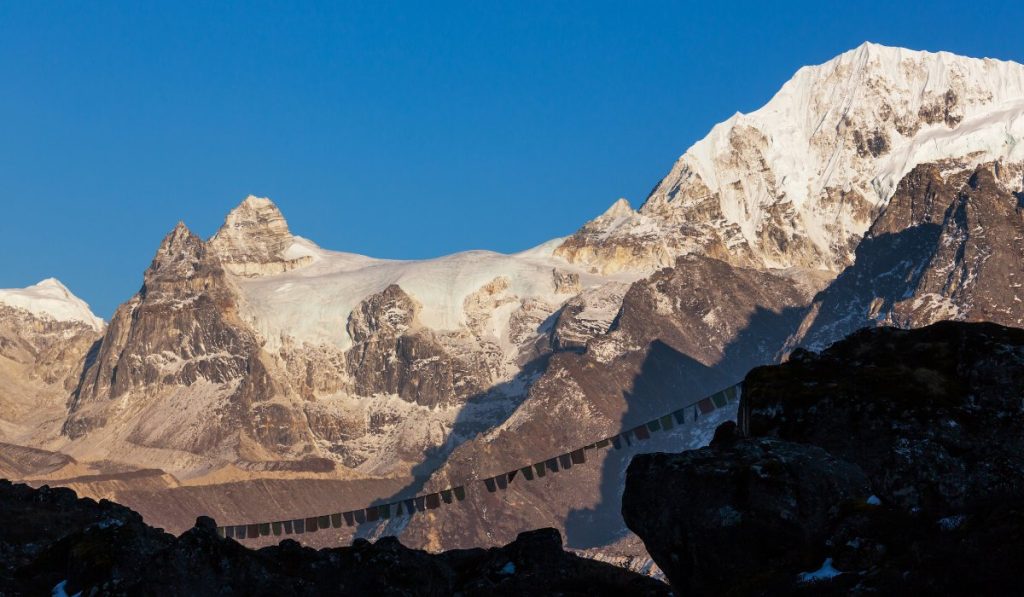
Yes, it is rewarding for photography enthusiasts and professional photographers to capture mountain peaks, glaciers, and ethnic villages. Moreover, it offers an artistic shooting opportunity of the colorful chortens, prayer flags, and other cultural symbols on the trail.
What is the best season for the trek?
The best time for the Kanchenjunga trek is spring (March to May) and autumn (September to November). More than just clear skies and stunning views, it is also the safest. This is due to the dry and stable conditions of the trails. Furthermore, there are fewer chances of natural hazards like landslides and floods.
Is solo trekking allowed in Kanchenjunga?
No, independent trekkers are not allowed, as the region lies in a restricted area. So, you have to be in a group of two and need a licensed guide. You also have to go through a registered trekking and touring agency.
Can weather conditions affect the trek?
Yes. It can change the standard itinerary a bit. Weather delays on the trail often mean spending the night at places that are not the actual planned stops. So, this adds an extra day or two to the overall trek. So, trekkers should always have a few buffer days to accommodate blocked trails and harsh weather changes.
What permits are required for Kanchenjunga?
The two mandatory ones are a Restricted Area permit and a Kanchenjunga Conservation Area permit. They ensure the safety of trekkers as well as the environment and wildlife.
Are emergency rescue services available?
Yes, they are. However, the remoteness of the region can cause a slight delay. Moreover, helicopter evacuation can face some issues due to the mountain weather. Nonetheless, rescue operations will be performed. In the meantime, guides provide you with immediate medical care to prevent any illness and injuries from getting worse.
What makes the Kanchenjunga trekking different from the Annapurna and Everest?
It is far more remote than the other two treks. While they have more of a commercialized trails that focuses on the comfort of the trekkers, Kanchenjunga is about the raw mountain experience with basic accommodation.
Is it worth all the hassle?
Yes, every bit of your hard work pays off. You get to experience the untouched himalayan landscapes that give a sense of exploration more than tourism. Offering solitude, trekkers get to experience the tranquil routes and viewpoints. Lastly, overcoming all the difficulties also makes the journey feel like an accomplishment in itself.
Can I get clean drinking water during the trek?
Teahouses provide clean and purified water. On the route, however, you may have to drink water from natural resources or a public tap. Such water is not the safest or cleanest option, so either purify or filter it before drinking.