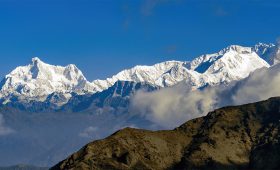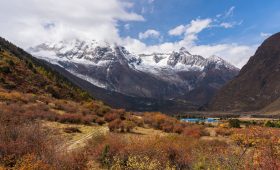


Trekking the Kanchenjunga region in March marks the beginning of the spring trekking season in the Himalayas, making it an excellent time to experience this remote and majestic route. March is the transition month when winter cold fades away and spring warmth sets in. The month gradually brings in clear skies, greater visibility and better trail conditions.
Early in the month, some of the higher parts may still be snowed in lightly. However, most parts of the trail are easily accessible as the weather starts to stabilize and the heat rises. March is not yet the peak month in spring, thus giving you an early-season experience of the mountains’ freshness, devoid of the large crowds that come in April and May. For those who want both adventure in a less crowded Himalayan experience, March is just the right month.
March trekkers can expect cool, pleasant temperatures, crisp morning air, and steady warming throughout the day. The scenery would slowly change as the first signs of spring come. Rhododendrons start blooming in the lower forests, rivers have clear waters and more flow, and the visibility is perfect. You will have the view of the Kanchenjunga massif so sharp that it feels only a few glances away.

Although the paths are not full, tea houses still open progressively after winter, thus providing decent food and accommodation options. The weather is stable, with only a little chance of afternoon clouds and winds. Overall, the atmosphere is cleaner, quieter, and more pristine, giving you a feel that you have stepped into the Himalayas when the charming spring season is waking up.
For those trekkers who want stunning views, bearable weather and a peaceful experience in one of Nepal’s most deserted areas, March is really a very good time to trek the Kanchenjunga.
Kanchenjunga Trek in March – Temperature Details

The Kanchenjunga region experiences the transition from winter to early spring in March. It marks the time when the temperatures start to warm up slowly. Though the days are warm and comfortable, it is still recommended to be prepared for cold nights and mornings.
In lower areas, the daytime temperature ranges between 10 and 18 degrees Celsius and can go down to 2 to 6 degrees Celsius at night. In higher valleys, the day heat is usually around 5 to 12 degrees Celsius. While at night, it can dip to -3 to -6 degrees Celsius, especially at the earlier part of the month.
The temperatures are at their lowest above 4,500 m, with a maximum of 0 to 5 degrees Celsius during the day and a minimum of -8 degrees Celsius or even less, depending on wind exposure and lingering winter chill.
March brings about the clear and crisp air which contributes the most to the stability and predictability of the temperatures compared to winter’s extremes. The sun in early spring feels pleasantly warm which turns daytime hiking into a pleasant experience even at high altitudes.
However, wind chill, mostly above the tree line, can make it feel like the temperature is a few degrees colder than the actual one. Higher parts of the path where winter snow may be present start to melt as the sun gets stronger every day. This contributes to warmer conditions at ground level by the end of the month.
In general, March presents a cold-to-cool temperature that is easy and comfortable to get along with. It is thus the right time for those who love to hike in mild heat, unlike sweltering summer and freezing winter.
Kanchenjunga Trek in March – Weather Conditions
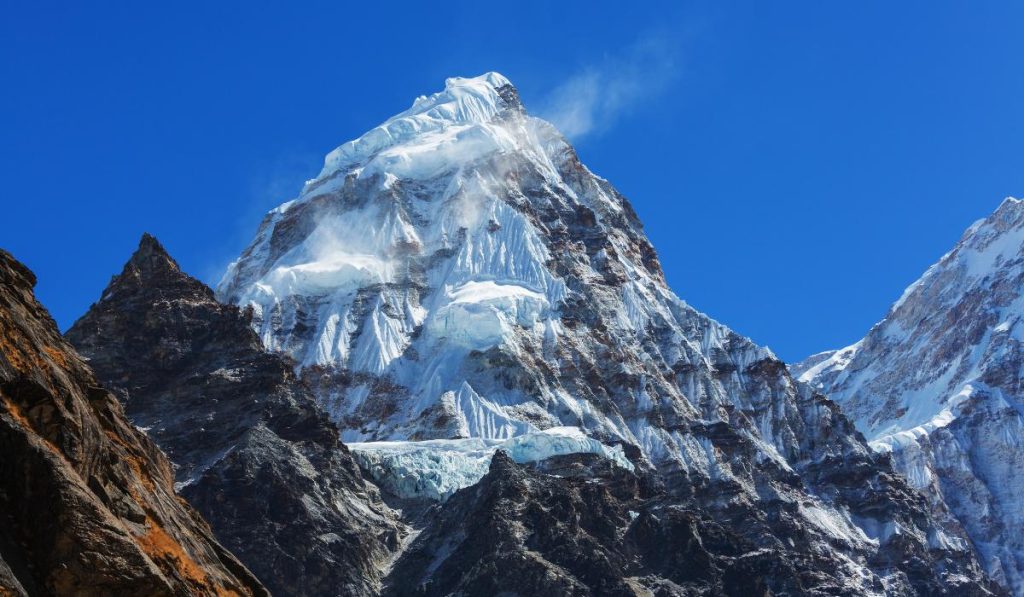
The weather on the Kanchenjunga Trek in March is indicative of the transition from winter’s severity to the milder and more stable conditions of early spring. Cool to cold would be the overall climate of the trek. The daytime trekking hours would be fresh, mild, and comfortable in general.
March is clear with crisp air and bright sunshine giving the mountains a sharp and more vibrant appearance. The skies remain mostly cloud free with great visibility of the Kanchenjunga range. While the higher regions might still have a little bit of snow, especially during the first half of the month, the situation improves as time goes on. It is possible that the wind in exposed places can make you feel a bit colder, but the weather is stable and predictable compared to the previous months.
The consistency and reliability of the March weather is what make this early-season month preferred for trekking. There is hardly any rain, and storms are rare, so you can enjoy full days on the trail without major disruption.
The lower valleys start to show the first signs of spring with blooming forests, clean trails and calm winds. The alpine zones may be a bit crisp but without the intense cold of winter. It is just the right moment for trekking as the dry air, gentle breezes and ever warming days keep the climate from being harsh.
All in all, March presents a steady, pleasant and dry weather condition. Hence, it is a good time to take a trek to Kanchenjunga with confidence and comfort.
Kanchenjunga Trekking Route in March
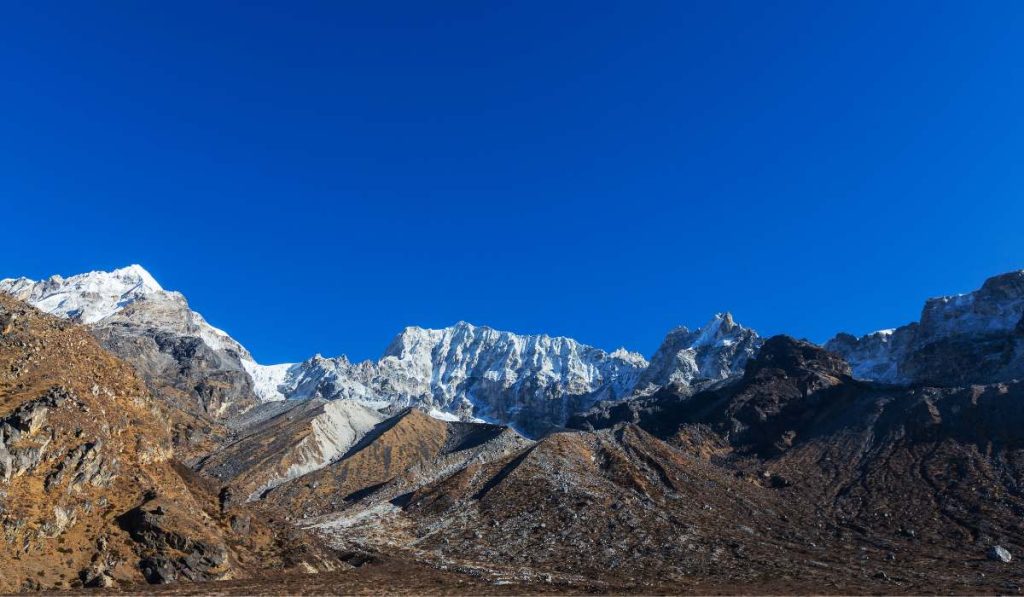
During March, the Kanchenjunga trekking routes become more and more accessible as the winter begins to retreat. The lower part of the trekking route which goes through subtropical forests, terraced fields, and typical Limbu and Rai settlements, is normally clear and easy to navigate.
Walking through rhododendron woods is picturesque as early flowers come out and the land gets freshened up after the dry winter. The changing weather from late winter to early spring means the trails are less icy, the ground is more stable and trail marking is better. Still, as it is the first month of spring, you should be aware of some icy patches or slushy snow in shaded areas.
Trails beyond the tree line may still have some lingering winter snow but it is usually very little and melts as the month goes on. The trail sections leading to North Base Camp and South Base Camp become more trekking friendly as they get more stable than in winter.
By March’s end, most of the Kanchenjunga trail is perfect for trekking. The tea houses along the trail open up more, thus making the logistics easier and the overnight stays more reliable. The trail is still quiet and peaceful, as not many trekkers are there in comparison to the peak month of April. This offers a wilderness experience that is both safe and easy to access.
In general, the route is open and easy and has the wild, unspoiled character that Kanchenjunga offers as one of Nepal’s most genuine off-the-beaten-path trekking destinations.
Kanchenjunga Trek in March – Trekkers Traffic
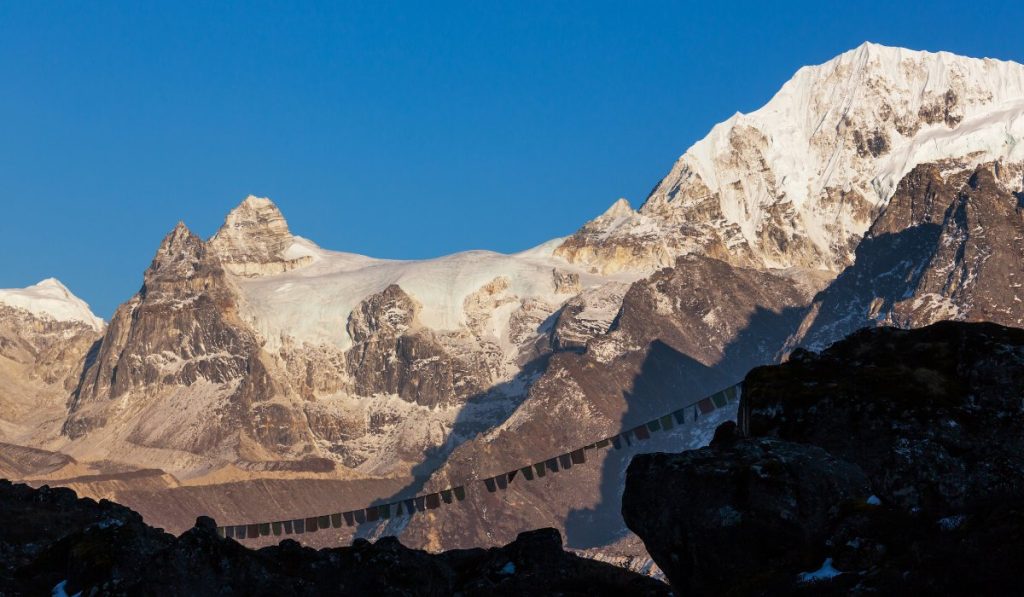
Kanchenjunga trek in March sees relatively few people walking the trails making it an opportune time for experiencing the tranquillity and immersion. March is the first month of the spring trekking season and it does not yet see the intense flows of hikers that usually arrive later in April and May. It implies that you will have long portions of the trail to yourself which gives a feeling of solitude that is rare in more travelled routes.
While the teahouses reopen after the winter break, the occupancy is still quite low. This means you can enjoy flexible schedules, peaceful overnight stays and have meaningful interaction with the hosts. A manageable number of trekkers in the area gives the landscape an unspoiled look, thus enhancing the overall wilderness feel of the journey.
The steady number of trekkers in March ensures that the route is lively but not too crowded. It allows you to bypass the peak season rush but still enjoy the good weather. The lower number of tourists also means less competition for the best viewpoints and teahouse rooms which will ultimately allow you to enjoy your trip leisurely and without haste.
March gives a unique combination of open paths, pleasant temperatures, available services, and fewer visitors. Thus, it has become one of the best months to see the Kanchenjunga region at its most tranquil and untouched state.
Kanchenjunga Trek in March – Natural Scenery and Landscapes

In March, the nature along the Kanchenjunga Trek starts to change as winter steps back gradually and spring sets in. The lower valleys, which have been dry and silent during the cold months, awaken in a very gentle way. The forests of rhododendron, magnolia, and oak bud softly adding splashes of color along the trekking route. The color will become more vibrant near the end of the month.
The rivers and waterfalls are much clearer and stronger due to the melting of the snow, adding sound and movement to the landscape. The air is crisp and clean, thereby allowing the forests, terraced fields and hillside villages to have a fresh, polished look.
The visibility in March is great, revealing the uninterrupted views of deep valleys, dense woodlands and rugged ridgelines that are the main features of the wild and remote character of the Kanchenjunga region.
The view is even more breathtaking as the magnificent peaks of the Kanchenjunga massif rise sharply against the bright and clear early-spring sky. The snow still lingers on the high meadows, glacial moraines, and rocky passes, thus creating a dramatic scene of the upper part landscape.
The fewer hikers on the trail give the place a feel of being untouched, peaceful, and incredibly immaculate. The pure mountain air adds to the depth and sharpness of the views, thus making the month of March one of the best times for photographers who want clear, detailed images of the Himalayas.
The mingling of the early flowering forests below and the snow covered peaks above forms a varied and changing landscape that provides you with both visual delight and profound experience.
Kanchenjunga Trek in March – Wildlife and Flora

March marks the beginning of the awakening of the Kanchenjunga Conservation Area after the winter. You will have a fascinating glimpse into its diverse wildlife and flora of the region for the rest of the month.
The forests in the lower and middle elevations, which had been silent and inactive during the winter months, gradually come back to life. The flowering trees like rhododendrons and magnolias and wild primulas are the first ones to bud and subtly color the trekking paths. The forests of oak, pine, and bamboo become livelier by the return of birds and the emergence of small mammals from their winter resting spots.
Thus, you can see Himalayan monal, kalij pheasant, and many other kinds of laughingthrushes moving around in the tree canopy. This makes the early season hike a delight, both visually and audibly.
As you go up to higher altitudes, meadows and high passes are still covered with snow but the rhododendron shrubs, mosses and lichens start to show through the melting snow. This indicates the gradual onset of spring at the higher altitudes.
Wildlife viewing is rare here but the occasional sights of musk deer, red panda, and Himalayan tahr are possible, particularly in the low activity or little visited spots. March is still a less crowded time for the region, hence the wildlife is very active and observable.
Overall, trekking in March lets you see the Kanchenjunga region waking up from winter with its colorful plants and the increasing number of animals.
Accommodation and Teahouse Availability in March During the Kanchenjunga Trek Nepal
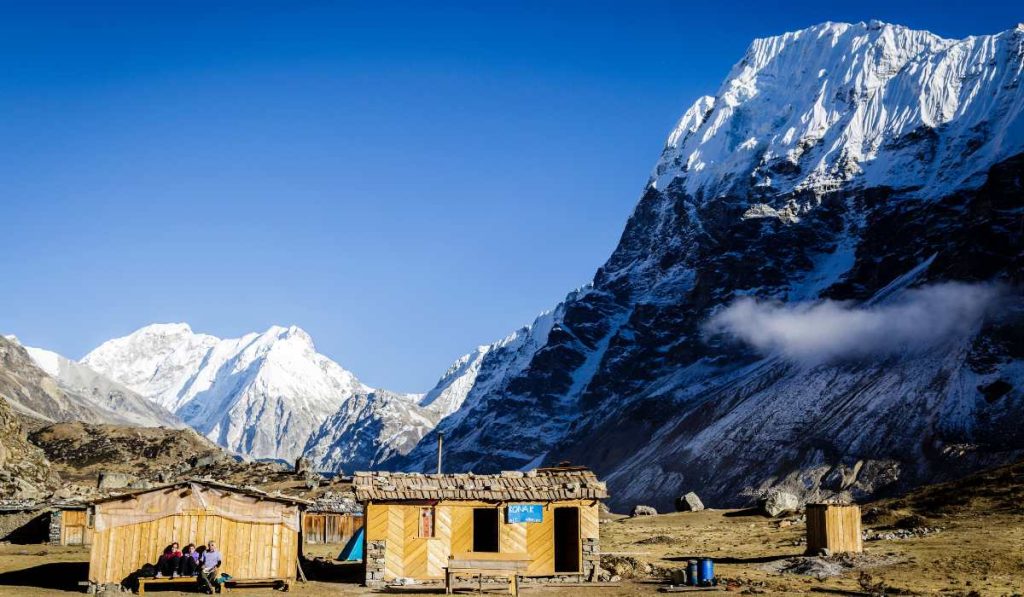
In March, there is a surge in the availability of accommodations and teahouses for the Kanchenjunga Trek. But they are still not as crowded or fully booked like in the peak of the spring months. The re-opening of lodges and teahouses along the trekking route allows you to pick from a good selection of places to sleep for the night.
The lower and mid-altitude villages have significantly better services. You can expect a warm meal with hot drinks available, and simple rooms ready for occupancy. Since there are very few people around, there is less competition for beds. This increases the likelihood of you finding a decent room without needing to reserve a long time ahead.
Teahouses become scarcer in the upper, more secluded areas, though most are operational and stocked by mid-March. The food menus may not be as extensive as at the peak of the season (April), but basic Nepali meals, soups, and hot beverages are normally available.
In general, March sees enough open teahouses for safe and enjoyable trekking, but the number of people is still less compared to the peak springtime. This month is a perfect choice for trekkers who want both easy access and a more tranquil and serene Himalayan experience.
Still, it is recommended to reserve your accommodation beforehand, particularly at famous waypoints, to have the most seamless and stress-free trip through the Kanchenjunga area.
What to Pack for a March Kanchenjunga Trek?

The Kanchenjunga Trek in March requires thoughtful packing for different conditions from cold mornings, mild days and chilly nights to ending up with snow at higher places.
Clothing
- Base layers (thermal tops and bottoms)
- Mid-layers (fleece jackets or wool sweaters)
- Outer layers (waterproof and windproof jackets and pants)
- A down or synthetic jacket for very cold mornings, nights
- Soft, airy and quickly drying trekking pants and shorts
- Gloves, hats, and scarves
- Wool or synthetic trekking socks
- A lightweight poncho or rain jacket
Footwear
- Heavy-duty, watertight, and soft trekking boots that provide excellent support for the ankles.
- Camp shoes/sandals for relaxing evenings at the guesthouses.
Gear and Accessories
- Rain cover for the backpack (40-50L).
- Sleeping bag suitable for sub-zero temperatures for nights in high altitude.Trekking poles
- Sunglasses and sunscreen
- Water bottles or hydration system
- Water purification tablets or a filter
- Headlamp or flashlight plus extra batteries.
- A basic first aid kit
Other Essentials
- Light snacks consisting of energy bars, nuts and chocolates.
- Camera and binoculars
- Toiletries
- Travel documents
- Permits
Considerations for Making Your Kanchenjunga Trek in March More Enriching
- Start your day early to view the mountains with no clouds at all.
- Slow down to appreciate the seasonal changes in flora and fauna.
- Interact with the local Limbu and Rai communities and know about their customs, culture and traditions.
- Have a taste of the local food at the teahouses as a way of cultural immersion.
- Go off the main paths and discover the side trails, and see the lesser-known viewpoints for getting the most out of your trip.
- Be adaptable with your itinerary to decide the journey based on the conditions that the trail or weather offers.
- It would be great if you engaged in the daily activities of the villagers to get a better understanding of the local community’s way of living.
- It is better to have a journal or sketchbook with you to record your experiences and thoughts.
- Be prepared for icy places or even snow on the ground to enjoy the mountain environment safely.
- If there are any local festivals or seasonal rituals that coincide with your trek, observe them.
- Take time to stop and enjoy the wilderness and let the tranquility of March’s less crowded trails embrace you.
Why Choose Base Camp Adventure for Your March Trek?
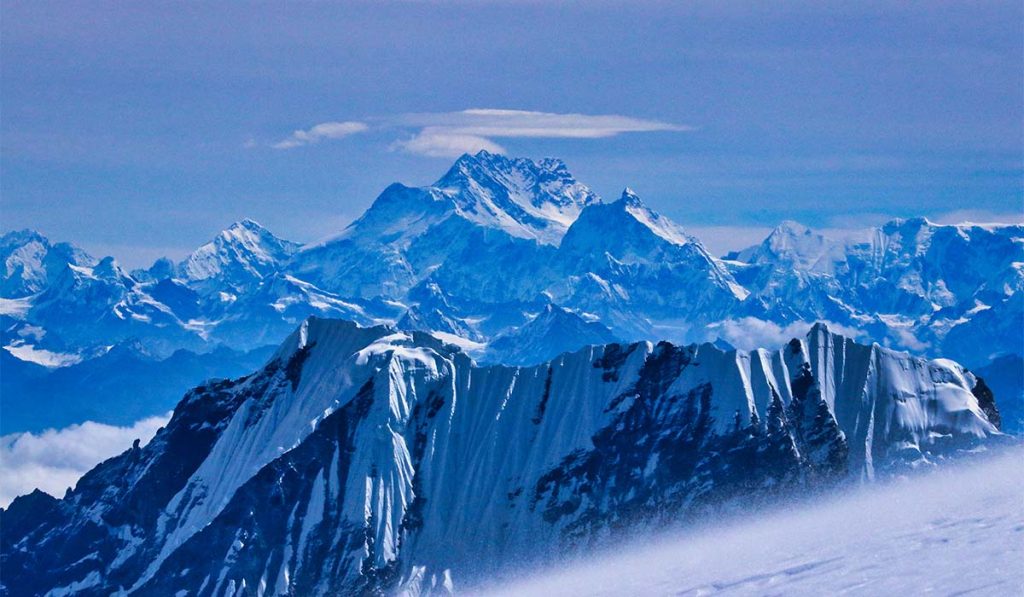
Base Camp Adventure is the right choice for your March Kanchenjunga trek, as we guarantee the overall experience to be safe, perfectly organized and deeply exploratory. You will be backed up by the extensive local knowledge, skilled guides, and an understanding of seasonal trail conditions. Hence, they will be able to traverse the remote Kanchenjunga region with complete confidence at its transitioning phase.
Our expert team ensures that you will enjoy the seasonal wonders while avoiding the logistical challenges such as teahouse availability and high-altitude route planning. Moreover, Base Camp Adventure emphasizes environmentally friendly and responsible trekking techniques. Our professional service with flexible itineraries makes your trip a full-fledged Himalayan expedition rather than a hike through the mountains.
Also Read: