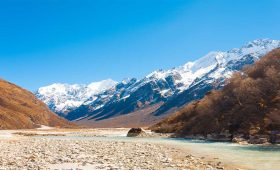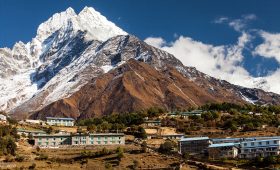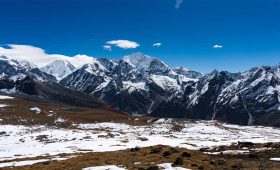


January trekking in Nepal is a wonderful and rewarding experience especially for those trekkers who enjoy serene landscapes and crisp mountain air. The Himalayan weather in these months is generally clear with cloud free blue skies. This presents trekkers with uninterrupted, wide-open vistas of snow-capped summits.
This dry month brings stable and predictable conditions with clean trails that are less slippery and safer. Since it is an off season winter trek, there are often fewer other trekkers, giving you a unique chance to be close with nature and the peace of the mountains.
January trekking in the Himalayas can be challenging as well as invigorating. Temperatures are possibly cold but bearable with good layering and gear. Fresh snows on high passes add beauty to the view but require sure-footedness and cautious travel.
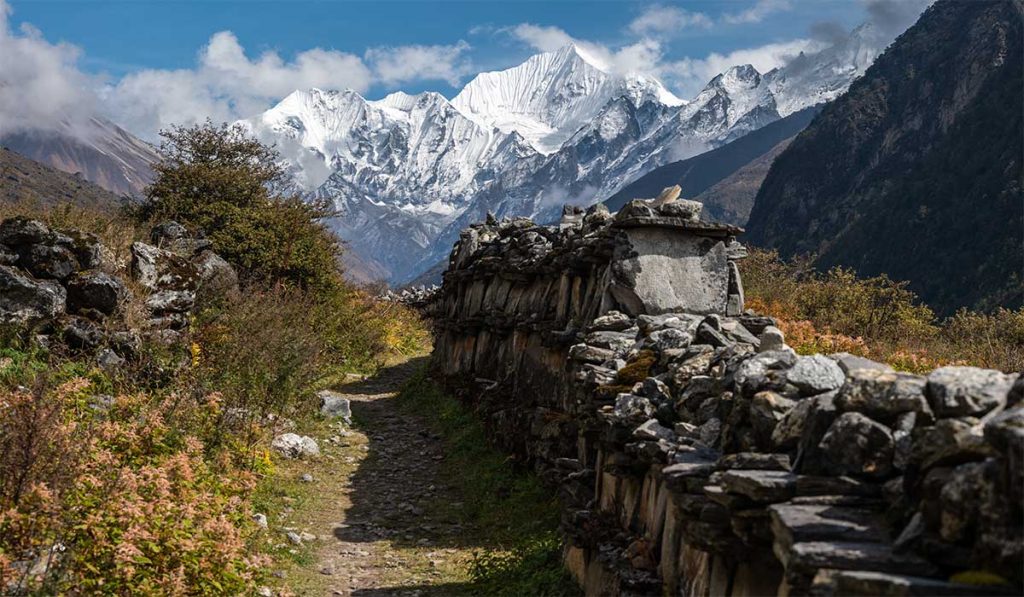
On the other hand, the dry and clear atmosphere presents ideal photogenic landscapes, wildlife observation and deep immersion in mountain towns. The tranquility of the trails and villages during this off-season also translates to a more personal interaction with locals.
In general, January is a suitable month for trekking in Nepal for those looking for seclusion, wonderful visibility and an actual winter experience. It may not suit those who prefer warmer weather or busier trails, but it’s ideal for experienced trekkers who appreciate crisp weather and clear mountain views.
Best Trekking in Nepal in January
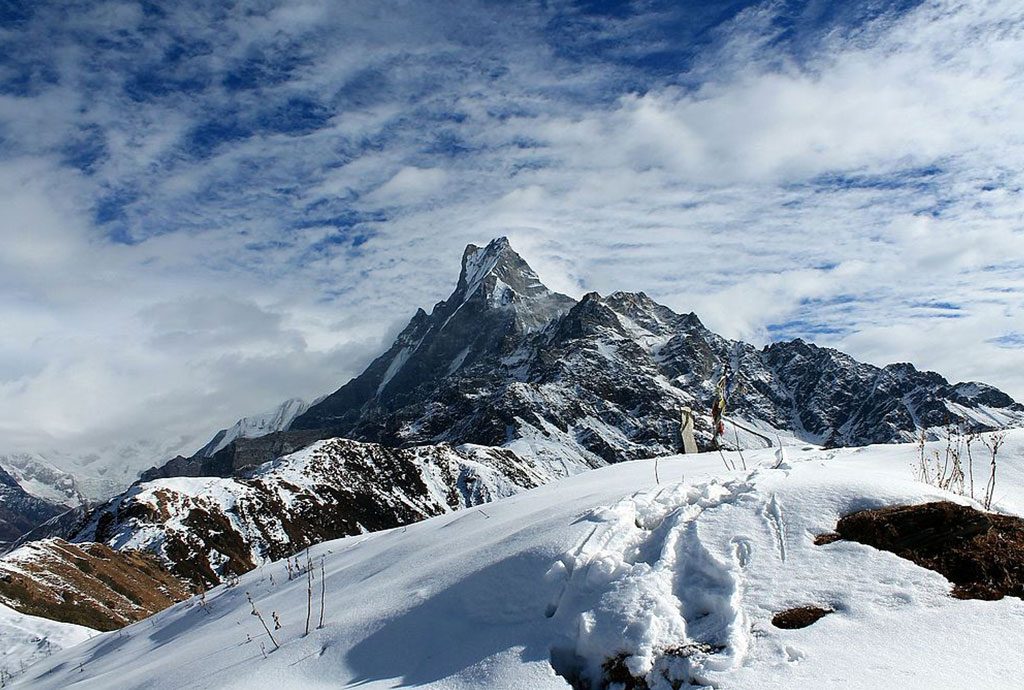
Mardi Himal Trek
Mardi Himal Trek is one of the best winter treks in Nepal with a mix of great mountain scenery, peaceful tracks and bearable weather. It provides an uncrowded and more intimate trekking experience along with picturesque views of Annapurna South, Machapuchare and Hiunchuli. The gentle slopes and moderate elevation trail also render it ideal for winter trekking.
Adventurers can enjoy unobstructed views of stunning sunrise and sunset over the Himalayas framed by crystal clear skies. Mardi Himal trail lets you skip the brutal cold and logistical challenges of higher, more exposed trails. With fewer tourists around in January, trekkers are able to really enjoy the peaceful Himalayan landscapes and the authentic village culture deeply.
Besides, the Mardi Himal trek also has well developed teahouses that are open during winter. They provide genuine hospitality and warm shelter after a day of walking. The relatively easy access of the trek from Pokhara with incremental altitude gains makes Mardi Himal a non-intimidating and rewarding choice for winter trekkers. For an alluring Himalayan adventure in January that is comfortable and serene, the Mardi Himal Trek is the best bet.
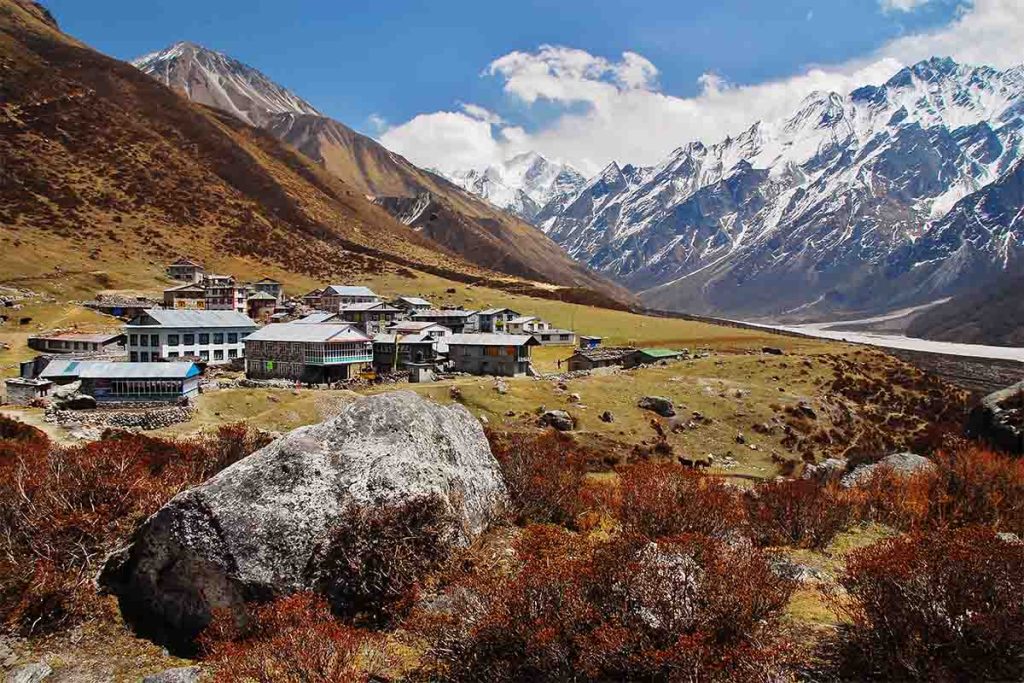
Langtang Valley Trek
Langtang Valley Trek provides a wonderful alternative for trekking in Nepal in January with unspoiled natural landscapes and a rich cultural background. It manifests stunning scenery of white-capped peaks like Langtang Lirung and Ganesh Himal, amidst rhododendron forests and serene alpine meadows. The moderate height and well-trodden trails of the trek make it perfect for a winter visit.
Likewise, the clear blue skies and peaceful surroundings make the experience even more pleasant. Compared to treks at higher and exposed heights, Langtang Valley is typically easier to reach in cold weather. It allows its visitors to enjoy the winter views in safety and soak up the peaceful ambience of the Himalayas in a more profound way.
In addition, most of the teahouses along here are open during winter, ensuring cozy shelter and hot meals essential for warmth during the cold season. Since it is close to Kathmandu, it is also logistically simpler, having a shorter travel distance to the trailhead.
For trekking enthusiasts wishing to find a less touristy, culturally vibrant Himalayan trail with grand scenery and cozy winter weather, the Langtang Valley Trek is a great and worthwhile choice.

Everest Panorama Trek
It is among the best Nepal trekking in January because of its stunning mountain views, low elevation and relatively bearable weather conditions compared to other high altitude routes. The Everest Panorama Trek will take you to the highest point of about 3,870 meters at Tengboche. This makes it safer and less demanding during the winter months.
The trek offers uninterrupted sweeping views of Everest, Lhotse, Nuptse and Ama Dablam against the clear blue winter skies. The lower elevation and sun shaded valleys also translate to less snowfall on trails. Hence, there are fewer chances of encountering risky icy terrain. Trekking travelers seeking the magic of the Everest landscape without all the crowds and a gentler winter trekking experience the Everest Panorama Trek is the most rewarding.
The cozy teahouses that remain accessible in the month of January ensure warmth and comfort after exhausting days of trekking through snow. The comparatively less crowded January trails offer more tranquility in being immersed in Sherpa culture and villages. For such people who want to experience the splendor of the Himalayas in winter without the extreme physical demands or logistical challenges of higher altitude treks the Everest Panorama Trek is an ideal choice.
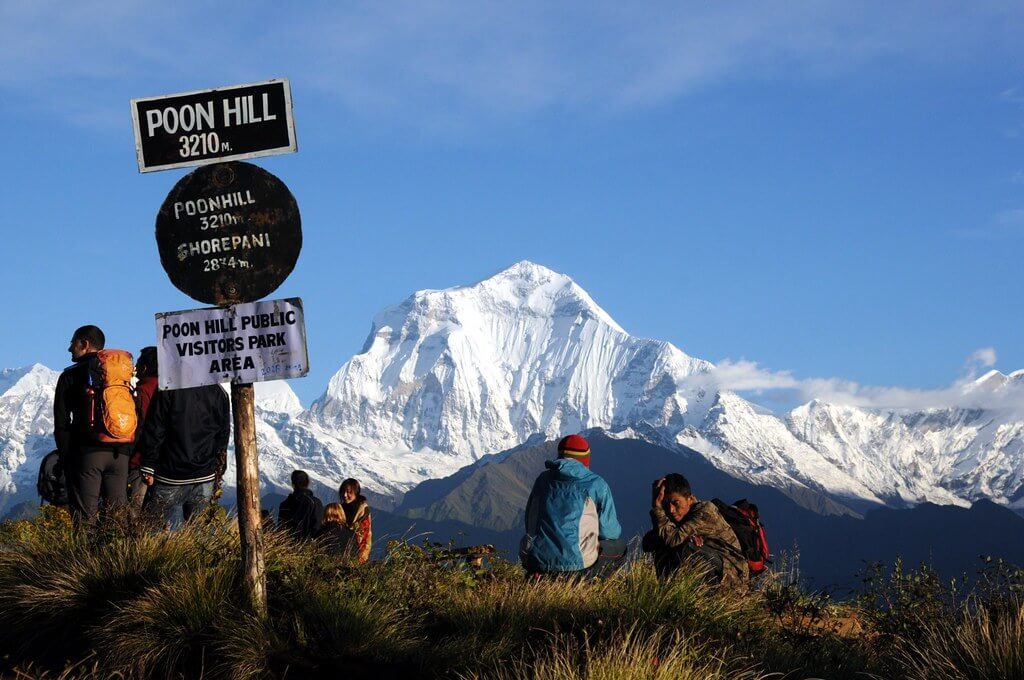
Ghorepani PoonHill Trek
January is the best time to visit Nepal for the Ghorepani PoonHill Trek. The trek is of low altitude, it has expansive views and offers well-established infrastructure. This trek, in comparison with the high altitude treks which are challenging during cold and harsh winter, is barely over 3,000 meters at PoonHill and is safer and easier in cold conditions.
The winter morning with clean air and clear skies makes for fabulous sunrise views over the Annapurna and Dhaulagiri ranges. Poon Hill is an ideal vantage point from which to witness Himalayan grandeur without exposing yourself to bitter cold or tough terrain. The moderate elevation also means little snow cover on trails and a lower risk. It is a beautiful adventure for beginner or seasoned hikers seeking a peaceful winter getaway.
Furthermore, the Ghorepani PoonHill Trek has decently developed teahouses, ensuring comfort after a hiking day. The route’s proximity to the tourist destination Pokhara makes logistics simpler and easier and allows for flexible planning in shorter winter days.
Trekkers can experience serene Himalayan landscapes and warm local hospitality without the crowds associated with peak months. For those who want to blend excellent mountain landscapes, reasonable trekking conditions and good accommodations, Ghorepani PoonHill Trek is the most excellent winter trek experience in Nepal.

Annapurna Base Camp Trek
Annapurna Base Camp Trek is commonly regarded to be one of the best winter treks in Nepal. The trek’s highest point of around 4,130 meters gives the trekker incredible views of some of the world’s highest peaks such as Annapurna I, Machapuchare and Annapurna South, all beneath clear winter skies.
ABC is relatively sheltered and well-maintained and can be coped with by travelers who want to experience the Himalayas without having to take serious altitude sickness risks. The winter season guarantees fewer travelers, ensuring a peaceful atmosphere where you can indulge in the serene mountain landscape.
Additionally, the gradually increasing incline of the trail and its accessibility from Pokhara result in the fact that logistically it is simpler to arrange. Therefore, it is ideal for winter travelers in need of a combination of adventure and convenience. The cold, crisp winter air provides excellent visibility, with some of the finest mountain vistas Nepal has to offer.
Annapurna Base Camp Trek is a rewarding feat for those eager to experience an unforgettably stunning Himalayan adventure in winter with consistent suitable facilities and moderate physical effort.
Nepal in January Weather
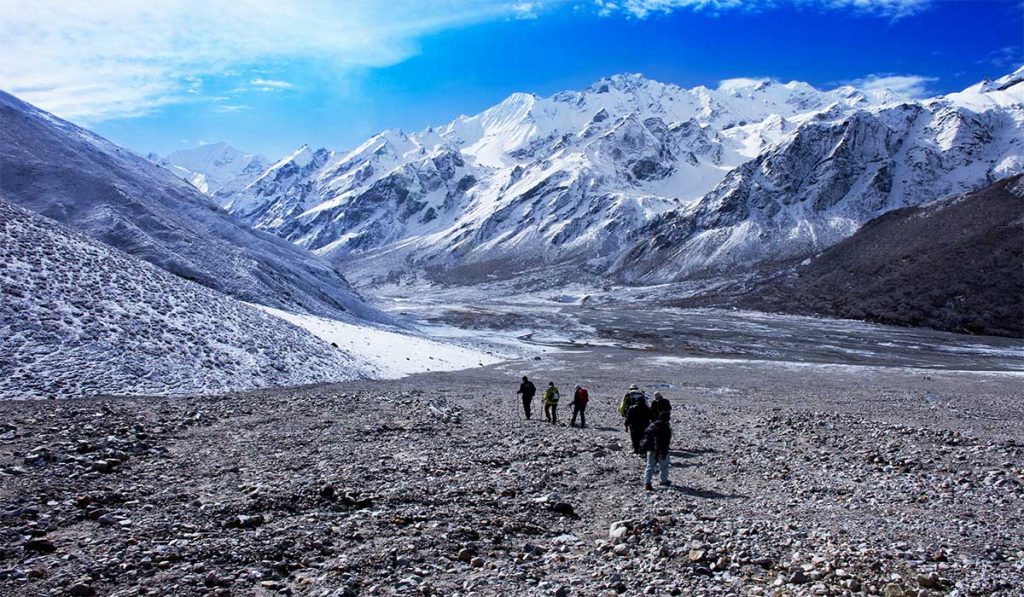
January is a cold and dry winter season in Nepal. It is one of the coldest months of the year across Nepal. Daytime temperatures in the lower regions and the Kathmandu Valley typically vary between 10 to 20 degrees Celsius. The mornings and evenings dip close to or below the freezing point.
The air is fresh and clean, with minimal dust and haze and provides a fine view of nearby hills and far-off Himalayan peaks. While the plains receive mild cold, the higher altitude areas such as mountain valleys and trekking routes, can experience temperatures below freezing points, especially during the nights.
The higher you climb into the mountainous areas, the weather is much colder and less predictable. Snowfall is prevalent at altitudes above 3,000 meters and fresh snow on trekking routes is possible. This causes trails to become slippery and sometimes difficult to traverse.
In contrast to the heavy monsoon rains, January has stable high-pressure systems that allow for mostly clear skies and little precipitation. It is one of the best months for visibility in the Himalayas. This consistent pattern of weather allows trekkers to have clear panoramic shots of mythical summits like Everest, Annapurna and Langtang.
However, the cold weather necessitates trekkers to undertake necessary precautions in dressing and gear. Frostbite and hypothermia may be a serious danger at alpine altitudes, especially in the evenings when the temperature may dip below -15 degrees Celsius or even further. While there are tea houses available along the trekking routes, facilities are not so opulent as in high-season months.
Despite these challenges, serene trails, pristine mountain scenery and the winter wonderland of Nepal in January are unbeatable rewards.
Trekking in Nepal in January – Trail and Crowd Conditions

January is the low season for trekking in Nepal. Treks at this period offer an exceptional experience with fewer crowds on the trails. The majority of leisure travelers and novice trekkers avoid the cold and short days of January, so popular trekking routes like Annapurna Circuit, Langtang Valley and Everest Base Camp are far less crowded.
This reduction of the crowd makes it easier to have a peaceful and intimate interaction with the surrounding nature. It provides trekkers the special opportunity to experience the serenity of the Himalayas without the distractions of crowds and busy tea houses.
January trail conditions vary by altitude and location but generally are dry and solid at lower altitudes which are ideal for trekking. However, as you ascend above 3,000 meters, snow and ice become more common and sections of the trail can be slippery and harder to navigate.
In some higher passes or exposed ridges, there may be new snowfall, so crampons or trekking poles can be required to maintain stability. Despite the difficulties, trails are generally less muddy than in the monsoon months with fewer bugs.
January trekking is perfect for travelers who prefer secluded time over sociable trekking experiences. The tea houses are not as crowded and you will be dining or spending evenings with just a few other trekkers or sometimes even having entire lodges to yourself. The more leisurely pace allows for cultural interactions with the villagers, grateful for off-season visitors.
However, with less demand, certain services may be lacking and a couple of remote teahouses may close down for the winter. Hence, flexible itineraries and advanced booking of accommodation are recommended.
How to Prepare for Nepal Trekking in January?

Gear Up for the Cold
January trekking means embracing the coldest weather, especially in the upper Himalayas. Preparation begins with buying good winter gear. You need a four-season sleeping bag rated for sub-zero temperatures. This is because tea house blankets are usually not enough to provide you with much warmth and proper heating facilities are also not available.
Layering is key. Pack thermal base layers, an insulated down or synthetic jacket and a windproof outer shell. Other accessories would be thermal socks, a wool hat, a neck gaiter or buff and warm gloves. Good waterproof trekking boots with adequate traction are essential for your feet, especially for snowy trails. Likewise, do not forget to carry crampons or microspikes and trekking poles to move cautiously over icy terrain.

Plan Your Route and Logistics Carefully
While the majority of trails remain open in January, high passes may be blocked or hazardous due to snowfall or ice. Opt for well established and lower altitude routes like Ghorepani PoonHill, Langtang Valley or parts of the Everest region to Tengboche or Namche.
Choose itineraries that have built in flexibility such as in the event you need to divert or wait for bad weather. Reserve in advance at accommodations because some tea houses shut down during off season. Also, carry some cash with you, as ATMs are nonexistent or few in the mountain region.

Physical and Mental Preparation
January backpacking is also mentally challenging. Frigid early mornings, steep mountain climbs and fewer hours of daylight necessitate good conditioning and toughness. Start planning a month in advance with cardio, strength training and long backpacking excursions. Prepare yourself mentally for primitive living conditions, iced water faucets and potential trail interruptions.
Above all, check regular weather forecasts, be aware of altitude issues and have emergency evacuation insurance. With proper precautions, January treks can be an unforgettable winter experience which is peaceful, raw and stunningly Himalayan.
Nepal in January Trekking – Wildlife and Nature

January trekking in Nepal is a unique encounter of its rich natural splendor and subtle winter wildlife activity. The lower altitude forests in places like the Langtang Valley, the lower Annapurna and the Everest hills are sparsely foliated, allowing for wide views and a calm, wintry trekking experience. Moreover, the snow-dusted pine trails provide a peaceful and meditative environment for the trek.
Wildlife sightings in January may be fewer than during spring or autumn. Fewer crowds and quiet trails let you have a greater chance of seeing reserved wildlife. In the lower hill and mid-altitude areas, Himalayan monals, musk deer, langurs or Himalayan tahrs can be spotted on the cliffs. Bird enthusiasts will have fun spotting both the resident and migratory bird species. Though sighting of rare animals such as snow leopards or red pandas is difficult, their tracks can sometimes be found in snowy zones adding awe and delight.
Fresh snows in the upper reaches alter the landscape completely with icy brooks and snow layered trails. The peacefulness of the virgin Himalayan landscape and sporadic observation of wildlife make January trekking in Nepal an experience that is distinct and satisfying. For the prepared, winter offers less disturbance and more pleasure to the nature and wildlife of the Nepal Himalayas.
Trekking in Nepal January – Cultural Experiences
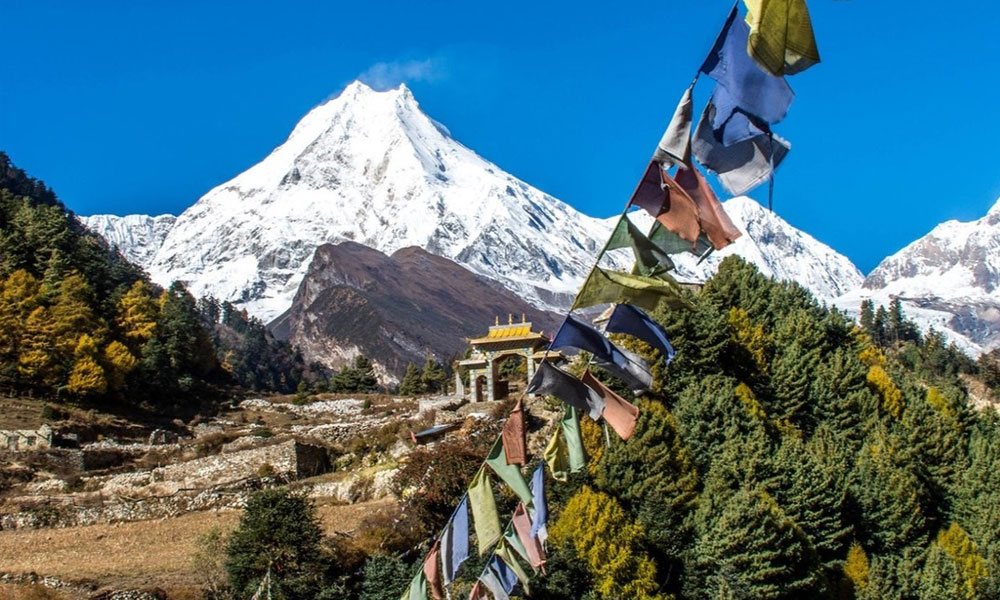
January Nepal trekking can provide the scope for deep and real experiences with the high Himalayan culture. There are fewer travelers on the trails and greater chances of one-to-one interaction with the locals.
In remote mountain villages along trails like Annapurna, Langtang and Everest regions, you are likely to be interacting with hosts, learning their stories and experiencing a simple way of life untroubled by peak season disruption.
Whether relaxing over a steaming meal by the fire in a tea house or chatting over a milk tea, off-season peace offers chances for deep immersion into the regional culture.
In remote Himalayas where life is slower in winter, you can observe daily routines such as herding yaks, spinning wool or prayer rituals at Buddhist monasteries. January also overlaps with winter celebrations and traditions such as Maghe Sankranti, Sonam Lhosar, Tamu Lhosar etc., coloring and bringing alive your adventure.
Nepal’s January cultural diversity also expresses itself in the hospitality of the people. Despite the cold weather, villagers welcome guests with genuine love and warmth. There is also more time for tea house owners to share local anecdotes or teach a couple of Nepali words or their ethnic dialects to trekkers.
With fewer distractions and a more serene environment, January trekking is a walk through the living heritage and deep spirituality of the mountain.
Accommodation and Facilities in the January Trek of Nepal
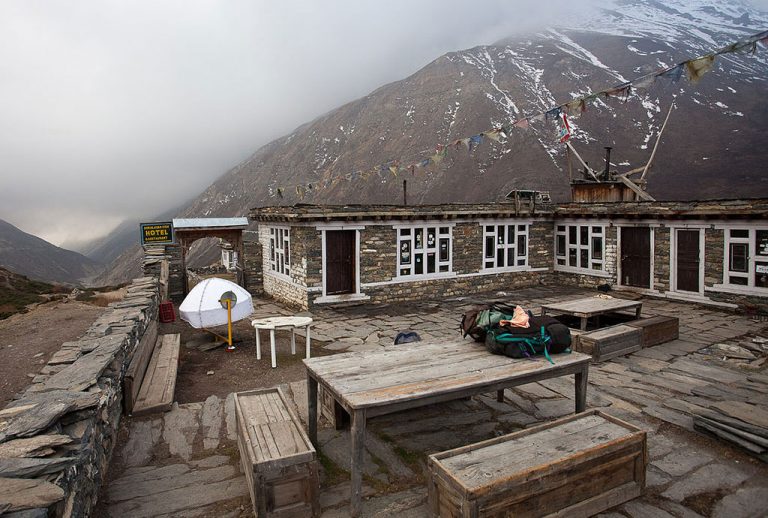
Nepal trekking in January, in the middle of winter, is a logistical hassle when it comes to accommodations. Most of the Himalayan trekking paths remain open but teahouses usually operate with reduced facilities due to the lower numbers of travelers. In most settlements, they may operate at half capacity.
These family-run lodges typically offer basic rooms with twin beds and shared bathrooms. Certain teahouses are closed at the higher altitudes because of harsh weather or logistical issues like pipes freezing and a shortage of supplies. Trekkers thus generally have to pre-plan, determine which lodges remain open and anticipate limited services and availability.
Some lower-altitude teahouses offer small luxuries like heated dining halls, Wi-Fi, hot showers (occasionally gas or solar heated) and electricity for charging devices. But as the elevation increases, services and amenities decline.
It is essential to have strategic planning in terms of accommodation and amenities in order to be safe and comfortable in January. Trekkers should be prepared with the proper winter attire and a four season sleeping bag to compensate for the lack of room heating. Prior reservation of accommodation is suggested, though walk ins are generally accepted because there are fewer tourists.
Apart from that, hiring a local guide or porter also helps in negotiating a place to stay and bridging the language divide. Lastly, the success of the winter treks in Nepal will hinge on an appreciation and adjustment to the simple accommodations and facilities.
Also Read: