
The one question that all the trekkers would have in mind is: ‘How long is the Langtang trek from Kathmandu?’ The standard itinerary can generally take 7 to 10 days to complete. Even then, the duration of the trek depends on your speed and on the itinerary that you opt for. You can reach the serene village of Syabrubesi within a day from Kathmandu, where trekkers prefer to begin their trek.
The duration of the trek is generally determined by the path you take, along with the stopovers you make and the rest days you plan to explore major hubs of the region. Most people will opt for an acclimatization day at Kyanjin Gompa to trek to nearby viewpoints such as Kyanjin Ri or Tserko Ri. These side treks not only provide views of the surrounding mountains but also acclimate you to higher altitudes by making the trek safer and more pleasurable.
The time taken to travel from and back to Kathmandu also makes a big difference. Eight or nine hours are required for the bus ride to reach from Kathmandu to Syabrubesi. If you take a jeep, you might reach even sooner. Weather and trail conditions during the monsoon or winter are off-season, making on an adventure.
Langtang Valley Trek makes for an excellent choice for travelers with limited time but who still desire a rewarding Himalayan experience. Whether you choose the shorter standard route or decide to add some extra exploration, the Langtang Trek can give you a good balance of adventure and stunning views all within a short amount of time.
Standard Itinerary Duration
The standard itinerary for the Langtang Valley trek package usually takes about 10 days in total to complete. The itinerary generally starts and ends in the Kathmandu valley. It generally includes your arrival and departure days, where there are two full days of travel between Kathmandu and Syabrubesi. Here, Syabrubesi is the actual starting point for the trekkers. But if you include only the trekking days between leaving and returning to Kathmandu, then the journey typically lasts for about 8 days.
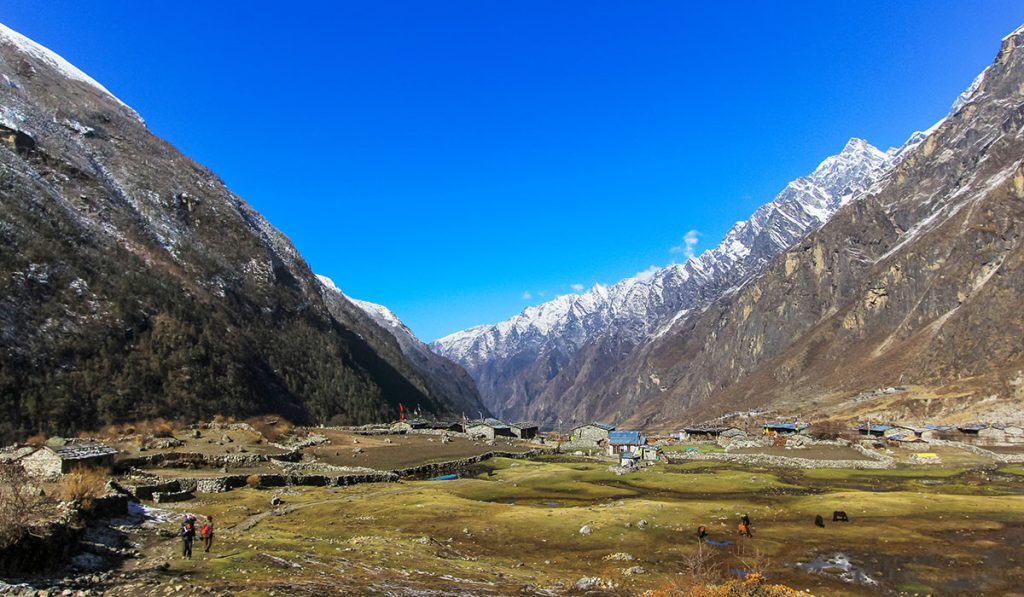
From Syabrubesi, the route moves steadily through Lama Hotel, Langtang Village and Kyanjin Gompa with some of the extra days for acclimatization and exploration. These rest days allow you to trek to various viewpoints like Kyanjin Ri or Tserko Ri. You get amazing panoramic Himalayan mountain views while returning via the same trail.
The length of the trek can depend on the side trips and personal preferences. This journey can be extended by several days if you further extend the trip to destinations like Goshainkunda or Helambu. These trails connect beautifully with the Langtang Valley, but they require extra days for trekking and additional permits. There are some trekkers who prefer to spend extra nights in Kyanjin Gompa or Langtang Village. So, they can soak up the breathtaking scenery and nearby culture in their own time.
However, those who prefer to dive deeper into the Langtang trek or even blend with the surrounding areas must prepare for 10 days or more in order to enjoy their time in this region without any rush.
Factors That Affect Trek Duration
Trekking Route Choice
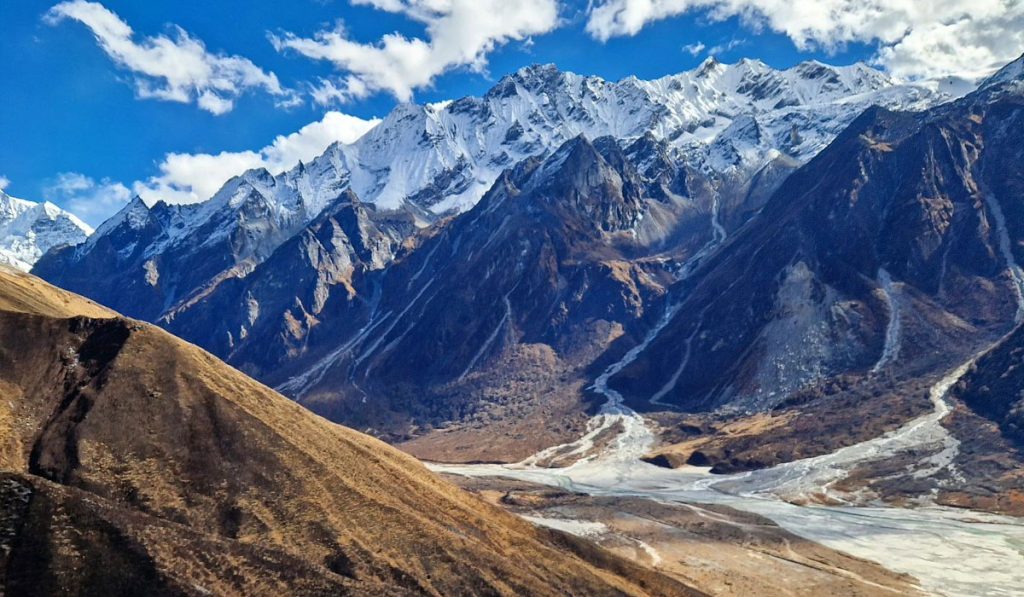
The route you choose has a great impact on how long the Langtang trek will take. If you opt for a standard trek, then you might require 7 to 8 days to complete from Kathmandu. However, if you decide to visit places like Goshainkunda Lake or Helambu, you can expect to add several days. These extra stops can increase the distance and require more nights on the trails. You may choose the right route very carefully by helping you plan the right amount of time for your journey.
Fitness Level and Trekking Experience
Your personal stamina and trekking experience determine the pace at which you are able to finish the job of making a significant difference on the Langtang Trek. If you are a seasoned trekker with proper physical fitness, then you can walk for more hours a day and complete the trek in less time than scheduled. Travellers who prefer to go slow require additional days by making shorter hikes. Taking extra days for the trip based on your speed can be the best for you. It makes you secure and lets you enjoy the trip without rushing.
Weather and Seasonal Conditions
The weather has a great impact on the trek. In dry seasons like spring and autumn, the trails are clear, making it easier to walk around. You can steadily move without many interruptions. But during the monsoon or snowy months, heavy rain or snow makes paths slippery and visibility poor. This can slow you down and may even force you to pause until conditions can improve. It is a good idea to consider the weather before planning the trek.
Mode of Travel to and from Syabrubesi
Your trek officially begins at Syabrubesi, so how you get there can affect your schedule. Taking a local bus costs less but it can usually take about 7 to 8 hours more due to multiple stops. A private jeep tour can be faster and more comfortable, often saving several hours on the road. The same options can apply on the return journey as well. Choosing a private jeep or a bus can add or shorten your trek by one day.
Side Trips and Exploration
When on the route, people generally like to explore places, especially in areas where side trips are available. Adding side trips from places like Kyanjin Gompa offers you an opportunity to climb Kyanjin Ri or Tserko Ri provides a panoramic view of the Himalayas. These side treks will give you memories that will stay with you for a lifetime.
However, such side trips can consume some extra time. Each of these places can take more than half a day. If you plan to explore other nearby views of the villages, you must expect some extra time to complete the trek. Exploring these extended areas can make your overall experience more rewarding, but it also requires proper planning in advance.
Rest, Acclimatization and Unforeseen Delays
Taking breaks and allowing your body to acclimate are two of the most important actions to take when trekking at high altitudes. You need to pause at higher altitudes that give your body time to acclimate. This can reduce the risk of altitude sickness, making the trek more safe and enjoyable. Unexpected delays may happen during your trek. You are likely to face delays like landslides, trail or personal illnesses that cause delays. You can keep your schedule flexible and then help yourself cope with the same without any stress. So, you can stay ready and not let unnecessary stress prevail while you’re on the move.

Is It Possible to Shorten the Langtang Trek?
A short Langtang trek can be completed within a five to six-day itinerary. This is a fast option that works best for experienced trekkers or for people who have limited time. But it does skip rest and acclimatization days. Along with that, a popular side hiking place like Kyanjin Ri is also skipped. Due to all this, every day involves longer walking hours and more physical effort. Trekkers must be fit and ready for a tough schedule.
Moving quickly on the trek can bring some risks. Without enough time to get used to the high altitude, you might feel very tired or even get altitude sickness. So, fast trekking can be a little risky. Unless you give yourself enough time to acclimatize at higher altitudes, you could end up very tired or even fall sick with altitude sickness. So this faster plan is for people who are aware of their strengths and capacity. You need to listen to your body and notice when it feels strained. If you prepare well and have a good guide, then you are still able to trek safely despite cutting down the trip.
Do Permits Affect Your Trekking Schedule?
Permits can change the way you plan your Langtang trek. For your standard trek, you will only need to purchase the Langtang National Park Entry Permit. These are usually included in most trekking packages or reserved by trekking agencies. In case you plan to extend the trek further to explore. Some of the other places, like Gosaikunda Lake or trekking to Helambu, require you to purchase some extra permits.
Additionally, solo trekking is not allowed anymore when trekking in Nepal. This policy is mandatory for you to hire a guide to affect your budget and plan if you want to trek solo.
Here is a quick guide to what permits that you may need:
- Langtang National Park Entry Permit (Required for the standard Langtang trek)
- Gosaikunda Trek Permit (Required if you plan to visit Gosaikunda Lake)
- Shivapuri Nagarjun National Park Entry Permit (Required for trekking between Helambu and Langtang)
- Restricted Area Permits (Places like Ganja La Pass or Tserko Ri)
Permits are required for several reasons. Trekking without permits can be illegal, resulting in fines or being stopped by authorities. For safety reasons, permits enable authorities to keep track of trekkers is something which is highly crucial if one needs to be rescued. Permit fees also contribute towards the protection of the national park and the benefit of local community residents.
Extended Langtang Trek Options
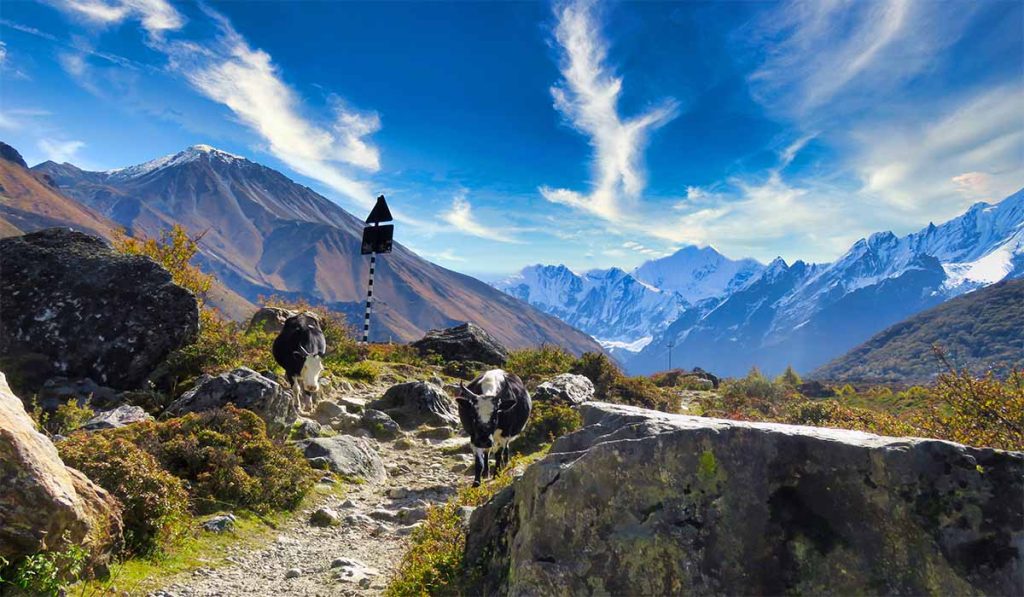
For those with extra time, the Langtang Trek can be extended to nearby routes like Gosaikunda, Helambu or the Tamang Heritage Trail. These add roughly 3 to 10 more days depending on the chosen route. Each extension offers unique scenery from sacred lakes to cultural villages and allows you to see more of the region beyond the main Langtang Valley.
Combining routes means a richer trekking experience, but it also requires greater stamina and planning. Longer treks suit those who want deeper cultural immersion, can enjoy challenging trails and have the flexibility to spend more days in the mountains. However, they may not be ideal for beginners or those with limited time. If your goal is to fully explore the Langtang region, these extensions can turn a rewarding trek into an unforgettable adventure.
Reasons that Impact Trek Length: Personal and External
The length of the Langtang trek depends on several personal and external factors. Focus on building your stamina. If you have good stamina, then you can walk faster and accomplish more every day. Or if you are a beginner or have less stamina, you may need more rest days to recover your body with a slow pace.
Weather conditions are also important to consider. During the monsoon, the rain would result in very slippery trails and not so easy to trek. During the winter, cold and snowy trails may be difficult to trek through due to extreme weather conditions. Spring and autumn are the best times to trek due to clear blue skies and better trail conditions.
Additionally, the means of transportation you choose can also make a difference. The road to Syabrubesi is uneven and can become difficult to navigate, especially when there are bad weather conditions. Taking a local bus might take longer than hiring a private jeep. Roadblocks could even affect your entire schedule for the trek.
Acclimatization is another important factor to keep in mind while trekking. Your body needs time to acclimate itself to thinner air to avoid the development of altitude sickness. If you rush through the trek, it not only becomes difficult but can also extend the overall time required.
Finally, the trail you choose can affect how long the Langtang trek is going to be! Then the side trips you add to the itinerary can also extend the journey. Another important factor to keep in mind is whether you’re trekking alone or in a group.
All these variables, when combined together can decide how many days your Langtang trek will take to complete. Planning with these in mind ensures a safer and more enjoyable experience.
How Does Timing Influence Trek Length?
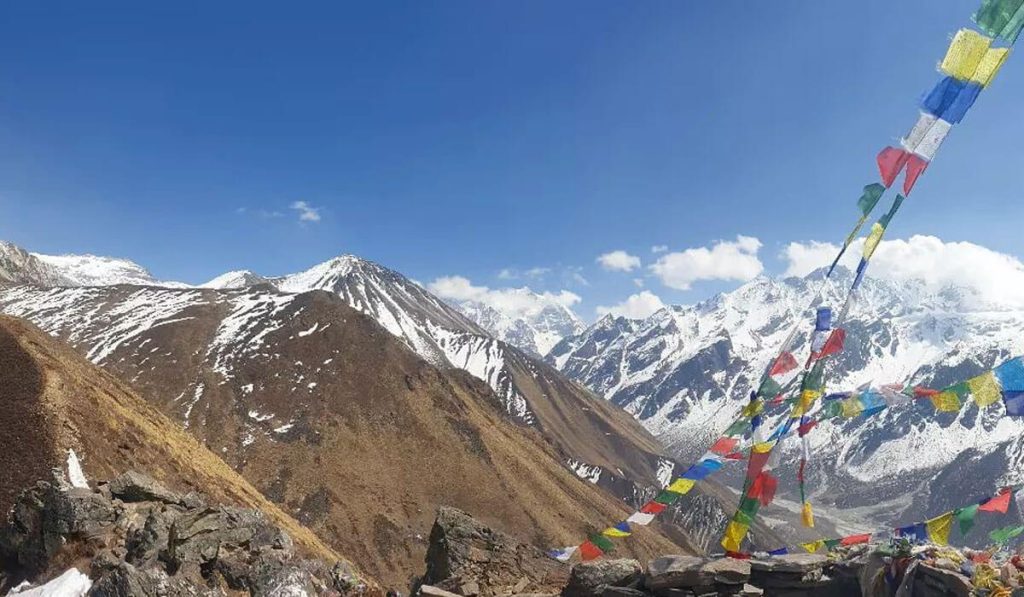
The time you trek the Langtang trek can highly influence the length of your trip. During spring and autumn peak seasons, the weather is clear and sunny, making the trail dry and easy to walk on. This is a simple yet comfortable journey that makes your travel quite comfortable in temperatures that are relatively mild by avoiding tiredness.
Along the way, the stunning mountain scenery keeps morale boosted. With trekkers being able to complete the trek within a span of approximately 7 to 10 days during these months, villages are easily accessible to find sustenance and finding accommodations is simple. These good conditions also enable you to add short side trips without having to worry about delays.
Things become different as soon as the monsoon season comes along. Heavy rain could make the trails slippery and muddy. Landslides might block the way at times, and you might be forced to follow the long route or wait until it is safe to move. Heavy clouds and fog also limit visibility in front and you have to walk slowly yet less pleasantly. Because of these challenges, the trek usually takes closer to 9 or 10 days in the monsoon. It is a good idea to add a little extra time to the itinerary in case there are any delays.
Winter comes along with its own difficulties. Snow and ice cover some higher sections that require some extra caution. Cold weather can limit the hours you can comfortably trek each day. Even some of the guesthouses might be closed after making it harder to find accommodation. This can extend your trek or block certain paths.
To obtain the best from your trek, choose your season well. Spring and autumn allow you to maintain a routine without any hassle. Monsoon means waiting and additional days. Winter, walk at a slower speed and check for weather forecasts before venturing out. Adjust your itinerary accordingly to the season, keep yourself secure and savor every minute of your trek.
Booking Procedure
For the Langtang trek, you may book your package with us at Base Camp Adventure before your arrival. The process is quite simple to make your journey easy from start to finish. First of all, pick the trek that fits your interests and schedule. Whether you choose the standard trek or opt for a longer route to explore nearby areas. Each of these options shows the stunning nature and culture of this region.
You can then choose the desired date that is based on availability. We have already set dates for group travel, but if you’d like to travel on your own, then we can personalize it for you. After being sure of the dates, reserve your place with a non-refundable 30% booking. This confirms your booking for the team to proceed and organize more.
We’ll help you acquire the Langtang National Park Entry Permit after the booking. After you arrive in Kathmandu, you’ll meet the licensed guide who’s fluent in English. They offer a full briefing, answer your questions and make sure you’re all set to move forward. So that all your transportation, accommodation and meals can be arranged in advance for you to focus on enjoying the journey.
Overall, we do handle all the details so that you don’t have to worry about the rest. With their support, you can relax and fully enjoy your Langtang trek from start to finish.
Final Tips on Planning the Right Number of Days for the Langtang Trek
- The standard Langtang Valley trek typically takes between 7 to 10 days based on traveling from and returning to Kathmandu.
- Faster trekkers with good physical stamina where no extra side excursions can accomplish it in 7 to 8 days.
- You can also add routes like Gosaikunda or Helambu that makes which may extend the trek to 12 days or longer.
- Rest days or acclimatization are safe if you want to walk at a slower pace to avoid altitude sickness issues.
- Decide what matters most to you, either having fun at vantage points, challenging yourself or staying longer in villages.
- If you value cultural experiences, then you can spend extra time in Tamang villages and connect with the local people.
- You can also try a tighter itinerary if you prefer challenging your fitness level, but consider that weather or trail conditions may hamper your schedule.
- Be open to changes and adjust your plan whenever needed.
- Weather and seasons can affect your walking pace, so plan your days with some ease.
- The roads from and to Syabrubesi can get delayed, so it’s best to include an extra day in your schedule.
- Be adaptable to changes because you can opt for visiting a viewpoint or staying one extra day, where you like.
- Plan a pace that will allow you to enjoy the tour and not rush from place to place.
- A well-planned itinerary will give you the adrenaline thrill of adventure while making sure that you’re comfortable and have time to enjoy the Langtang region in all its glory.