
The Langtang Valley trek is a breathtaking journey through Nepal’s delicate landscapes, traditional valleys and rich cultures. It promotes an enriching trekking all around the year. However, Langtang trek in November lets you enjoy the beauty of the Himalayas in a unique way.
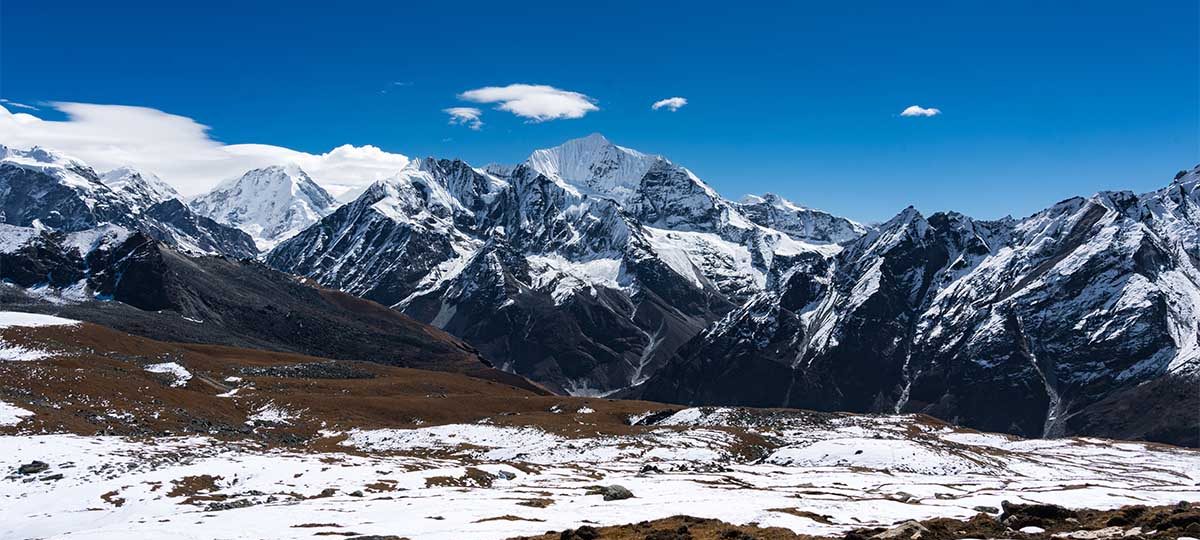
Season-wise, November is part of the autumn season in Nepal. This period of three months – September, October, and November attracts the maximum number of trekkers in Nepal. That’s why it is called the peak trekking season of Nepal. In November, the weather is clear and dry, with sunny days and blue skies. So, watching the snow-covered peaks such as Langtang Lirung (7,227 m), Dorje Lhakpa (6,966 m), and other Himalayan mountains becomes more delightful. Days are warm enough for trekking, while nights are cold but comfortable for sleeping in tea houses.
This trek is not just about nature. You will pass through Tamang and Sherpa villages, where you can experience their culture, visit Buddhist monasteries, and see daily mountain life. The rhododendron, bamboo, and pine forests add beauty to the route. If you are lucky, you may also spot some rare wildlife along the way.
Rainfall in November is almost zero. And the snow are also not too much to disturb the trail, meaning they are safe and easy to follow. Tea houses remain open and well-prepared for trekkers. You can easily find one that can offer good food and cozy rooms.

So, in short, if you want mountain scenery, cultural experiences, and decent trekking conditions all at once, choosing the Langtang Trek in November can be an excellent decision for both beginners and experienced hikers.
Langtang Trek in November Highlights
- November has clear skies that show the beautiful snow-covered mountains like Langtang Lirung and Dorje Lhakpa.
- The trails are quiet because fewer people trek in November. This helps to make your experience uniquely peaceful.
- You will see colorful forests with Rhododendron, bamboo and pine trees.
- The weather is just right. It’s warm enough to trek during the day and cold is also manageable at night.
- Meeting the friendly Tamang and Sherpa people is obvious and visiting Buddhist monasteries is an unmissable highlight
- There is little snow that does not obstruct the trail, but let you enjoy. And tea houses are open and ready for visitors.
Top Reasons to Choose November for Langtang Trek
Choosing November month to trek the Langtang Valley has a lot of reasons. These reasons ensure that this time is surely one of the best times to be trekking here. Here they are explained:
Clear sky and magnificent mountain views
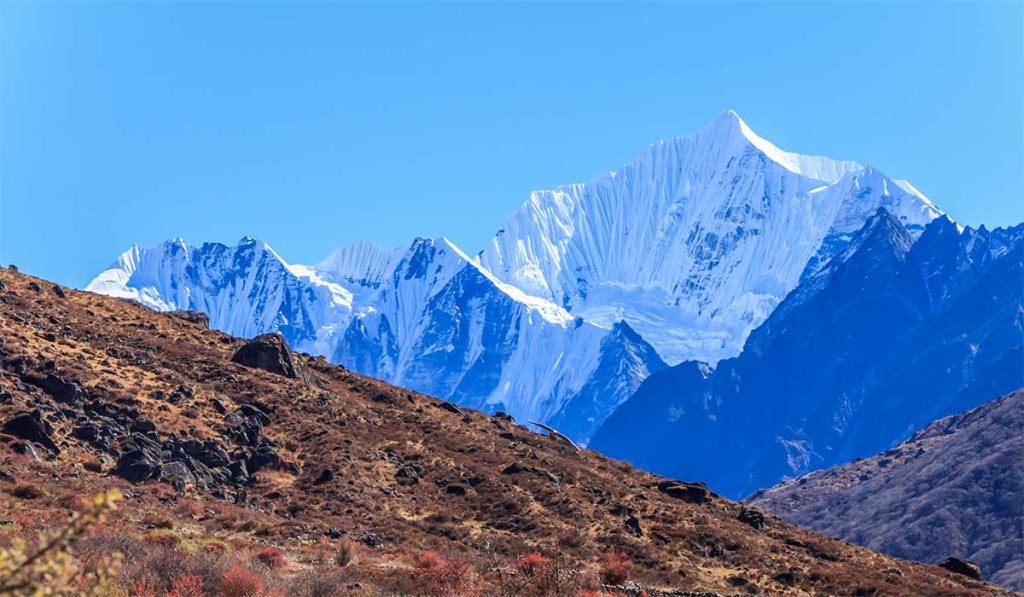
The biggest reason for choosing Langtang Trek in November is clear weather and unmatched visibility. After the rainy monsoon season, the sky opens beautifully and gives you panoramic views of the snowy Himalayas. Langtang Lirung (7,227 m), Dorje Lhakpa (6,966 m), and Gangchempo (6,388 m) appear closer and more spectacular under the deep blue sky. These all lead to a great photography opportunity. The crisp air and golden sunlight add sharpness to every view. Thus, it makes the trekking experience even more memorable.
Lush greenery and vibrant landscapes
The Langtang trails are full of life in November. Thanks to the monsoon rain, the forests remain green and healthy, and rivers and waterfalls are still in their prime. You will pass through rich rhododendron forests, bamboo groves, and alpine meadows that look fresh and lively. The glaciers add more charm to the journey. These all freshness after the monsoon makes Langtang Valley in November feel like a natural paradise.
Comfortable trekking temperatures
Langtang trek in November gives perfect temperatures for the journey. Daytime temperatures usually range from 10°C to 15°C (50°F to 59°F), which is neither too hot nor too cold. The air is cool and this keeps you fresh. Even though the temperature at night can drop even below 0°C at higher altitudes, this is manageable with proper clothes and a warm tea house. Unlike winter, there is no extreme cold, and unlike summer, there is no heavy rain. This balance ensures a smooth and pleasant trek, even for the beginners.
Experience local festivals like Tihar
November often overlaps with Tihar. Tihar is Nepal’s second-largest festival. But experience-wise, it is the most delightful one. Tihar, also known as the Festival of Lights, is celebrated for five days. These five days fill the villages in the Langtang region with oil lamps, colorful rangolis, and flowers, creating a warm festive atmosphere. The cultural rituals, traditional songs, and dance performances will be a part of your journey.
Fewer crowds and a peaceful trek
Yes, November is part of Nepal’s peak trekking season, but if we take the reference with the popular trekking destinations like Everest Base Camp or Annapurna Circuit, the Langtang region is much less crowded. This means you can enjoy the peace of the mountains even during one of the peak trekking times. Here, tea houses are less busy. That ensures you get a better service and a quieter dining experience. The peaceful trails let you connect deeply with nature and enjoy a relaxed pace. Hence, for those seeking solitude or a more intimate Himalayan experience, November is an excellent time for the Langtang Trek.
Langtang Trek Weather in November

The Langtang Valley Trek in November is renowned for its stable weather conditions in the Himalayas. As part of the autumn, this month is characterized by crystal-clear skies, crisp mountain air, and minimal rainfall. After the monsoon, the atmosphere is dust-free. This makes the scenery lively and fresh. Temperatures, as already stated, are perfect, and the trails are not likely to face any damage or risk of a landslide or any other disaster. This is why November balances the temperature and trekking conditions, both as ideal and safe.
The scenery in November is an uninterrupted view of the majestic peaks, including Langtang Lirung, Dorje Lhakpa, and Gangchempo. Precipitation is extremely rare, which keeps the hiking trails dry and safe to walk.
At high altitude, you can see light snowfall in late November, especially around Kyanjin Gompa and nearby glacier areas. This snowfall is usually minimal and adds a fantastic winter charm to the trek without creating difficult conditions to trek.
Although daytime conditions are pleasant, nights and early mornings can be quite cold, especially in upper areas. Tea houses provide basic rooms, so trekkers are recommended to take warm sleeping bags, thermal layers, and insulated jackets for extra warmth. In case of any emergency, operating helicopter evacuations is also possible, thanks to the clear weather.
| Temperature Variation With Altitude in the Langtang Valley Trek | ||
|---|---|---|
| Region (Increasing Altitude) | Daytime Temperature | Nighttime Temperature |
| Syabrubesi (1,550m) | 10°C to 18°C (50°F to 64°F) | 4°C to 6°C (39°F to 43°F) |
| Lama Hotel (2,470m) | 8°C to 14°C (46°F to 57°F) | 2°C to 4°C (35°F to 39°F) |
| Langtang Village (3,430m) | 6°C to 12°C (43°F to 54°F) | 0°C to -2°C (32°F to 28°F) |
| Kyanjin Gompa (3,870m) | 5°C to 10°C (41°F to 50°F) | -2°C to -5°C (28°F to 23°F) |
| High Pass Areas (above 4,000m) | 2°C to 8°C (36°F to 46°F) | -4°C to -6°C (25°F to 21°F) |
Overall, the trekking in November provides the right mix of trekking temperature, dry trails, and beautiful scenery, which makes this one of the best times to trek Langtang Valley.
Langtang Trek in November Itinerary and Route

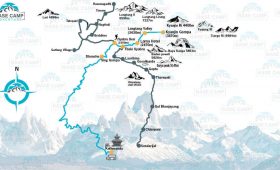
In November, Langtang Trek usually begins with a beautiful drive from Kathmandu to Syabrubesi. Syabrubesi is known as the gateway to Langtang Valley and is located at an altitude of 1,550 m above sea level. The route to Syabrubesi itself introduces you to the remote aspect of Nepal, taking you through terraced fields and undeveloped villages. In November, the surrounding landscapes seem fresh. This makes the drive a pleasant start to the trip.
From Syabrubesi, the trail gradually passes through green forests of oak, bamboo, and rhododendron towards Lama Hotel (2,470 m). November is the right time to enjoy these forest trails because they are dry and easy to navigate. You’ll surely not miss the sound of flowing rivers and waterfalls that add a peaceful charm to this part of the trek. During this section, the mild temperatures make walking comfortable without the risk of sunburn or slippery conditions.
Going forward, you reach Langtang Village (3,430 m), where the majestic Himalayan peaks begin to dominate the horizon. This village was rebuilt after the 2015 earthquake. Here you will be offered a close-up view of Tamang culture. November rewards you with the clean and uninterrupted views of snow-covered mountains around the valley. In the morning time, see the golden sunrise over these Himalayan giants and enhance your experience.
The coming route takes you to Kyanjin Gompa (3,870 m). Kyanjin Gompa is the highest settlement of the trek and a true highlight of the Langtang Valley trek. Observe the 360-degree views of peaks from here, including Langtang Lirung, Dorje Lhakpa, and Gangchempo against crystal-clear skies. Many also hike to Kyanjin Ri (4,773 m) or Tsergo Ri (4,984 m) for sunrise views. This is an unforgettable experience and must be done if you have enough stamina.
After soaking in the beauty at high altitude, it will be the time to return. The trek retraces its route through Langtang Village and Lama Hotel before returning to Syabrubesi. In November, the descent is just as pleasant as the climb.
Challenges and Pro Tips
Trekking the Langtang Valley in November is one of the best times undoubtedly. However, it certainly has several challenges due to high altitude and other factors. Each one of them is explained briefly below:

Cold nights of Langtang
The nights in the Langtang cannot be underestimated. Even if there is a bearable cold in the lower region, the temperature in the Langtang may go below freezing. If you are going for the trek in late November, the cold may be even more as it is the starting time of winter. Even in the teahouses, the blanket may not be enough to resist the cold.
Pro Tip: Do not forget to bring a warm sleeping bag that is rated for temperatures up to -10. Wear thermal inners and socks while sleeping.
Shorter Daylight Hours
The sun rises around 06:30 AM and sets around 05:30 PM in November. This gives you a maximum of 10 hours for trekking. If you start too late, you may be forced to walk in the dark. As there are no street lights in such a remote Langtang region, walking in the mountain trails with low visibility can be dangerous.
Pro Tip: To take advantage of daylight, start trekking around 07:00 AM. Doing so will provide you with enough time to reach your destination. If you reach earlier than the targeted time, you’ll get even more time to relax. Carry a headlamp with extra batteries, not only for emergencies but also for moving around tea houses after dark.
Risk of Altitude Sickness
There is always the risk of Acute Mountain Sickness (AMS) when you are in high altitudes like the Langtang Valley Trek. Symptoms include headaches, dizziness, nausea, and shortness of breath. This risk is similar in November to other months and can affect anyone regardless of fitness level.
Pro Tip: Adjust gradually with height. Ascending quickly can increase the risk. So, walk slowly and never miss any acclimatization days. Staying hydrated is a great remedy, so drink plenty of water. Garlic soup, ginger, and warm liquids help with adaptation. If symptoms worsen, descend to a lower altitude and rest before continuing.

Cold Winds at High Points
When climbing Kyanjin Ri (4,773 m) or Tserko Ri (4,984 m) for panoramic views, the wind is strong and cold. These exposed ridges can make temperatures feel much lower. Spending too much time in here without proper clothing can be risky.
Pro Tip: Don’t forget to wear a windproof jacket when you are outside your accommodation, and always cover your head, neck, and hands with warm layers.
Limited Facilities in Remote Areas
Tea houses are available throughout the trek, but facilities in higher villages are very basic. Rooms are small and the bathrooms are usually shared. Moreover, the electricity may also be limited. Hot showers are rare and often asked for extra payment. So, in times like November, these limited facilities can feel more challenging as the nights are colder.
Pro Tip: Wet wipes or a small towel can help you stay clean. This can be the alternative when you won’t find the hot shower or find it too expensive. Your toiletries should be with you, as tea houses may not provide them. Keep a fully charged power bank for your electronics, since charging stations can be crowded or paid.
Occasional Snowfall
While the month is mostly dry, light snowfall can occur at higher altitudes, especially during the last weeks of November. Due to it, your path may become slippery or harder to ascend. Though it is not frequent, it’s best to be prepared.
Pro Tip: You must have sturdy and quality hiking boots. which should have a good grip to avoid slipping. Use trekking poles to maintain balance. Follow your guides’ advice. However, if you don’t have one, delay your trek for a few hours or seek advice from locals or tea house owners.
Packing List for November Trek in Langtang
Having a guide of proper packing list for Langtang Trek in November is extremely crucial, and Base Camp Adventure understands that. Considering the altitude, season, weather conditions and average fitness, we have provided an expertly crafted Packing List of Langtang to help you be safe and prepared in your wonderful journey.

Clothing Requirements
Innerwear: Should be thermals, to stay warm at night and in high places.
Trekking shirts: Light and quick-drying for daytime walks.
Warm jacket: Fleece or down jacket for cold evenings and mornings.
Windproof and waterproof jacket: To avoid wind and rain effect.
Trekking pants: Flexible for walking.
Hat and gloves: Bring Warm ones for cold weather in higher areas.
Scarf or neck warmer: To cover your neck and face from wind.
Trekking socks: Several thick pairs to keep feet warm and dry.
Underwear: Comfortable ones in multiple pairs.
Footwear
Boots: Must be waterproof and durable
Sandals: Useful for resting in tea houses.
Gear and Equipment Requirements
Backpack (30-40L): Must have to carry your daily essentials.
Sleeping bag (rated for -10°C): Uncompromisable in quality.
Trekking poles: Help with balance.
Water bottle (2 liters): To stay hydrated.
Headlamp: If early morning hikes are in your plan.
Sunglasses: Protect your eyes from strong sunlight.
Sunscreen and lip balm (SPF 30+): For sun protection at high altitude.
First aid kit: Include medicines, band-aids, and altitude pills.
Water purification tablets or filter: To make drinking water safe.
Other Essentials
Trekking permits: Langtang National Park permit, TIMS card
Toiletries: Soap, toothbrush, toothpaste, and tissues.
Towel: Small and easy to carry.
Snacks: Energy bars or dry fruits give you energy.
Power bank: Very vital for charging
Optional but Crucial Items
Snow Gaiters: Useful if there is snow at higher points.
Camera: To capture your best moments.
Journals: For writing or reading in the evenings.
Additional Infos

Food on during the Langtang Trek in November
The food options are simple but healthy and freshly prepared during the Langtang Valley Trek in November. The most common meal is Dal Bhat. Actually, it is the most common food in this whole country. It includes cooked rice, lentil soup, seasonal vegetables, and sometimes pickles or meat. It is filling and provides the energy you need for trekking. So, you must try this one.
Some other options include noodles, Tibetan bread, momo (dumplings), porridge, soups, fried rice and pancakes. Most tea houses serve hot drinks such as tea, coffee, and herbal soups. These are helpful for comforting you in the cold weather. But most packages exclude them. So, make sure you have some cash in NRS. One of the options we recommend is the garlic soup. This will help you with acclimatization and keep you warm at high altitude.
Transport and Accommodation of Langtang Trek in November
Langtang Trek begins with a 6 to 8-hour drive from Kathmandu to Syabrubesi. You can travel by local bus or hire a private jeep. Local buses are affordable but slower and often crowded. The jeeps are more comfortable and faster and the whole journey is much easier, if hired privately. Please note that when you join a trekking package with an agency, they will likely manage a private jeep or a tourist bus. The roads are safe and less muddy in November compared to the monsoon season.
Accommodation is mainly in tea houses or local lodges. These are basic but comfortable guesthouses run by local families. Rooms usually have two single beds with blankets, while bathrooms are often shared. Most tea houses have a dining area where trekkers gather around a fireplace and plan their further journey in the evenings. Hot showers are available in some of them, though they may cost extra. It is always better to book rooms in advance or arrive in villages early to secure accommodation.
Alternative Routes of Langtang Valley in November
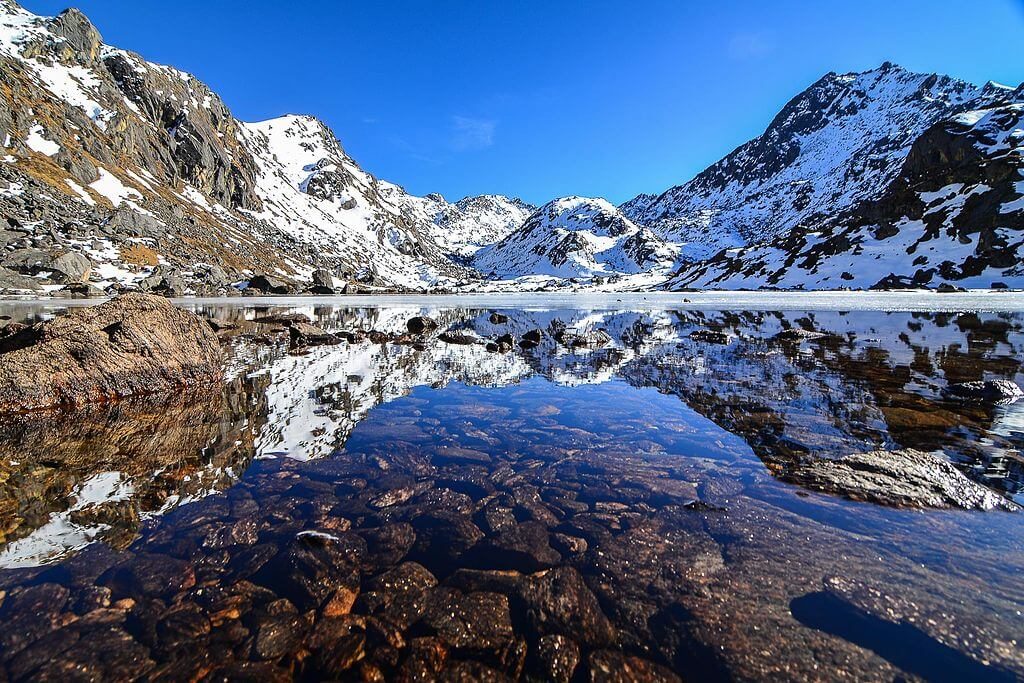
If you want a longer or different experience, there are good alternative routes in the Langtang region. The most popular extension is the Langtang Gosaikunda Helambu Trek. This connects the Langtang Valley with the sacred Gosaikunda Lakes and finishes in the Helambu region. It requires just 10–14 days at most, which makes it a viable option. Apart from being an appreciated addition to the Langtang Valley trek, this route is more challenging as well. You’ll have to move to higher elevations and endurably trek through traditional villages and hilly trails.
The Tamang Heritage Trek is another option. This is ideal for trekkers who want to focus on cultural experiences. This shorter route takes you through traditional Tamang villages, hot springs, and terraced fields, with fantastic views of the Langtang range. When you go in November, you’ll find the tea houses available at all times, and most importantly a safe trail conditions.
Can I Do Solo Langtang Trek in November?
Yes, it was possible to do Langtang Trek solo, and many independent trekkers use to choose this option. However, after the Nepal Tourism Board (NTB) official update of April 2023, it is ruled that the trekking journey must be accompanied by a licensed guide and a registered agency.
Please understand that, even if solo trekking was possible, the risk would be too high. If you got caught by altitude sickness, you’ll be on your own. So, this rule is not just a restriction, but a necessity for every trekker trekking in the Langtang Valley.