
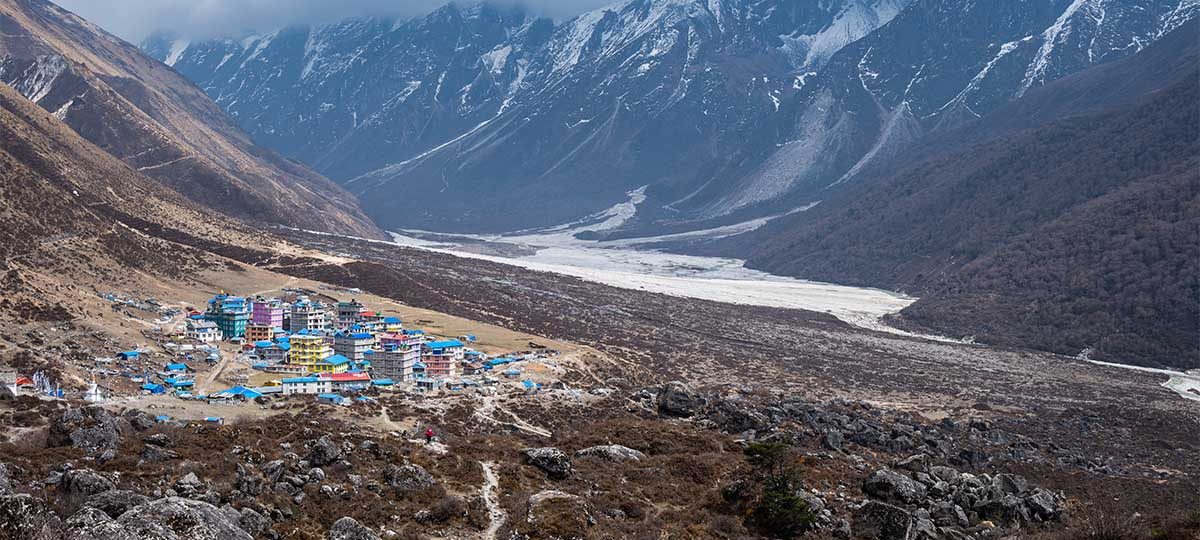
The cost of the Langtang Valley Trek is essential to anyone planning to travel to this magnificent region of Nepal. Several costs are unavoidable while trekking in the Langtang area, including permits, guide and porter costs, accommodations, food, transportation and equipment.
On average, it normally costs around US $700 per adult for a comprehensive 10-day package. The cost basically varies depending on several factors such as trek duration, inclusions, quality of services, trekking season, comfort level and more. Therefore, the cost you pay is about the quality, safety and convenience of the trekking experience.
Understanding the cost of the trek is important because it allows you to plan and avoid unexpected financial strain during the journey. Trekking in high altitude areas such as Langtang comes with rapidly changing conditions where being under budgeted may compromise comfort and safety.
Having a budget lets you afford emergency medicines, travel insurance, upgraded gear and even extra options like hot showers or accessing WiFi. Proper budgeting allows flexibility so you can enjoy the journey without feeling the pinch of money constraint. A well-budgeted trek supplements physical and mental preparedness. It prevents last-minute hassles, promotes healthy nutrition and rest as well as facilitates total concentration on the journey.
Why Understanding the Langtang Valley Trek Cost Matters?
Knowledge of the cost of the Langtang Valley Trek is important for any trekker, which directly affects preparation and the experience itself. Trekking in Nepal encompasses a variety of unavoidable expenses. Understanding that will help trekkers plan realistically, avoid financial stress on the trail and experience overall safety and comfort. Without this basic understanding of the costs, you could be forced to make compromises on essential services, have to miss meals, or cut corners on equipment. These could impact health and enjoyment in that particular high-altitude environment.
Knowledge of a budget enables you to make a conscious choice between the various types of packages available. Basic or budget treks usually include shared teahouse accommodation, simple meals and a guide. This suits the needs of a backpacker looking to save money and for whom a little discomfort is not an issue.
In a middle range package, better rooms in teahouses, varieties of meals, licensed guide and porter and some flexibility on the side activities make for a good balance. A luxury trek may come with private rooms, premium meals, a private guide, upgraded transport and additional services such as WiFi, hot shower options. Each of these tiers largely affects the total cost. Thus, being aware of the differences assures that you opt for packages that suit your budget and expectations.
A well-planned budget allows you to handle additional, unforeseen expenses like altitude-related medical emergencies, extra meals at higher elevations, gear replacement, or tipping guides and porters without stress. In addition, it will make the experience of trekking smooth where you will be able to enjoy the scenery, culture, and adventure rather than stress about expenses.
Langtang Valley Trek Cost – Includes
Trekking Permits
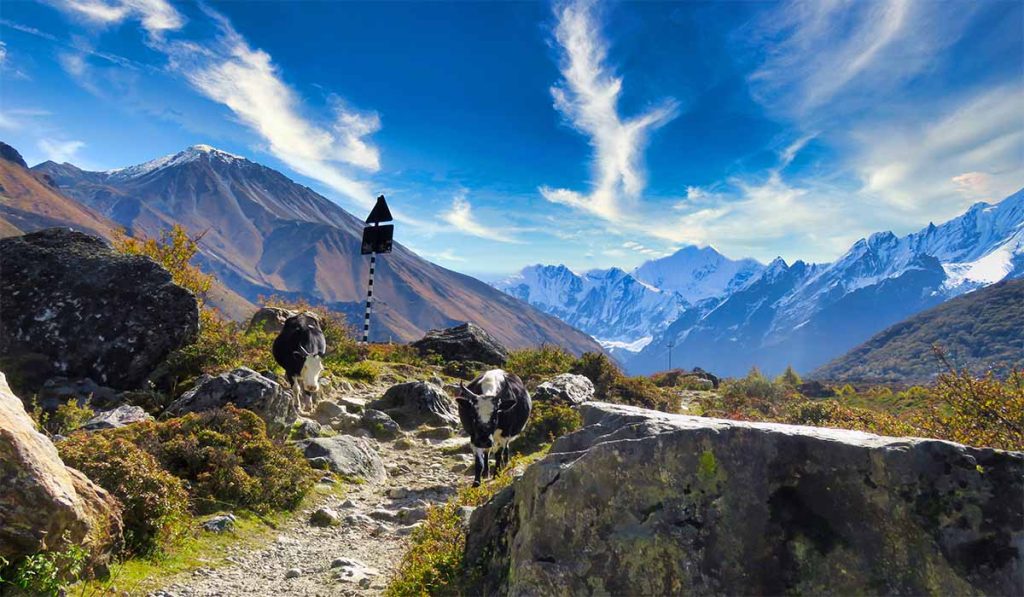
An important component of the Langtang Valley Trek is the cost of the Langtang National Park Entry Permit which is a compulsory prerequisite for every trekker in the park. This permit grants legal entrance into the protected area and allows authorities to control visitor flow, protecting the ecological balance in the region.
This permit for foreign trekkers costs NPR 3,000 (approximately US $25) per head. The permit must be shown at the entrance of the park and at police checkpoints. So, it is essential to carry the permit throughout the trek which also shows that visitors follow the rules of the park and responsible tourism practices.
The funds collected from the Langtang National Park Entry Permit go toward environmental conservation, the maintenance of trails, wildlife protection, and support for the locals residing inside or around the park. It ensures a safe and smooth trekking experience as the trail is maintained and even contributes to signage and litter management.
In other words, the permit cost contributes directly to making the trek sustainable, safer and can help in the long term sustainability of the Langtang Valley ecosystem.
Transportation
The cost of the Langtang Valley Trek generally covers all the important transportation services which will make your journey smooth and comfortable, right from your arrival in Nepal back to your departure. In the majority of our trekking packages, there is a private car or van service for airport pick up and drop off.
The private transfer will help you avoid the trouble of using public transport or getting taxis after your arrival. At the end of your adventure you will be afforded the same comfort as your driver takes you back to Tribhuvan International Airport for departure, completing your journey with ease.
Also, this package generally includes transportation by tourist or local bus between Kathmandu and Syabrubesi, the starting and ending point of the Langtang Valley Trek. Notably, the mountain roads are bumpy and serpentine. Hence, some trekkers prefer the upgrade to a private jeep for a faster and more comfortable ride.
On the whole, the Langtang Valley Trek cost, which includes transportation, generally ranges from between USD $100 and $150 per person, depending on group size, transportation type, public or private, and the level of service. This range reflects both the logistical support and comfort level provided during your journey, so that you will be able to focus entirely on the stunning Himalayan landscapes rather than the travel details.
Accommodation
The Langtang Valley Trek package will offer comfortable and hassle free lodgings in Kathmandu and along the trail via carefully selected accommodations. In Kathmandu, the package usually includes 2 nights at a city hotel in a mid-range 2 to 3 star category that guarantees clean, safe rooms with good amenities.
A buffet breakfast is provided to kick-start your day. In this respect, pre-trek hotel stays are often considered a very fair value. These hotels in Kathmandu generally cost USD 30–50 per night, depending on the season and location.
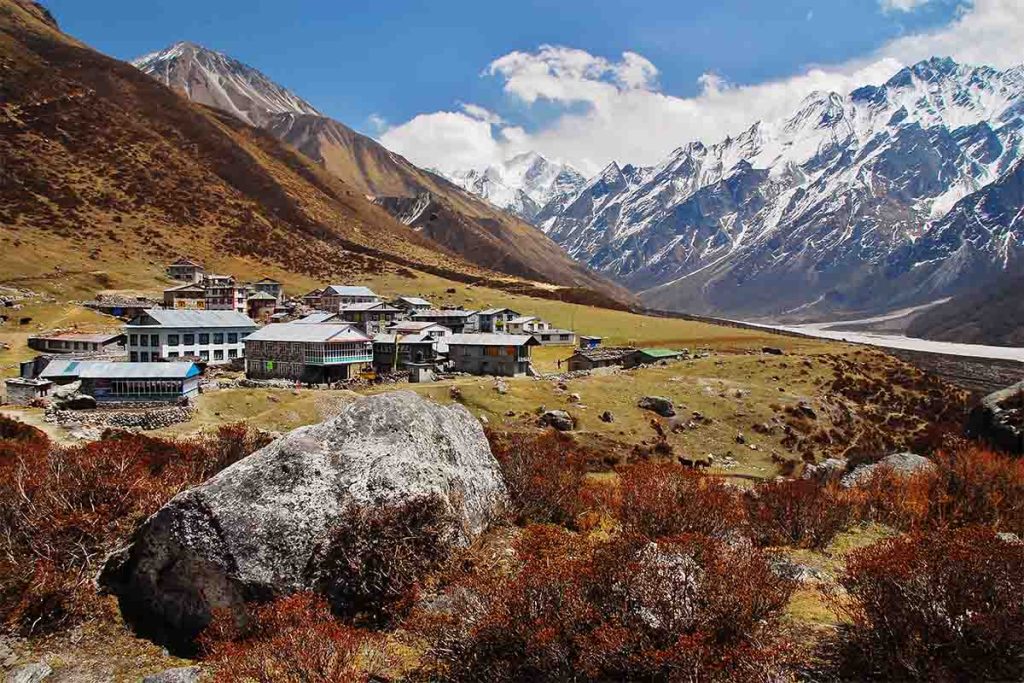
The package offers several nights in the best available guesthouses, mostly in twin-sharing rooms, along the Langtang Valley trail. These are teahouse lodgings, which are basically the standard accommodation for Himalayan treks, offering clean beds, blankets, and basic facilities. Guesthouses under this package are chosen to balance comfort with access, even in remote villages such as Lama Hotel, Langtang village, and Kyanjin Gompa.
Such accommodations usually cost between USD 5–10 per night for basic twin-sharing rooms at lower altitudes. Whereas, they may cost up to USD 10–20 per night at higher-altitude villages, since goods and services have to be transported at much higher cost. By including these guesthouses in the package, the uncertainty of booking along the trail is avoided, and you benefit from the convenience of staying in reliable lodges.

Food
Our Langtang Valley Trek package ensures that you get enough nutrition right from the start of your trek by including all essential meals in Kathmandu as well as along the trekking trail. In Kathmandu, the package covers breakfast for 2 nights at the hotel. Most hotel breakfasts have a wide variety of options that include eggs, toast, cereals, fruits, tea, coffee, and local dishes, which are enough to provide energy in case of early morning travel or sightseeing.
Along the Langtang Valley trail, the package provides three meals a day, inclusive of breakfast, lunch and dinner, at the same teahouses or guesthouses where you stay. Generally, these meals are freshly prepared with local ingredients.
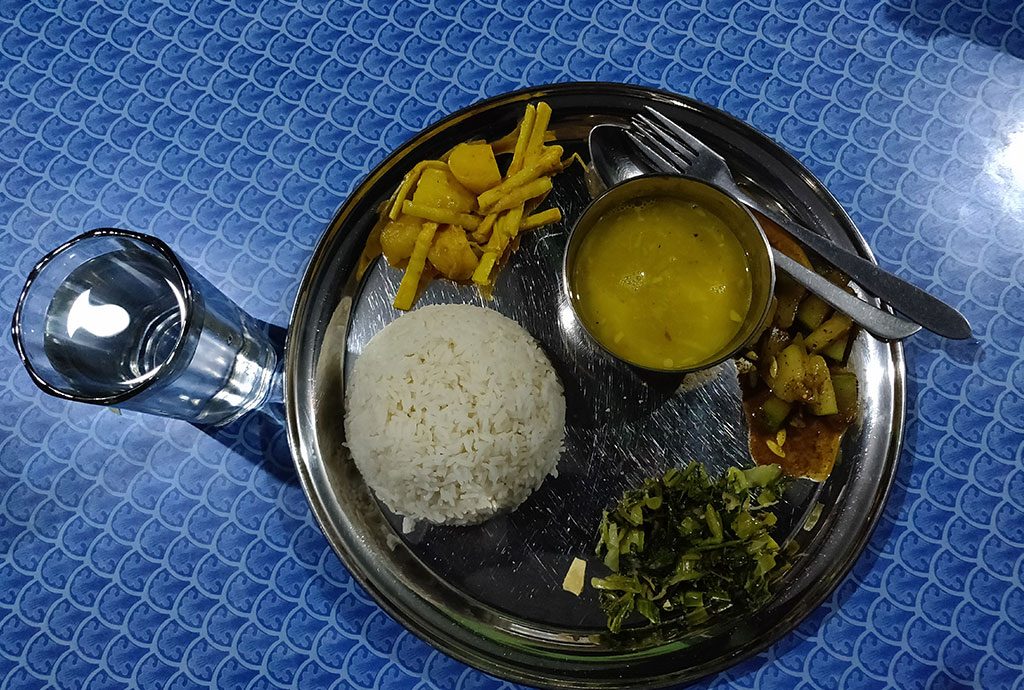
Both traditional Nepali cuisine and some popular Western dishes are generally available. Breakfast often includes porridge, eggs, or toast; lunch may feature dal bhat (rice and lentils), noodles, or sandwiches and dinner includes warm, hearty meals such as soup, rice or pasta.
The typical full-board meal cost range from USD 10–15 per day in the lower-altitude villages to USD 15–20 per day in higher-altitude locations where transport of food items is more expensive.
Overall, the package fare includes most main meals, ensuring that you are well-fed, which in turn reduces stress over meal planning in remote areas.
Guide and Porter Fees
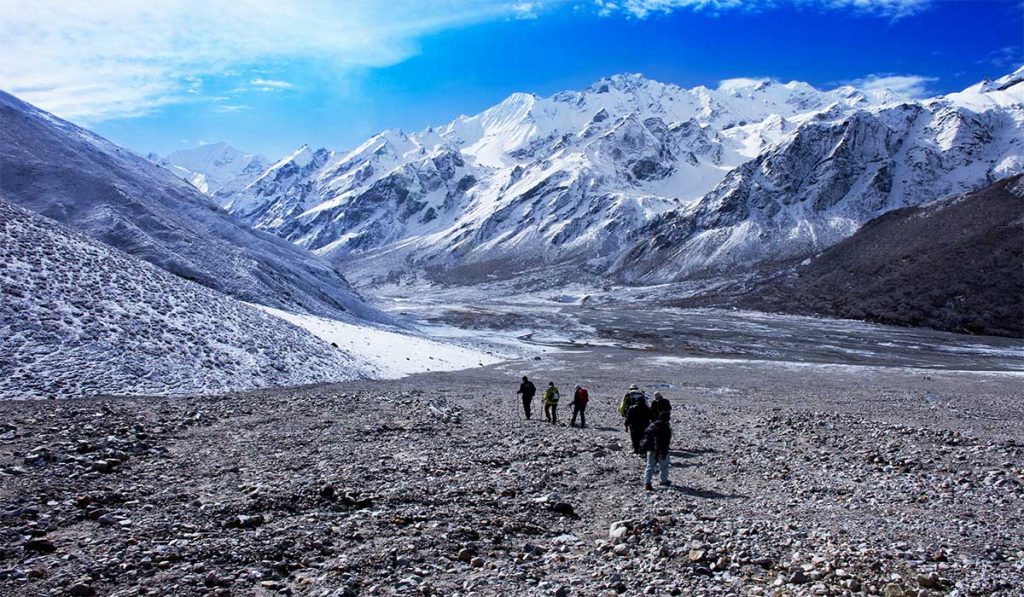
Our Langtang trekking package ensures professional support throughout the journey, with a government-licensed, English-speaking trekking guide. A guide is vital in the provision of a safe and successful trek with insights into the route conditions, local culture, and weather.
Furthermore, hiring a guide eliminates stress from daily route planning, negotiating with teahouses at every stop, and dealing with unexpected situations. The Langtang Valley trek cost per day for a guide would normally cost USD 25–35 depending on the season and experience of the guide.
Besides this, the service also includes porters to carry your luggage around, usually assigned at the rate of one porter to two trekkers. They take the burden of large packs, which are mostly 20–25 kg per person, thus making it easier for you to enjoy the outing freely.
They are skilled, experienced, and usually from local communities, hence your belongings are safe with them. A porter will cost you an average of USD 20–25 per day along with their food, accommodation, insurance and daily wage.
With guides and porters, you can be at ease while on this trek as navigation, carrying the luggage, and other logistical issues are disposed of professionally.
Equipment and Gear Expenses
Safety is of great concern during a trek. A trekker’s first-aid kit usually consists of bandages, antiseptic wipes, painkillers, blister treatment, and medication for basic altitude ailments. The well equipped first-aid kit may cost from $30 to $50. This investment ensures that minor injuries or health concerns can be managed promptly while in remote areas.
We also provide an oximeter that serves to measure pulse rate and blood oxygen saturation. Monitoring oxygen levels helps prevent Acute Mountain Sickness and also gives you the most recent health data for a safer trek. Oximeters are lightweight to carry and very affordable, with prices ranging from $20 to $40.
Cold nights and early mornings are part of trekking in the Langtang Valley. Body heat retention with a high-quality down jacket is essential to staying warm and comfortable. A good sleeping bag rated for below-zero temperatures allows comfort during cold nights in teahouses.
In addition, you will need a duffel bag that can carry all personal belongings with trekking gear. We offer these items for use during the trek, which should be returned afterwards for a minimal fee ($5–$10) to cover cleaning and maintenance.
Langtang Trek Cost – Excludes
Lunch and Dinner in Kathmandu
Our packages do not include lunch and dinner during Kathmandu stays. You are expected to bear your own food expenses while in the city. Kathmandu offers a wide array of food alternatives from budget local eateries to mid range restaurants serving Nepali and international cuisine.
A meal in a local Nepali restaurant would cost $3-$6 approximately while a meal in a mid-range restaurant will cost about $7-$15 per meal. For 2-3 days in Kathmandu before or after the trek, it is good to budget around $20-$50 for your meals, depending on your choice of eating.
Your Travel Insurance
Travel insurance offers protection against various unfortunate circumstances that may strike, including medical conditions, altitude sickness, accidents, cancellations of flights, or loss of baggage. Your policy must include emergency helicopter evacuation which is a critical safeguard since evacuation from remote mountain areas may cost upwards of $1,000 to $3,000 or even more.
You should verify with your insurance company that the policy covers trekking up to 5,000 meters. Comprehensive travel insurance for two- to three-week treks generally ranges from $50 to $150, depending on your age, coverage limits, and insurance provider.
International Airfare
International airfare to and from Nepal is not included in the cost of the Langtang Valley Trek package. The cost of airfare depends a great deal on where you are coming from, when you travel, and how far in advance you book your ticket.
On average, a return flight to Kathmandu Tribhuvan International Airport (KTM) from major cities in Europe or North America costs between $800 and $1,500 and flights from nearby Asian destinations like India, Thailand or the UAE cost between $300 and $700.
Moreover, it is important to note the airport departure tax, usually included in the price of an international air ticket. Sometimes, especially for domestic flights inside Nepal, a small amount as a departure tax of $2–$5 will be collected at the airport counter prior to boarding.
Personal Expenses
Personal expenses are not included in most of the Langtang Valley trek packages and can vary wildly depending on your habits and preferences. Drinks, both alcoholic and non-alcoholic, are among the most common extra expenses.
Bottled water, soft drinks, tea, and coffee become increasingly expensive with increased altitude and can cost anywhere from $1 to $2 at lower altitudes to $3 to $5 in the higher mountain villages. Alcoholic beverages can cost between $5 and $10 per bottle. These are best avoided at high altitude due to increased risk of dehydration.
Other personal expenses include laundry and personal gear. There are laundry services in Kathmandu and some of the teahouses along the way. Costs are variable by location but generally range from $1–2 per item or $10–20 per load.
If necessary, purchase or rent any personal trekking gear such as down jackets, sleeping bags, trekking poles, gloves, or gaiters. Rentals in Kathmandu cost from $1 to $3 per day per item, while new purchases could be from $50 to $200 or more, depending on the quality.
How Much Does it Cost to Trek in Langtang? – Independent Trek vs. Organized Trek
On the cost front, independent trekking can save money as long as you stay in budget lodges, carry your own gear, and manage your itinerary efficiently.
In contrast, an organized trek bundles most logistics into a package. Although the upfront cost is a bit higher than that of a no-frills independent trek, organized packages offer professional support, pre-booked accommodations, and pre-planned emergency provisions, which may be priceless in high-altitude or distant areas for trekking.
Ultimately, it all depends on your experience, comfort level and desires to choose between the two. Basically, independent treks save cash for quite experienced trekkers who can sort out logistics and emergencies themselves. While organized packages present convenience and safety, they justify the extra cost to most beginners.
For places such as the Langtang Valley with altitude and terrain posing risks you may find that paying a little more for a guided package provides assurance of professional support and smoother planning.
Langtang Trek Nepal Cost – By Seasons
Trekking costs are significantly influenced by the time of year. Basically, there are two primary seasons for trekking: pre-monsoon (spring, March–May) and post-monsoon (autumn, September–November).
They offer stable weather, clear skies and the best conditions on the trails. In that respect, it means accommodation, flights, permits and package rates are generally higher during these months. This is because of the higher demand for guides, porters, and teahouse places.
The costs are lower in off-peak months, such as in the monsoon (June-August) or winter (December-February). You will generally get the discounted package deals since the logistics such as flights, accommodation etc become cheaper. These off season treks come with some trade-offs such as heavy rainfall or snowfall, closed trails, poor lodge services etc. While it saves money, you have to ultimately weigh cost savings against comfort and safety challenges.
Also, hidden costs of things like gear rentals and emergencies vary with the season. Winter might require warmer sleeping bags, down jackets or snow and ice-rated trekking boots, while during the monsoon, rain gear, waterproof bags, and other protective gear might be a necessity.
Knowing the impacts of the season helps you plan both the budget and logistics with accuracy in order to conduct the trek safely and enjoyably while minimizing financial surprise moments.
Hidden or Unexpected Costs to Watch Out For
Even when you budget for a trek, there are several hidden or unexpected costs that can arise and increase your expenditure. Extra accommodation and meals are good examples.
Delays due to weather, poor acclimatization, or flight rescheduling may be a reason to be forced to stay extra nights at teahouses or lodges, often not included in the original package. These seem like small sums but they tend to add up over a multi-day trek.
Other important expenses include the costs of emergencies. Even if you have travel insurance, medical emergencies, such as altitude sickness, small injuries or food-borne illnesses, may necessitate doctor consultations, medication or evacuations.
Besides, additional gear or special clothing and other minor personal expenses, like hot showers, charging devices, internet access or snacks can add up to the cost. A little extra budget and planning in advance can help reduce the financial stress of the trek.
Tips to Reduce Your Langtang Trekking Expenses
- The cost of packages and accommodations is lower during monsoon and winter trekking although trails are less accessible then.
- Book flights and transport early.
- Consider an independent trek. Doing all the permits, transport and accommodation arrangements yourself can result in a price less than that of a trip with a fully guided service.
- Stay at teahouses where basic accommodation and meals are provided.
- Think about renting gear like sleeping bags, down jackets or trekking poles instead of purchasing them.
- Bring in snacks and water purification to cut down on dependence on expensive packaged snacks and bottled water that are found higher up on the trail.
- Additional activities such as culture tours, hot showers, use of the internet, or helicopter flights are added costs, so try to limit these.
- Compare different insurance policies in order to have proper coverage for high altitude trekking.
- Wherever possible, negotiate services. Local transportation or porter hiring can be negotiated if booked directly.
- In group treks, the costs of guides, porters and transport are shared, which reduces the cost for each trekker.
- Limit electronics use as charging them often at lodges may be costly.
- Instead of imported or packaged food, which is costlier, always go for local dishes.
Also Read: