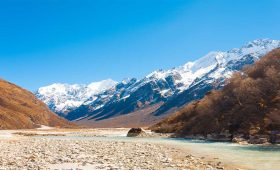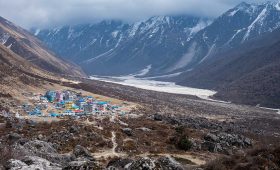

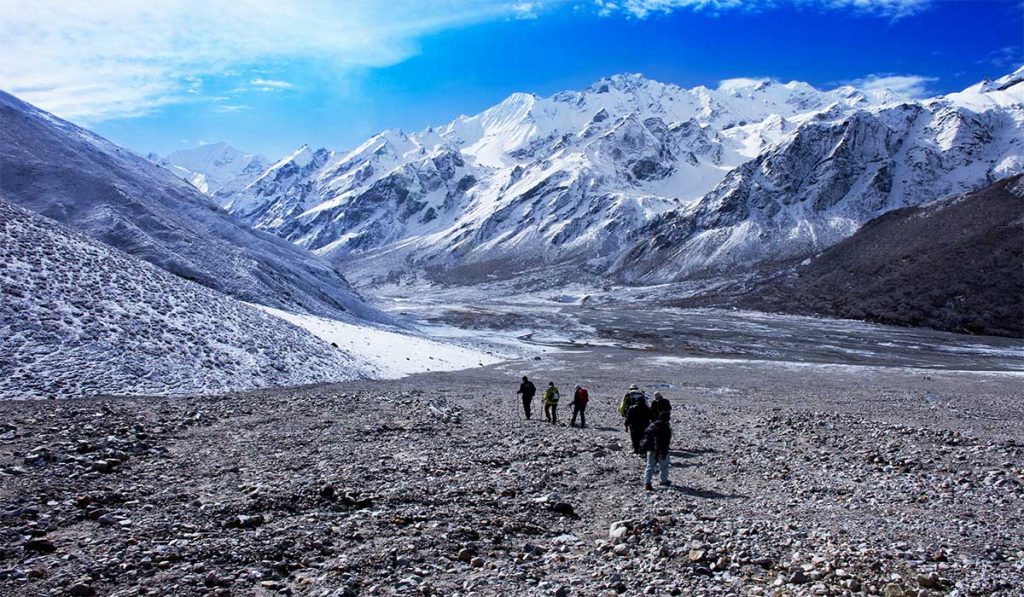
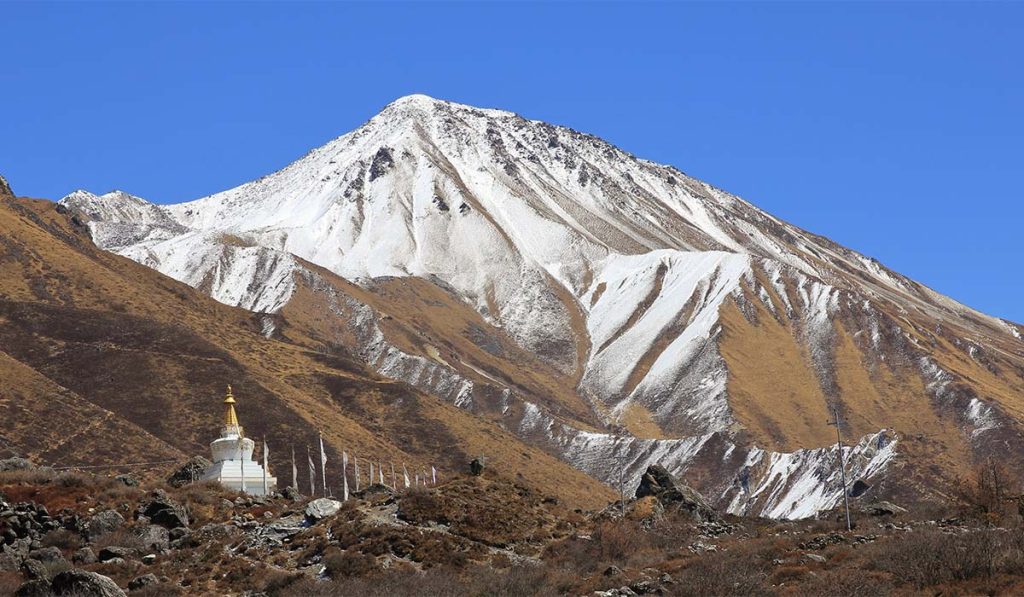
The Langtang valley trek is considered one of the most beautiful Himalayan journeys of Nepal. You get to see the view of high altitude views of spectacular mountains, lush green forests and rich local culture. Hiring a guide and porter is highly recommended to get the best out of this trek.
A licensed guide will add to safety and comfort on the trail. Knowledge about routes taken, early signs of altitude sickness, sudden changes in weather conditions and landslide areas is dealt with by them. They also offer insights into the culture: stories about local customs, wildlife and environmental issues are shared.
The porters make it a lot easier on the physical side of the trek. They carry heavy luggage by enabling you to focus more on scenery, photo shooting and enjoy the journey without unnecessary overexertion. Experienced porters know mountain trails, as you help to manage minor health issues by making your trek safer and more comfortable.

You can hire through a reputable travel company like Base Camp Adventure that ensures staff are trained and licensed, insured, paid fairly and trekking practices are ethical. You will also get logistical support such as permits, accommodation arrangements and emergency planning.
Guides and porters together make the Langtang Trek smooth, memorable and enriching. They’ll turn an adventurous, challenging expedition into a safe, unforgettable journey right in the heart of the Himalayas.
Why Hire a Guide for Langtang Valley Trek?

More than a convenience, hiring a guide for the Langtang Valley trek has become obligatory and greatly enhances the safety and enjoyment of your journey. It is now mandatory under the Nepal Tourism Board and Langtang National Park that all foreign trekkers either travel with a licensed guide or as part of a group since April 1, 2023.
This regulation aims to protect trekkers, reduce the number of accidents and ensure quick assistance in case of emergencies, especially in remote mountain areas. Ignoring this rule may lead to fines, restricted access, or serious difficulties if problems arise.
The different challenges that happen in the Langtang trail are steep climbs, narrow paths, landslide-prone sections and sudden weather changes. A guide will ensure that you navigate these safely. They are conversant with the route in detail and can divert you to safe paths whenever there is a need for it. Guides monitor your health for the initial signs of altitude sickness and help you pace yourself to acclimatize properly.
Guides are trained for such eventualities and can arrange for rescues, notify the authorities and even arrange helicopter rescues in places where there is insufficient mobile service. Besides the safety aspect, guides enhance your experience in the regional wildlife, such as red pandas and Himalayan black bears and ensure the encounters are safe.
Essentially, a guide does much more than show the way. They are supposed to be your protector, support system and cultural interpreter who enables you to enjoy the trek without extra stress. In this case, hiring a guide means being in compliance with the regulations while allowing you to have an even safer, more comfortable and enjoyable Langtang adventure.
Why Hire a Porter for Langtang Trek?
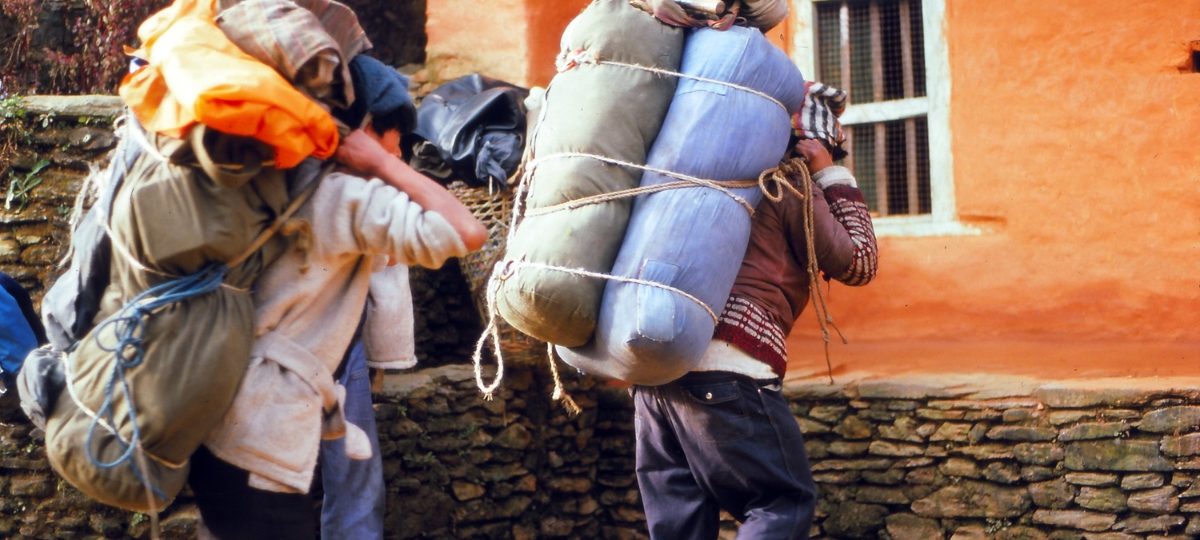
Hiring a porter will definitely make your Langtang trek more enjoyable. Besides leaving your shoulder free, they make your trekking much safer and highly comfortable. The porters will carry the main luggage, weighing about 20 to 25 kg, whereas you carry only a light daypack with things like water, snacks, and a camera. Traveling light helps you conserve energy on steep or high-altitude trails and lets you focus on the stunning landscapes around you.
They also increase safety due to experience in mountain trails and weather patterns, along with altitude conditions. They are able to assist in tricky sections, prevent injuries and even recognize early signs of altitude sickness. More than physical support, they provide local knowledge. Be they are limited in their English, they share insight on culture, traditions and the environment, affording you a deeper level of connection to the region.
Besides, hiring a porter also means giving local families a fair wage, hence contributing to the community’s well-being. They can handle all logistics, search for lodges and handle gear so that one can fully enjoy the trek without any ache over minute details.
A porter does more than carry your load: they provide safety and guidance and a meaningful link both to people and the natural beauty of Langtang.
Difference Between Guide and Porter
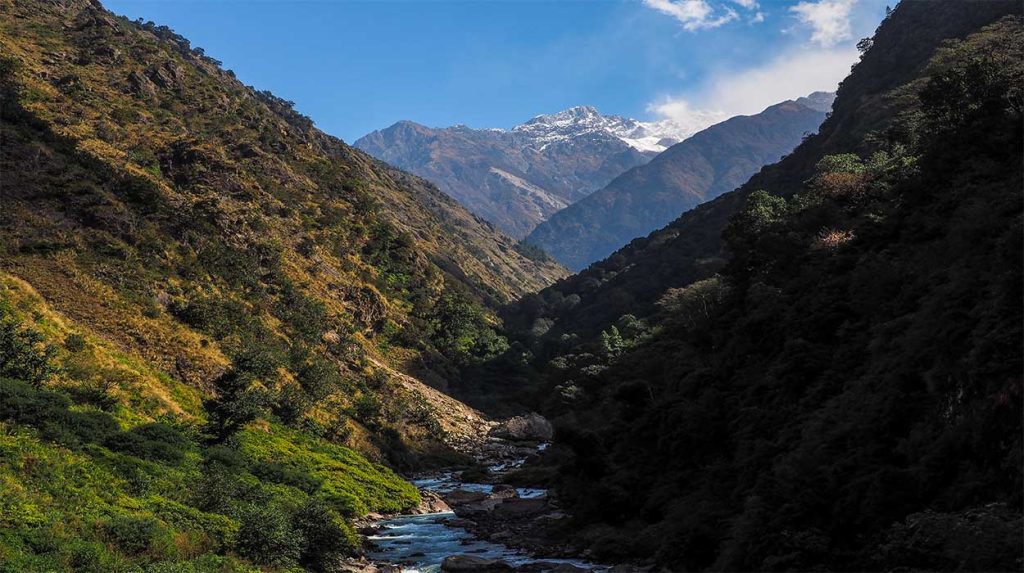
Guides and porters are both equally important during trekking in the Himalayas here in Nepal, but they hold different roles and responsibilities. Usually, leading and managing the whole group of trekkers is the main responsibility of a guide. They also plan the route, navigate the trails, ensure trekkers’ safety and provide information on the landscape, culture and local customs.
Guides are specially trained to handle emergencies, monitor altitude sickness and better understand different weather patterns. They also share information about local flora and fauna. Communicate with local people, arrange permits and quite often work as translators between the trekkers and locals. Their expertise in natural history enhances the trekking experience and on unfamiliar or challenging trails, guides are indispensable.
Porters will commit to carrying the physical load: that means luggage, equipment, supplies and lightening the load that trekkers must bear so that trekkers are able to move better and enjoy their trip. While usually porters know the terrain they pass through, navigation and leading the group normally belong to others.
It’s a very physical occupation, often involving heavy loads across steep or difficult paths. Porters support the group’s pace and endurance by handling gear and supplies, thus playing a very important role in the smooth running of a trek.
Essentially, the distinction is a matter of function: guides lead, manage and educate while porters carry and support physically. Each is important in its own right to the success of the trek. Trekkers have much to respect and appreciate in each other as professionals whose combined efforts assure a safe, enjoyable and memorable trekking experience.
Cost of Hiring Guide and Porter for Langtang Trek
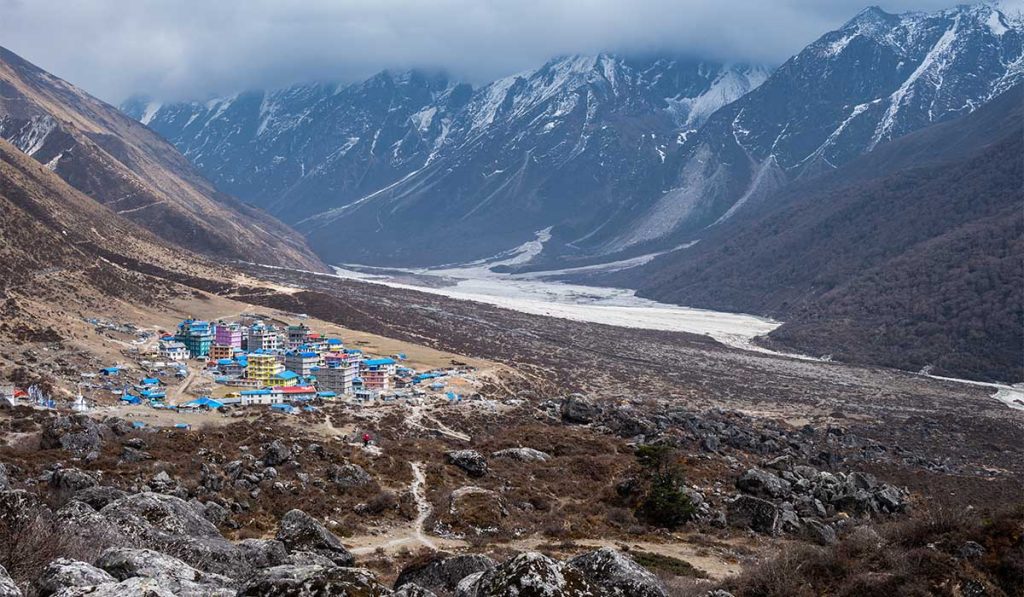
You can hire a guide for the Langtang valley trek, which can generally cost about $25 to $40 per day. But a porter can cost anywhere between $15 to $25 per day. These rates usually include meals, accommodation and insurance also. Some agencies may take some extra charges for highly experienced guides, female guides, or peak seasons.
Make sure you hire through a reputable Kathmandu agency like ourselves here at Base Camp Adventure. We make sure your insurance, proper gear and reliable service are available. We even take into consideration your personal requests, like extra luggage, customized itineraries or specialized support, which will increase the cost.
Tipping at the end of the trek is quite customary here in Nepal. Generally, $50 to $100 for guides and $30 to $50 for porters if offered. Overall costs depend on trek length, daily rate and personal requirements. Having said that, it can be adjusted according to your personal choice.
Factors That Affect Guide and Porter Rates
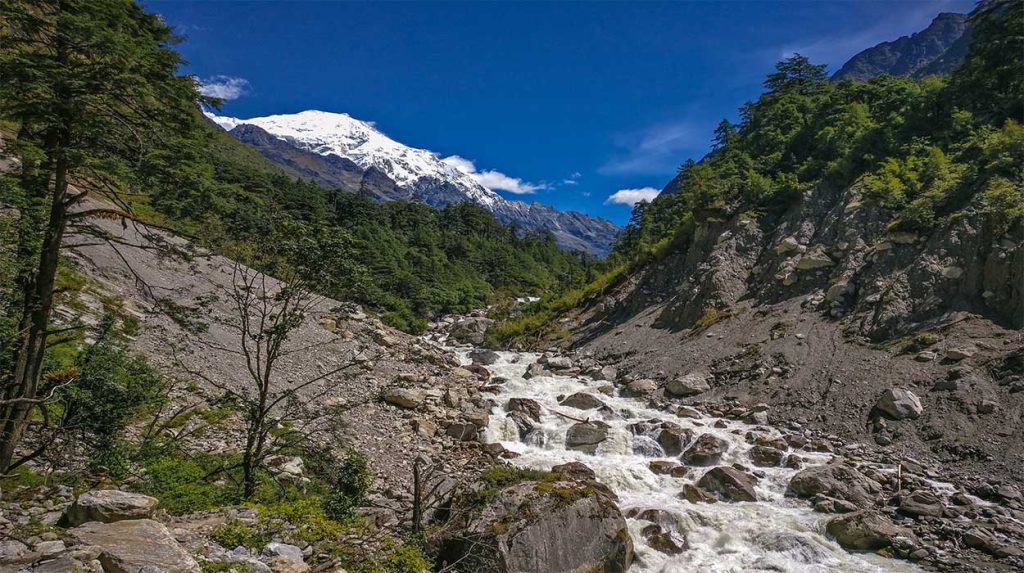
Hiring a guide or a porter for your trek can indeed make your journey much safer and more enjoyable. The cost does vary. Here are the basic factors that affect their rates:
Season and Demand
- Busy Seasons: Prices go up during the spring and autumn seasons, when more guides and porters are needed for the many treks.
- Quiet Seasons: In the off-season, like monsoon or winter, rates can be lower. Sometimes, for experienced guides, charges may be higher due to difficult trekking conditions.
Experience and Skills
- Experience Matters: Guides with lots of experience are safer and better at handling emergencies, so they cost more.
- Special Skills: Guides may also provide extra for those speaking multiple languages or knowing first aid; similarly, porters with basic English can also command extra too.
- Licenses Count: Licensed guides undergo formal training and usually command higher rates than those unlicensed or who work as freelancers.
Trek Details
- Length of Trek: Longer treks are more expensive overall, although per-day costs may be slightly cheaper for longer trips.
- Difficulty and Altitude: Harder treks, high-altitude routes, or technical climbs are more expensive since the risks and efforts are greater.
- Remote Locations: Treks to faraway, restricted areas such as Upper Mustang or Dolpo are costlier due to permits, transport, and limited facilities.
Hiring Options
- Agency vs. Freelance: Agencies may be more expensive, but they include salary, food, accommodation, and insurance. Freelancer guides will be cheaper, but you will have to handle their care yourself.
- What’s Included: Some rates are only for salary and food, while full packages take care of all the logistics.
- Ethics and Tipping: Fair treatment, proper weight limits and wages are part of ethical trekking. Tipping is extra and shows your appreciation.
Local Economy
- Cost of Living: Local wages, inflation, and living costs impact guide and porter rates.
- Currency: Payment in local currency is common; however, US dollars or other major currencies are usually acceptable.
Things to Check Before Hiring
- Make sure the guide is licensed and experienced enough to navigate you safely, and in case of an emergency.
- Check the physical fitness of the porter and their acclimatization with higher altitude load carrying.
- It will be essential to establish what is included on the island and what is not before the journey even begins.
- Explain whether personal requests like extra luggage or personalized support will entail extra costs.
- Ensure the guide or porter speaks enough English to communicate and provide basic assistance.
- Also consider their reputation and reviews, using recommendations from agencies or previous trekkers who have used them.
Customizing Services: Extra Support Options
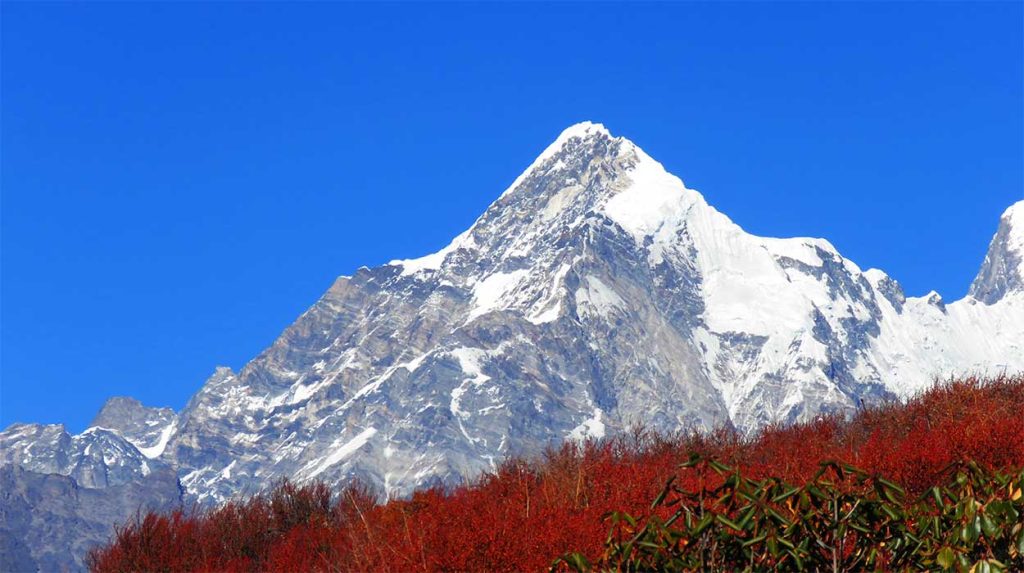
Guide and porter services can be adjusted to fit your personal needs, comfort and interests. Beyond simply showing the route or carrying your bag, many professionals offer extra support that can make your trek safer, smoother and more meaningful.
Specialized Skills and Knowledge
To begin with, some guides have unique expertise in areas such as local culture, history, wildlife, plants, birdwatching, photography or mountain geography. If you want deeper insights into the environment or community, hiring a specialist guide can enrich your experience.
In addition, many guides speak multiple languages. Those who prefer clear communication in French, Spanish, Japanese, Chinese, German, or other languages can request a language-specific guide at an additional cost.
For safety, some guides also train in advanced first aid, wilderness medical support, or high-altitude emergency response. Support of this nature can be especially reassuring on long or remote treks.
Comfort, Logistics and Convenience
If you want guiding support and bag carrying but have a limited budget, a porter-guide is a great option. This person can both navigate the trail and carry a lighter load by giving you support without hiring two staff members.
Many treks also include full organization support. For example, guides can handle tea house bookings, manage food orders and take care of check-ins, so you don’t have to worry about logistics during the journey.
For transportation, some services can arrange private jeeps, local flights or even manage helicopter rescue coordination if needed. Similarly, if you want a more personal trekking route, guides can create a flexible plan, like visiting local villages, homes or monasteries. You can even adjust the daily walking distance based on your energy level.
You can also find support for renting trekking gear like sleeping bags, down jackets and trekking poles, which is helpful if you don’t want to carry extra equipment from home.
Extra Care During the Trek
For camping treks, guides and porters can handle tent setup, cooking and meal preparation, ensuring you stay well-fed, warm and comfortable even at high altitudes.
Many trekkers also appreciate a personalized pace. Guides can slow down for acclimatization, add breaks for photos or adjust the speed based on how you’re feeling each day.
Solo and female trekkers can request experienced female guides for added comfort and confidence on the trail. This option creates a supportive and safe trekking experience for those who prefer it.
While basic first aid is commonly provided, some teams do offer stronger emergency response support, such as rapid evacuation planning and reliable rescue networks to which one can turn in case a serious situation arises.
Responsibilities of Guides and Porters on the Trail

Guide Responsibilities
- Leads the trek by showing the correct trail so that the group doesn’t get lost.
- Keeps an eye out for everyone’s health, especially for the altitude sickness
- Provides basic first aid whenever required
- Manages emergencies that can assist in arranging a rescue if needed
- Books tea houses, meals, permits and transport along the route
- Explains local culture, traditions, mountains, nature and history.
- Helps communicate with locals if there is a language barrier
- Sets a comfortable walking pace for the group and plans rest stops
- Make sure everyone acclimatizes properly at higher altitudes
- Encourages eco-friendly trekking, like carrying trash and protecting nature
- Motivates and supports trekkers during tough sections
Porter Responsibilities
- Lighten the burden by carrying the main bags, equipment, gear and supplies
- Follows safe weight limits, usually of about 20 to 30 kg by depending on rules.
- Treks with strength and endurance with even on steep and high trails
- Often walks ahead to ensure luggage reaches the tea house on time
- Supports the team members by following the guide’s instructions.
Why Hire Through Base Camp Adventure?
At Base Camp Adventure, we believe that great treks start with the right people. When you hire your guide and porter for the Langtang Valley Trek through us. You not only choose a package, but you also choose safety, local expertise and truly personal care backed by over a decade of experience in trekking.
Established in 2009 and based in the heart of Thamel, Kathmandu, we are a fully registered Nepali trekking company and proud member of TAAN, committed to responsible, trustworthy travel.
Our team is our biggest strength. Most of our guides and porters come from Nepal’s mountain regions. They’re trained to handle trail navigation, altitude awareness, changing weather and local logistics with confidence. Because they know the Langtang region like home, you get more than just directions. You can listen to real stories and gain insight into a deeper cultural connection of the region.
With safety and comfort at the core, we plan every trek while keeping the journey flexible to fit your pace and preferences. We handle everything from permits and transport to 24/7 support and on-trail assistance so you can trek without any stress.
Your journey with us supports not only local livelihoods but also follows some guidelines of ethical trekking practices. It’s an authentic Himalayan experience, carefully crafted, expertly led and remembered for a lifetime.
Tips for Hiring Reliable Trekking Support
- Start by choosing a licensed guide or registered company, because this ensures you’re trekking legally and safely.
- Then, find yourself an experienced guide or other proficient trekker who knows the Langtang region to avoid unnecessary problems on the trail.
- Also, take a minute to read recent reviews, since real experiences tell you more than advertisements.
- Most importantly, ask if they understand first aid and altitude safety, as mountains can get unpredictable fast.
- Next, it’s time to confirm which services they cover and thus avoid surprises in terms of costs.
- Besides that, pick a partner who communicates well, since this makes planning and trekking much easier.
- Meanwhile, check the porter loads, keeping them within safe limits because ethical trekking protects the team too.
- Besides, ensure that the team is properly insured, so that in case of any mishap, everybody gets covered.
- Make sure you pre-approve the price and make all your needs explicit right at the start-so there won’t be any rush at the end.
- It also helps if they have shared some backup plans in case of bad weather or a change in trails, for flexibility is important in the mountains.
- Trust your instincts while talking to them, as your comfort starts long before the trek begins.
- Finally, where possible, select a team that supports local communities, and in so doing, your adventure helps the people who call these mountains home, too.