
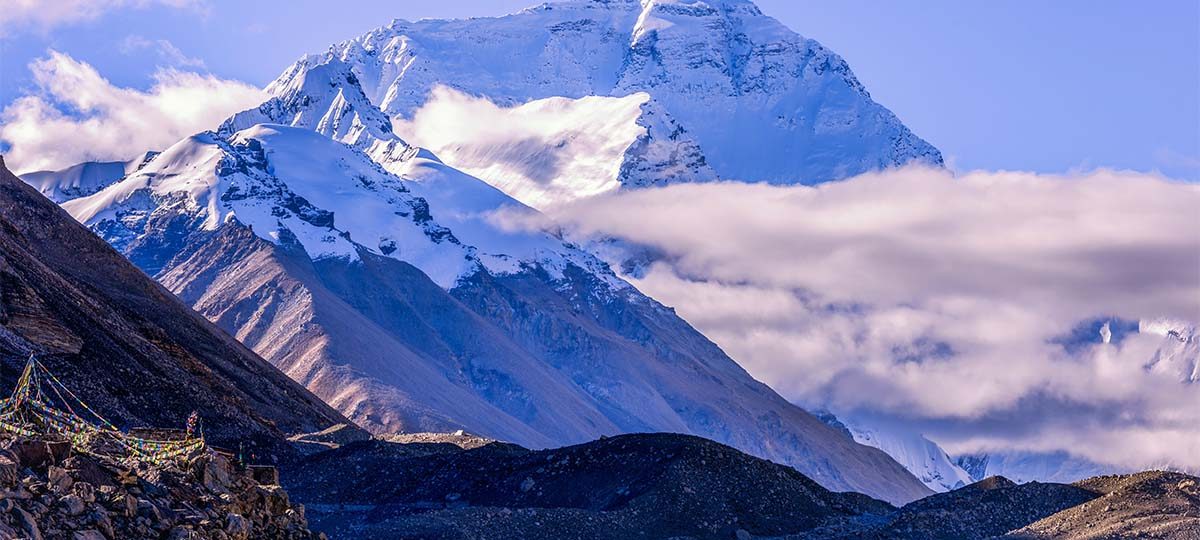
March is the best time for the Everest Base Camp Trek. In this first month of the vibrant spring season, the weather is usually calm. So, you will have a comfortable navigation at the high altitudes. Clear skies are common which offer uninterrupted and striking views of snowclad peaks, enhancing your overall sightseeing experience.
In March, you can witness beautiful views of green valleys, pine and rhododendron forests and wildflowers decorating the hillsides, which is truly fascinating. Furthermore, the trekking trails are dry and well defined in March. It makes walking easier and safer. So, you can just focus on experience without any worries about weather related disruptions.
Trekkers consider this month a fantastic time to explore the majestic Himalayas. The landscapes in March are stunning. The snow from winter begins to melt in this month, bringing warmth to the Khumbu Region.
The air in March is cool and fresh. Lower elevations feel pleasantly warm during daytime. While higher sections remain crisp, layering your clothing helps you stay secure and comfortable throughout the journey.

The daylight hours are longer in March. So, you will have plenty of chances to enjoy the Himalayan scenery at a relaxed pace. You can snap photos, enjoy the views and navigate the varied terrains comfortably without rushing.
In this peak trekking month, the trails are accessible, views are beautiful and the weather is ideal for exploration. For anyone wishing for a memorable experience with clear skies, blooming landscapes and ideal trail conditions, March is one of the best months to embark on the EBC trek and fully enjoy the Himalayan scenery.
Everest Base Camp Trek in March: Major Highlights
- Moderate and Pleasant Weather that is perfect for exploring Khumbu Region’s trails.
- Unparalleled visibility with long daylight hours which provides you a chance for a leisurely exploration.
- Trails and hillsides full of rhododendrons and other different blooming wildflowers.
- Well defined and favourable trekking trails.
- Optimum period for photography treks.
- Clear views of Khumbu Icefall and glaciers.
- Surreal sunrise view from Kala Patthar and other different viewpoints.
- Exciting adventure through the Sagarmatha National Park, feeling the spring vibes and rejuvenating ambiance.
- Sharp views of Everest (8848.86 m), Ama Dablam (6,812 m), Thamserku (6,623 m), Cho Oyu (8,201 m) and many other nearby snow clad peaks.
Everest Base Camp Weather in March
March is considered an ideal month for the Everest Base Camp Trek. During this spring season, the weather is clear and generally on the stable side. So, your trek becomes much easier and enjoyable
The trails in March are usually well defined and easier to navigate since heavy snowfall or rain is unlikely. The daytime temperatures of the Khumbu Region, especially of the lower sections of trails, are perfect for leisurely exploration.
While lower altitudes are pleasant and mild, the higher elevations still can be cold, so carrying warm layers is advised for comfort. The stable conditions also mean a lower likelihood of weather related disturbances which allows you to keep pace on the trail.
The clear skies of March present amazing Himalaya views. The month is known for offering a safe and predictable window. So, you can finish the trek without weather delays. This allows you to savor every step of the journey while enjoying beautiful landscape views that make Everest Region trek truly joyful.
Everest Base Camp Temperature in March

March is the start of spring, with cooler air. In the daytime, the temperature can range around 5°C to 10 °C. The daytime is mostly sunny. So, you will have great time while exploring the Khumbu region’s vistas.
Everest Base Camp trek temperatures in March can vary between mornings, days and nights. However, you will mostly be trekking during the daytime and it is quite comfortable and warm as the sun is up.
At higher sections, the temperature can drop up to -10°C. However, with cozy layers and warm sleeping bags, the cold is manageable and you can stay safe throughout the journey.
What are the Trail Conditions Like During Everest Base Camp in March?
The trails of Everest Base Camp in March are dry which is considered favourable for navigation. The chances of heavy snowfall or sudden downpours are less. So, the trails are well defined and more comfortable to traverse.
This provides trekkers higher degree of comfort while navigating without too much concern for slippery or loose sections. In addition, the stable weather and pleasant daytime temperatures make exploration pleasant.
March also offers exceptional visibility. So, you can enjoy the stunning views of the Everest region’s landscapes. In short, dry and favourable trail condition during March allows you to have a secure and enjoyable experience through diverse landscapes of Khumbu Region.
Everest Base Camp Trek in March: Scenery

The Everest Base Camp trek in March rewards you with stunning scenery. The high-altitude air is clear and refreshing. You will get rewarded with stunning vistas of snow-clad mountains, Everest, Lhotse, Ama Dablam and many other surrounding ranges all sparkling in the warm sunlight.
The weather is typically stable with crisp air. The cloud cover is also minimal. So, you can admire clear views of the Khumbu Region terrains. The visibility is unparalleled and you will get to appreciate every ridge, glacier, and snow capped peak.
The path takes you through valleys of vividly colored prayer flags and ancient stone villages, such as Namche Bazaar and Tengboche. It stands out against the vivid blue sky.
March also showcases the first signs of spring in the region. At the lower sections you can see mesmerizing sight of the trail turning colorful because of rhododendron forests and wildflower blooms.
The flowers blooming look beautiful with snowy peaks in the backdrop. In addition, the cooler and cleaner air and increased daylight hours make the trek easier and more pleasant, allowing trekkers to spend more time stopping and admire the view at different sections.
At high altitudes, the nearby glaciers sparkle in the sunlight and the views of Everest and the surrounding ranges are striking.
Thus, March is perfect month for trekking especially for those who wish to witness the beauty of the Everest region in its best form.
How the Moderate Weather of March Ensures A Delightful Adventure in the Everest Region?
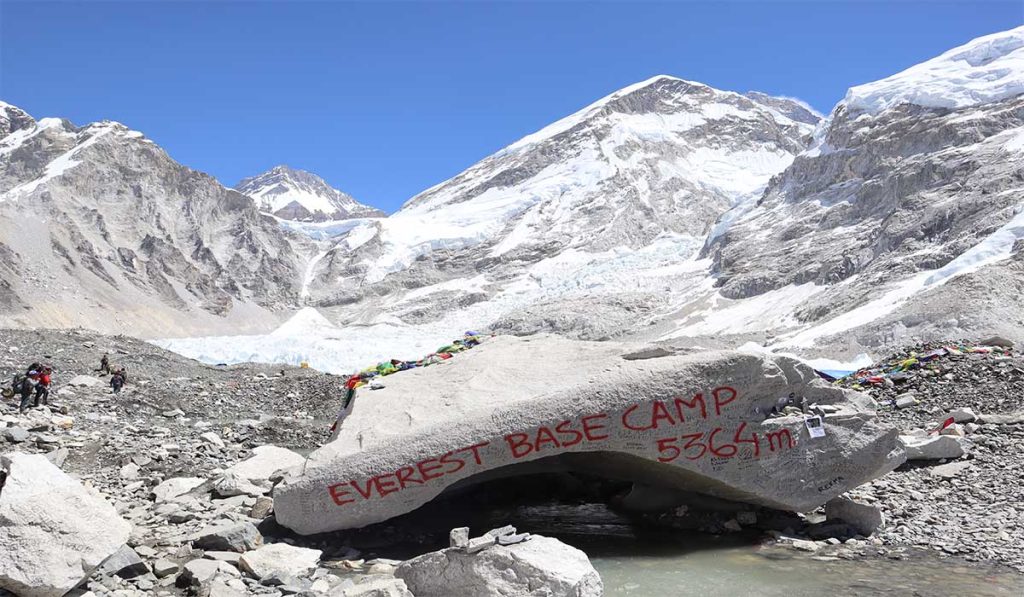
March is one of the ideal times to visit the Khumbu region. It has moderate day time temperatures and refreshing air.
As the spring begins in the Himalayas, trekkers can experience mild daytime temperatures which are considered ideal for exploration. Though the nights can still be cold especially at the higher sections, it is relatively moderate and manageable compared to the severe winter chill.
March has clear blue skies and little cloud cover. So, it treats you to uninterrupted views of snow-capped mountains.
The ideal and stable weather conditions mean the chances of sudden storms, heavy snow and rainfall are lower. So, Everest Region’s routes become safer and more predictable ensuring you a memorable and delightful adventure.
Why is Weather Monitoring Important During the Everest Base Camp Trek in March?
During Everest Base Camp trek in March keeping track of the weather is essential for having a secure and enjoyable adventure. This month generally offers clear skies. In addition, the temperatures are moderate.
Furthermore, the high altitude Himalayan environment can be unpredictable. So, checking forecasts regularly is a must before heading out. Your local guides will assess weather. This can help you anticipate challenges. By checking weather you can better plan daily hikes. Likewise, you can also take rest breaks accordingly.
You will be prepared keep right gear and waterproof clothing handy for unexpected showers. This makes trek both secure and more convenient. It also guides you to make smarter decisions about timing and pace.
Staying informed about weather reduces risks. By actively keeping up with weather updates you can stay safe and also fully immerse yourself in Himalayan surroundings.
Photography Opportunities for the Everest Base Camp Trek in March
March provides excellent photography opportunities for Everest Base Camp trekkers. The air this month is fresh. In addition, the natural scenery is beautiful. The moderate weather condition and excellent visibility allows you to capture stunning photographs of snow-clad mountains.
The sights during sunrise and sunset are especially beautiful. The snowy peaks glow with golden colors during sunrise and you can take enchanting shots. Spring sees blooming rhododendrons especially along lower altitude. So, this time is considered best for landscape photography.
Cultural elements such as prayer flags fluttering and the architecture of monasteries like Tengboche help you capture unique cultural stories alongside the natural beauty of the Himalayas.
The stable weather in March with fewer clouds and less chance of precipitation, provides several opportunities for high quality photography without the disruption caused by rain or haze.
Photographers also take shots of beautiful Sherpa villages along the trail. The villages look beautiful against the rugged Himalayan terrain. At the higher altitudes of Gorak Shep and base camp the mesmerizing beauty of glacial moraines allows you a chance to capture unique photographs.
From Kala Patthar, you can witness stunning views of the sunrise and capture breathtaking vistas and share the majestic beauty of Himalayas with the world.
Altitude Sickness and Acclimatization
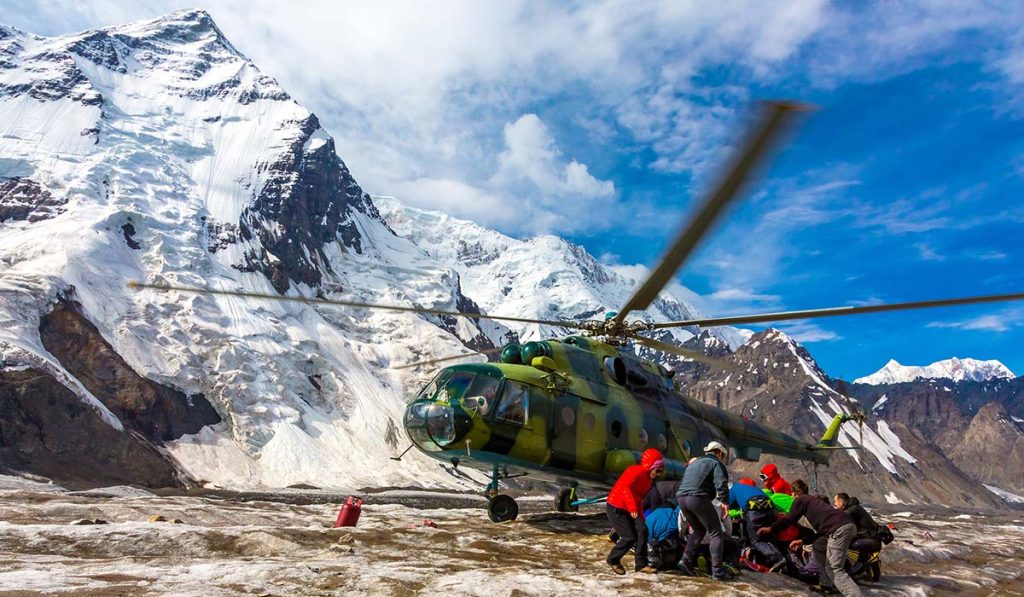
Altitude Sickness
One of the serious concerns during the Everest Base Camp Trek is altitude sickness. No matter which time of the year you select for the trek it is very important to adapt to the higher altitudes in the Himalayas.
When you follow the suggested acclimatization guidelines, you can stay healthy and navigate the diverse Khumbu trails more smoothly.
Generally, altitude sickness can occur above 2,500 m. During the EBC trek, you will be at different places ranging from 2,500 meters to 3,000 meters and also reach Kala Patthar which is situated at 5644.5 m.
So, it is crucial to be aware of how your body reacts at altitudes. Some common signs of altitude sickness include:
- Breathlessness
- Headache
- Feeling Tired
- Dizziness
- Difficulty Sleeping
- Nausea
- No appetite
Acclimatization
Acclimatization is the most important factor that determines the success of the Everest Base Camp trek. As the trail rises your body needs time to adjust to the higher elevations.
Trekkers may experience discomfort and struggle to continue without acclimatization. When you can adapt to the Himalayan environment, the trek can be more comfortable and safer.
You may take these precautionary measures for acclimatization during the Everest Base Camp Trek:
- Stay well-hydrated by drinking plenty of water.
- Maintain a steady and relaxed walking pace. Do not rush at uphills.
- Take scheduled rest days at points like Namche Bazaar and Dingboche.
- Eat nutritious food to ensure consistent energy levels.
- You may bring medications like Diamox which is known for preventing altitude related symptoms after talking with your doctor.
- Head down to the lower sections immediately if symptoms don’t get better or persist.
Everest Base Camp Trek in March Itinerary
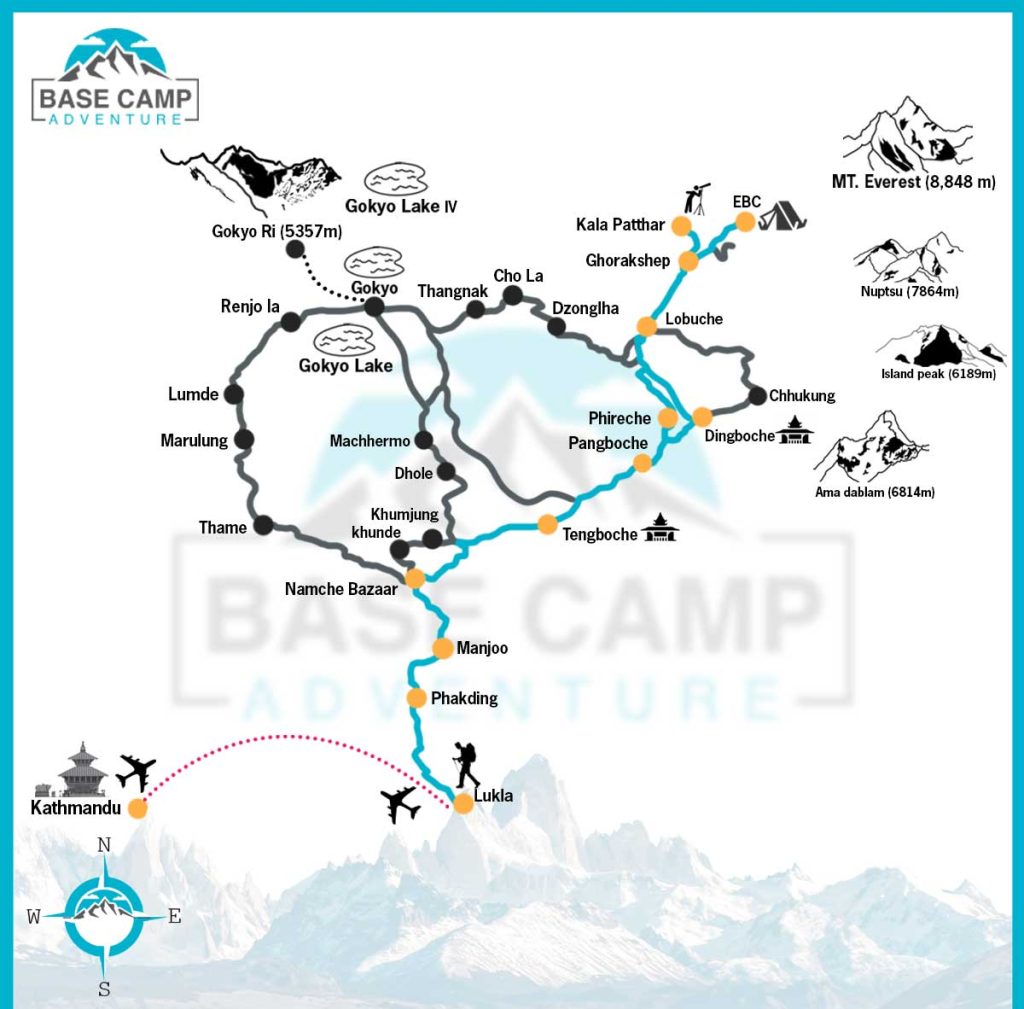
- Day 1: Arrival at Tribhuvan International Airport, Kathmandu.
- Day 2: Fly to Lukla (2,860 m) from Kathmandu, then trek to Phakding (2,600 m); 3 to 5 hours.
- Day 3: Trek from Phakding(2,600 m) to the scenic Namche Bazaar (3,450 m); 6 to 7 hours.
- Day 4: Acclimatization day
- Day 5: Trek from Namche Bazaar (3,450 m) to Tengboche (3,865 m); 5 to 6 hours.
- Day 6: Trek to Dingboche (4,410 m); 5 to 6 hours.
- Day 7: Acclimatization day in Dingboche (4,410 m)
- Day 8: Trek from Dingboche (4,410 m) to Lobuche (4,940 m); 5 to 6 hours.
- Day 9: Trek from Lobuche (4,940 m) to Gorakshep (5,140 m) and Everest Base Camp (5,364 m); 6 to 8 hours.
- Day 10: Early morning hike to Kala Patthar (5644.5 m) for sunrise views, then trek back to Pheriche (4,243 m): 6 to 7 hours.
- Day 11: Trek from Pheriche (4,243 m) to Namche Bazaar (3,450 m); 7 to 8 hours.
- Day 12: Trek from Namche Bazaar (3,450 m) to Lukla (2,860 m);7 to 8 hours.
- Day 13: Flight from Lukla (2,860 m) to Kathmandu (40 minutes).
- Day 14: Explore or Take Rest in Kathmandu.
- Day 15: Departure Day.
What to Pack for the Everest Base Camp Trek in March?
For a smooth and comfortable adventure in Everest Region, it is essential to pack all the essentials. Therefore, you should check the real time weather updates for the Everest Base Camp trek and pack all the necessary items.
Although March is known for its moderate weather, the higher sections of the Himalayas are mostly on the colder side. So, layering is a must to stay warm.
In addition to clothing, there are other essentials required while trekking in the rugged terrains for almost 12 to 14 days. You can pack the following items for EBC Trek in March:

Clothing
- Cap
- Wool sweater
- Trekking Tshirts
- Quick-dry trekking pants
- Windproof jacket
- Lightweight gloves
- Beanie
- Trekking Pants and Shirts
- Waterproof Jackets
- Moisture Wicking thermal wear
- Warm hat
- Lightweight down jacket
- Fleece jacket
- Waterproof trekking pants
- Buff
- Sun hats
Footwear
- Trekking Sandals
- Warm socks
- Hiking boots
- Lightweight sandals
- Leg Gaiters
Essential Gears
- Rain cover
- Trekking Poles
- Sleeping Bag
- Daypack
- Flashlights
- Headlamps
Other Trekking Essentials
- Passport
- Permits
- Route Map
- Lip balm
- Water purification tablets
- Reusable Water Bottles
- Sunscreen
- Tissues
- Smartphone
- Wet wipes
- Snacks (Nuts, Energy bars and Dried fruit)
- Camera
- Quick-dry towel
- Shampoo
- Biodegradable soap
- Personal medications
- Personal first-aid kit
- Sunglasses
- Toothbrush and toothpaste
- Hand sanitizer
- Toilet paper
Everest Base Camp Trek in March: Accommodation Facilities
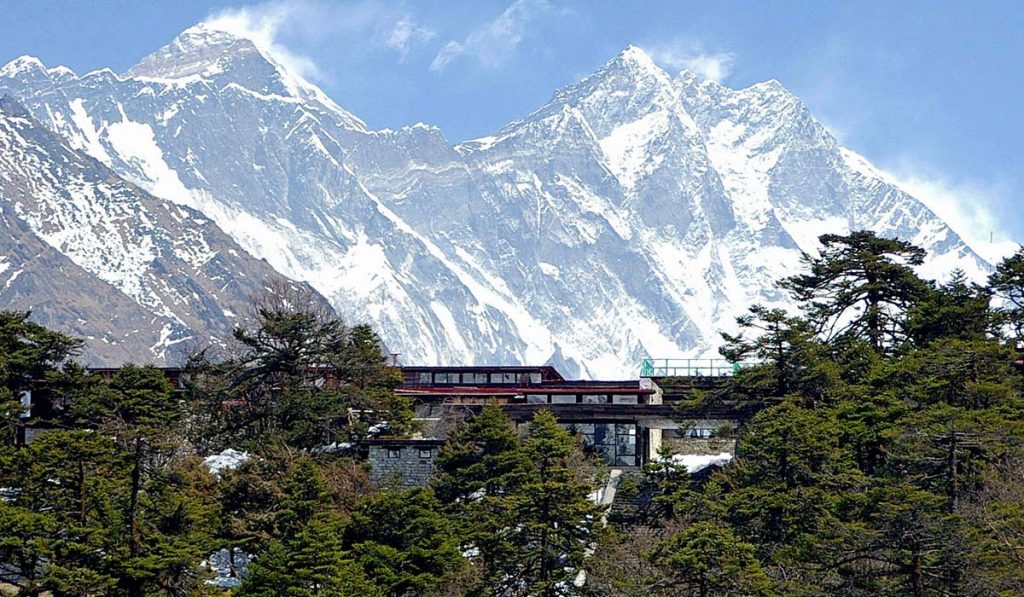
On the Everest Base Camp trek in March, you will stay at the teahouses. The serene teahouses are the main resting spots along the trail, which offer simple yet welcoming shelters.
These teahouses are mostly family-run. They are fully operational this spring month and offer a warm place for visitors to rest and dine. The teahouses along the way allow you to focus on warmth and community.
Central dining areas at teahouses often draw trekkers together for hearty meals. Bathrooms are available either attached (at some places) or on a shared basis. The rooms generally have twin beds and you will be provided with warm blankets and comfortable pillows.
March is one of the times when trekkers begin to join the trek. Teahouses start to fill quickly. So, booking should be done quickly. If you opt for a packaged tour, all the accommodation arrangements during trekking are made with the cost included in the package.
Meals

During the Everest Base Camp trek, you will need filling and nutritious food to get strength and stamina. The long trekking days at high altitude demand steady energy. The food menu is designed exactly for that.
Almost all the trekking packages provide three meals a day. Dinner and breakfast will be in the teahouse where you are staying, and lunch is served along the route.
Also, the Khumbu Region is a renowned trekking destination with various routes. There are also small eateries along the trail, so you can always choose to take a break and eat something that you prefer.
Their meals are generally served warm and are fresh. The trail is lined with teahouses and small eateries that know exactly what trekkers need.
Menus are basic but filling. Some popular items on the menus of most eateries are dal bhat, soups, noodles, Tibetan bread, Sherpa stew, pasta, potato based dishes, eggs, pancakes, porridge, fried rice, roti, and veggies.
At popular spots like Namche Bazaar, you will also find places where they serve international dishes. Bakery items are also available. The meals are essential for stamina and also to get a feel of warmth while trekking in the high mountain area.
Eating at a teahouse stop is one of the most exciting parts of the trek. You can share stories with fellow trekkers and learn about local mountain culture by interacting with guides and owners while also enjoying the hearty local dishes.
Why is Trekking with Guides and Porters Recommended for the Everest Base Camp Trek?

The Everest Base Camp trek is physically and mentally demanding. But with a guide whole process is different. Guides are familiar with the weather conditions of the area in every season. Likewise, you can spot altitude related problems quickly with their help.
They will lead you through tough sections which will help maintain your pace. In addition, they will share amusing stories about the villages, monasteries and traditions, keeping you engaged the entire time. During emergencies, they act quickly. They will also take care of logistical or health issues.
Porters carry your bags throughout the journey. They will arrange tents, food and backpacks while you can focus on enjoying the experience. You can save energy, avoid exhaustion and reduce the chances of injury or exhaustion while walking on steep terrains when you are accompanied by the porter.
With the care of guides and porters, your challenging ascent can turn into an easy, smoother and rewarding experience in the Himalayas. Thus, for the exciting experience in the Khumbu Region it is recommended to trek with guides and porters.
If you book a trek package with Base Camp Adventure, we will ensure that professional guides and porters will accompany you throughout the journey, looking after your safety and comfort.
How to Ensure a Secure and Joyful Everest Base Camp?
The trek to Everest Base Camp in March can be rewarding with right planning and preparation. Here are some tips that can help you ensure joyful trekking experiences:
- Start preparing at least 3 to 4 months in advance. Do cardio workouts. Include strength training. This helps you build stamina and endurance. With these exercises long trekking days in the Khumbu region can be much easier.
- Days in March can be sunny. So, pack sunhats, sunscreen and sunglasses to protect yourself from the sun.
- Pack a small first aid kit with you. This can be necessary for treating blisters or minor issues that can arise.
- In early March, some higher sections may still have snow or ice. So, bring sturdy trekking boots with a reliable grip.
- Stay hydrated. Have well balanced meals. This helps you keep your energy up.
- Check the Everest Base Camp Trek Temperature March to get a general idea of weather conditions.
- Be mentally prepared for tackling the challenges of the trek. Have an optimistic mindset and set easily achievable goals.
- Always check the latest trail and weather updates before you set off.
- Carry light energy snacks for quick boosts during long walks.
- It is advisable to begin walking early to enjoy the maximum daylight offered by this spring month. Starting on time also allows you to enjoy steady weather and navigate the calmer trails.