


Manaslu Circuit Trek is one of the most remarkable trekking journeys in Nepal that takes you amidst the towering peaks of the Himalayas and the heart of the rugged landscapes. This exploration beckons adventure with its majestic, serene, and unspoiled beauty that blends well with the rugged landscapes of the region. Certainly, this is one of the most exciting exploration prospects to experience the tranquility and the essence of the Himalayas. But what is the Manaslu Circuit Trek difficulty?
If you are here, it means that you are considering this classical Himalayan adventure and are curious about the difficulty factors this excursion packs. Well, rest assured, the Manaslu Circuit Trek difficulty is just at a moderate level, and pretty much anyone who is willing to put some effort during the training part can easily complete this exhilarating trek.
This iconic trekking adventure in a circumnavigating journey of the world’s eighth highest peak, Mt. Manaslu [8,163 meters/ 26,781 feet], promises a transformative journey across the remote settlements, lush valley, and high mountain passes unraveling the soul-stirring untamed wilderness of the Himalayas with every step. If you are a Himalayan trekking enthusiast, you definitely shouldn’t miss this iconic trek that sheds the beauty of the Himalayan region in a different color, distant from the mainstream trekking routes in the country.
Breakdown of Manaslu Circuit Trek Difficulty
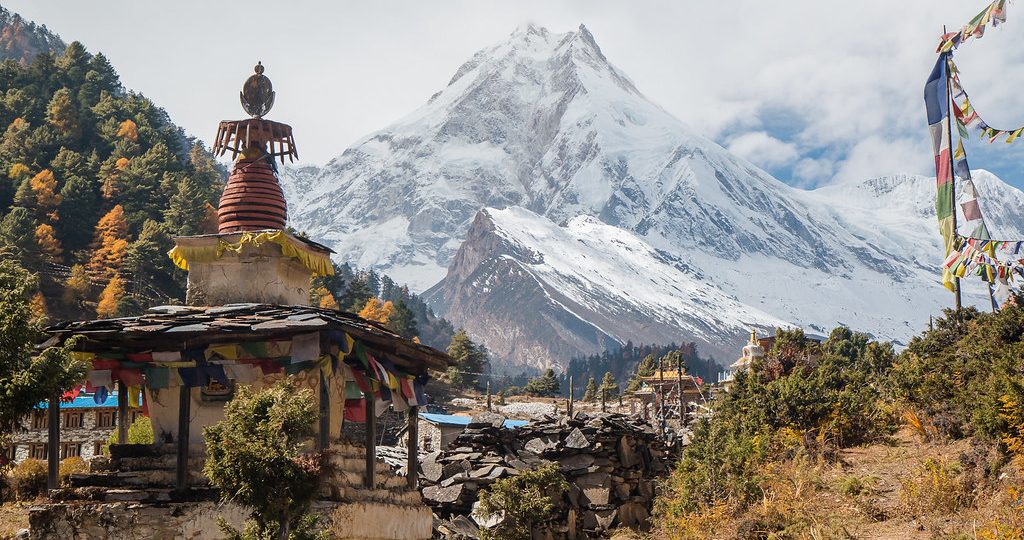
Despite the label of the Manaslu Circuit Trek as a moderate trekking adventure in the Himalayas, there are several factors that trekkers need to consider during the trek. The difficulty factors of this exploration aren’t universal, and the scale can vary depending on person to person.
For instance, travelers living in high-altitude regions may find it easy to acclimatize properly, and people living in cold regions may find the alpine altitude of this adventure subtle. So, you can take the following factors of the Manaslu Circuit Trek difficulty into consideration to understand the overall demand of the exploration and how you can efficiently prepare for it.
Acute Mountain Sickness (AMS)
Needless to say, altitude sickness is one of the major concerns in any kind of high-altitude trekking adventure and mountain expedition. Even though there isn’t the risk of adverse altitude sickness conditions like High-Altitude Cerebral Edema (HACE) and High-Altitude Pulmonary Edema (HAPE) in this trek thanks to low elevation gain, you may still suffer from the symptoms of Acute Mountain Sickness (AMS) if you do not follow appropriate precautionary methods.
In your standard 16 Days Manaslu Circuit Trek package, you will start your trekking journey from Soti Khola (700 meters). Moving along the gradually inclining route, you will slowly trek past the high-altitude highlights of this excursion, like Machha Khola (863 meters), Jagat (1,340 meters), Deng (1,860 meters), Namrung (2,630 meters), Samagaun (3,530 meters), Samdo (3,690 meters) and Dharamsala (4,460 meters).
The next step further ahead will then take you across one of the most fascinating Himalayan passes, Larkya La Pass (5,160 meters), the highest vantage point of this trek. Thus, in this epic journey, you will ascend upto an altitude above 5,000 meters, which has risks of AMS if you don’t stick with the precautionary methods.
Total Distance of Trek
The next challenges aspect of the Manaslu Circuit Trek difficulty after altitude sickness in the total distance covered in this Himalayan adventure. In total, you will walk for about 177 km (110 miles) in the total duration of this trek, and depending on the itinerary length, the walking distance can average between 6 to 7 hours for each day of the trek.
As this exhilarating journey takes you across the remote part of the Himalayas, you will walk most on the rocky, loose soil and rugged trails of the trails. Depending on the season of your visit, you may also have to maneuver across the snow and ice section on the route to Larkya La Pass.
For the most part, you will navigate on the steep sections of the mountain, which means frequent ascending and descending across the route with the limited leveled ground. So, the trekking distance is not the only challenge; you will have to consider what kind of route you will be taking on this Himalayan adventure.
Climatic Conditions
The Himalayan trekking adventures in Nepal can be done throughout the four seasons: autumn, spring, monsoon, and winter. However, unlike the peak seasons like spring and autumn, the off-season, like winter and monsoon, do add weather challenges to your excursion.
Generally, the weather conditions of the high altitude region can be unpredictable, and they have their own alpine climatic zone. The probability of the climatic conditions going amok is very low during the peak seasons; however, during the off-season, it can be quite unpredictable. Trekkers may have to deal with sudden rainfall, snowfall, and blizzards out of nowhere during the off-season.
Also, the alpine temperatures are generally cold throughout the year. So, it is important to be prepared for the different climatic zones on the trail and pretty much everything that the Himalayan region throws your way.
Acclimatization Period
This is one of the most significant factors of Manaslu Circuit Trek’s difficulty, and the comfort and enjoyability of your trek will largely depend on this factor. If you have any prior high-altitude trekking experience, then you understand how important it is to acclimatize properly to give your body an adequate amount of rest and as a safe precautionary method to avoid Acute Mountain Sickness (AMS).
During the ascending journey to the high-elevation points of any region, gaining more than 500 meters in altitude is not considered safe. Similarly, with every elevation jump of 1,000 meters, an acclimatization day should be included in the itinerary plan. If your package doesn’t provide you enough time to acclimatize properly to new altitudes, it won’t just put your body at risk of altitude sickness. Due to lack of enough rest, you may also have to deal with other general sickness and health hazards in this remote exploration.
Remote and Isolated Terrains
The Manaslu Circuit Trek is famous for the exploration of the Himalayan wilderness. So, naturally, unlike other mainstream treks like Everest Base Camp Trek and Annapurna Circuit Trek, the remoteness factor is pretty dominant in this excursion. During your trek, you will traverse across the remote and less-developed region of Nepal.
The food and accommodation facilities along the trekking trails are of moderate level. Similarly, in terms of medical services and other modern amenities along the trail are pretty much limited. You can take this adventure as a journey to solitude away from the hustle and bustle of modern life. So, if you are not mentally prepared for the remoteness of this Himalayan adventure, the experience might not be that enjoyable.
How Can You Minimize the Manaslu Circuit Trek Difficulty?

From the surface value, the Manaslu Circuit Trek difficulty may seem daunting. However, all of the mentioned difficulty factors are just on the milder scales, and they are just reminded of what you have to face during your remote Himalayan exploration.
None of them are physically vexing or challenging, and you will be to easily overcome them if you take the necessary steps. Here are some inside tips on how to minimize the overall difficulty of the Manaslu Circuit Trek difficulty so you can ensure a remarkable and enjoyable journey.
Physical Preparation
You will be able to overcome the majority of factors of the Manaslu Circuit Trek difficulty by just making an adequate physical preparation. The minimum physical preparation threshold for the high-altitude trek in the Himalayas is about 3- 6 weeks. However, you can adjust the training length and recommended exercises depending on your physical fitness level.
You can do a thorough physical assessment and understand the physical demands of this remote excursion to optimize the limited period for an efficient training regime. Strength, endurance, and stamina should be your foremost priority for the trek, as you will walk for 6 to 7 hours, overcoming the remote and rugged trails.
Here are some training exercise recommendations for the Manaslu Circuit Trek that you can include during your preparation.
For strength and Endurance Development: Lunges, Deadlift, Leg Presse, Squat, Step Up, Push Up, Glute Bridge, Pull Up, Calf Raise, Hamstring Curl, Plank, Bench Press, Lat Pulldown, etc
For Stamina and Cardiovascular Development: Jogging, Cycling, Jumping Rope, Rowing, Jumping Jack, Stair Climbing, Dancing, Cardio, Mountain Climber, etc
Choose the Right Season
Although it is true that different seasons of the year reflect different colors of the mystical Himalayan region, if you want to enjoy a pleasant and comfortable trekking experience on this remote trail, we recommend trekking during the peak seasons.
Spring (March, April, and May) and autumn (September, October, and November) are considered the most suitable seasons for both trekking and mountain expeditions in the Himalayas. Both of these seasons house a stable climate, pleasant temperatures, dry trekking trails, and, of course, the most breathtaking views of the Himalayan vistas.
So, for an unforgettable and comfortable experience on this serene and remote trekking trail, you should do the trek in either one of these peak seasons.
Temperature of Manaslu During Different Seasons
During Autumn– 13°C to 25°C
During Spring– 12°C to 31°C
During Winter– 5°C to 12°C
During Monsoon– 16°C to 30°C
Eat a Balanced Diet and Stay Hydrated
After the physical preparation, eating a balanced diet and staying hydrated throughout the trip are two of the key points to avoid altitude sickness during your excursion. You might not be familiar with this, but after ascending to a significant altitude, it is normal to feel a loss of appetite.
So, the mistake most trekkers make is that they substitute the packet food or just tasty snacks for a filling and nutritious diet. So, naturally, without enough nutrients to fuel the body for a long day of adventure, the risks of both general sickness and AMS drastically increase.
That’s why you are recommended to force-feed yourself the first few bites then, your body will start to adapt to new altitudes and gradually accept the food. Similarly, you will also lose a significant water level during each day of the trek. That’s why, to maintain the water level and ensure a comfortable experience, you should drink at least 3 to 4 liters of water daily during your trip.
Choose an Ideal Package
The overall enjoyment scale, experience, comfort level, and safety factors of your trip will depend on what kind of package you choose. If you are a beginner to high-altitude trekking adventures, it will be best if you stick with the package with longer itinerary plans with enough acclimatization period.
You can also do short itinerary treks, but remember if you don’t have prior experience, it can be challenging to cover long distances with a limited acclimatization period in rushed itinerary plans. So, select the packages with enough acclimatization period for this remote Himalayan excursion and hire the services of the government-registered local trekking agencies to avoid paying the middleman fee.
We here at Base Camp Adventure offer the most exciting and cost-value package for this circumnavigating journey with our 16 Day Manaslu Circuit Trek. This is a fully guided expedition, and we will take care of all the itinerary plans and logistic details of your trip. You can also request us to design the itinerary plans of your preference. For more details and booking, contact us via our page Contact Us.
Pack Right According to Season
During this high-altitude exploration of the remote Himalayan region, you need to make sure that you have packed right for the season of your exploration. Generally, this trip will take you across diverse climatic zones and landscapes, so the right layers, gear, and accessories will ensure comfort during your iconic trek.
But, remember, the porter-to-trekker ratio is 1:2; two of the trekkers will be assisted by a single porter to carry their luggage. The maximum limit for the port is about 30kg, so the single porter will carry about 15kg of luggage each for two trekkers. So, it is also important to pack efficiently for the trek as well; otherwise, you will have to carry excessive luggage by yourself, or you can hire an additional porter by paying extra.

Here are some of our packing suggestions for the Manaslu Circuit Trek.
For Head and Upper Body
- Sun hat or brim hat
- Woolen/knitted hat, insulated beanie
- Neck gaiter or cowls
- Sweat-wicking base layers
- T-shirts, shirts (full and half)
- Warm mid-layers, thermals
- Fleece jacket, breathable jacket
- Windproof/waterproof layer
- Down jacket for minus degrees
- Enough pair of undergarments
- Light gloves and insulated/woolen gloves
For Lower Body and Feet
- Lightweight cotton pants
- Shorts for warmer regions
- Breathable trousers
- Waterproof/windproof trousers
- Heavy and insulated trousers for alpine altitudes
- Lightweight socks, woolen/insulated socks
- Trekking boots
- Sports shoes
- Crocs or slipper
- Waterproof feet gaiter
- Ankle support
Personal Hygiene
- Bio-degradable soap
- Shampoo and lotion
- Toothbrush, toothpaste
- Travel towel
- Tissue paper, wet wipes/baby wipes
- Toilet paper
- Sunscreen cream
- Body lotion and lip care
- Deodorants
- Foot powder
- Water purification solution or tablet
- Sanitizer
- Bug repellent
- Small mirror
- Nail clipper, shaving razor
- First aid kit with all basic medications
- Personal medication (if any)
Gear/Essentials
- Trekking poles
- Headlamp
- Power bank
- Sleeping bag or sleeping pad
- Backpack and duffle bag
- Thermos flask
- Water bottle
- Map and compass
- GPS device
- Camera and binoculars
- Journals and magazines
- Rain cover for your luggage
- Wastage bag
- Packing sack for arrangement of luggage
- Universal adapter and charging cord
Is Manaslu Circuit Trek Right for Me?

After considering the different factors of the Manaslu Circuit Trek difficulty, you might be wondering whether this is the most ideal trekking package for you or not. However, this trekking adventure to a secluded part of the Himalayas is suitable for anyone who is willing to put some effort into training part for this incredible excursion.
Thanks to the moderate difficulty level of this adventure, this trek can be done by even a complete beginner who has no prior experience in high-altitude treks. The altitude gain in this exploration isn’t that significant either, as you will overcome only two points in the 4,000-meter and 5,000-meter classes.
Your trekking package will also include enough acclimatization period to easily overcome the high altitude points of the excursion without falling victim to Acute Mountain Sickness (AMS). The trek success rate of Manaslu Circuit Trek is 98% to complete 100%; this also gives you proper insights into how challenging the adventure actually is.
Furthermore, there are no age restrictions for this trip; anyone who is reasonably fit and in good health can do this trek. But, due to the involvement of the Himalayan pass along the route, you should refrain from taking young children along with you.
What Permits Will You Need to Do This Trek?

The Manaslu Circuit Trek is one of the most fascinating Himlayan exploration prospects in the country. One of the main contributing reasons for that is its exhilarating trekking route thats passes some of the significant conserved areas of the Himalayas.
Your trekking route in this classical excursion will pass through the secluded regions of the Manaslu as well as the mainstream trekking route of the Annapurna region. That’s why the list of permits for this trekking adventure is slightly longer than other Himalayan explorations.
Permits Required to Do Manaslu Circuit Trek
- Manaslu Conservation Area Project (MCAP) Permit
- Special Restricted Area Permit (RAP) for Manaslu
- Annapurna Conservation Area Project (ACAP) Permit
- Trekker’s Information Management System (TIMS) Card
The area between Jagat and Sama Gaun is a special restricted area in the Manaslu region. That’s why you will need to get the Special Restricted Area Permit (RAP) for Manaslu to enter the region, which costs about US$ 100 in the autumn season and US$ 75 in other seasons for the first seven days. After that, trekkers need to pay US$ 15 per extra day during the spring and US$ 10 per extra day of stay during other seasons.
Special Restricted Area Permit (RAP) for Manaslu
Similarly, for your trekking journey across Manaslu Conservation Area and Annapurna Conservation Area, you will need to get both ACAP and MCAP Permits, which will cost US$ 30 each. TIMS Card, which enhances the safety features of the trekkers, is another necessary permit for this remote exploration, and it costs about US$ 17.
Safety and Well-Being
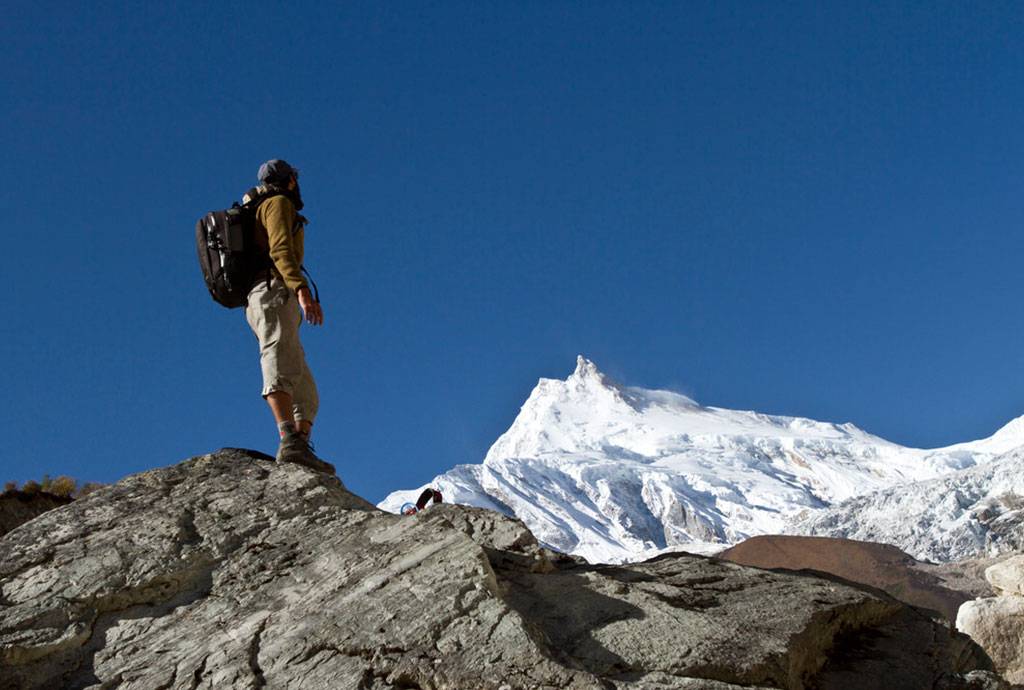
The primary focus of the Base Camp Adventure in each of our trekking packages is the safety and well-being of our guests. The itinerary plans of our every package are designed with the help of travel experts and veteran guides; also, each of our packages is tested by evaluating the comfort and safety features of the journey. So, you can rest assured and just enjoy the incredible exploration opportunity, leaving everything else to our expertise.
Each one of our package-leading guides is government-licensed and has significant years of experience in their particular area of expertise. They are also native to the Himalayan region and are familiar with the routes like the back of their hand. So, the informative and immersive experience is a guaranteed perk in your exploration.
Furthermore, our guides have also received training for immediate first-aid response and high-altitude handling.
Some Additional Helpful Tips to Overcome Manaslu Circuit Trek Difficulty

- Trek on a slow pace and take short breaks along the route
- Use the trekking poles and ankle support to reduce strains on your joints
- Don’t be picky; eat a nutritious and filling diet
- Carry energy bars and dry fruits to keep yourself energized between the long resting points
- Familiarize yourself with the route you are following and learn to use a basic adventurer kit like a map, compass, and gps
- Follow the instructions and guidelines of the guides and porters
- Be mentally prepared for the remoteness of the excursion and to leave your comfort zone
- Learn basic first aid and high altitude skills
- Keep a safe distance while encountering endangered flora and fauna
- Don’t smoke cigarettes and smoke alcohol; they make acclimatization difficult
- Respect local culture and traditions
- Lastly, learn a few greeting phrases in Nepali and enjoy the incredible trekking experience


