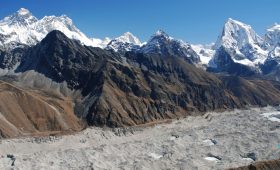

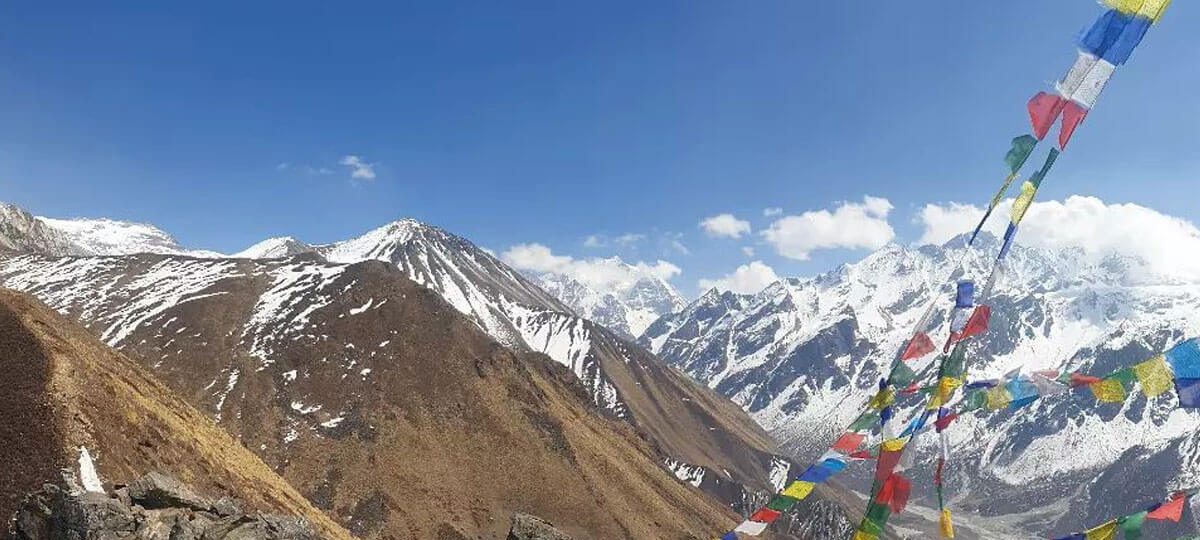
Langtang Valley Trek is an enchanting and intriguing adventure that offers stunning views of the magnificent landscapes of the Langtang region. Langtang Valley lies in the Rasuwa district, which is in the northern part of Bagmati province in Nepal. It is one of the short trekking destinations in Nepal, with a starting point at Syabrubesi, which is 120 km northeast of the capital city, Kathmandu.
Langtang Trek presents the breathtaking views of Langtang Lirung(7234 m), Langtang Ri (7205 m), Porong ri(7292 m), Yala Peak (5550 m), and many other surrounding peaks. This moderate-grade trek also allows you to explore Kyanjin Gompa, a beautiful village famous for having a cheese factory made from yak milk. The Kyanjin Gompa (Monastery), which stands at an elevation of (3870 m) holds great cultural significance for the local community.
Trekking in Langtang is possible throughout the year. Choosing a season with outstanding perks helps you enhance the trekking experience, leaving you with memories that will last a long time. So, when is the ideal time for the Langtang Trek?
Generally, four seasons can be experienced in Nepal: Spring, Summer/Monsoon, Autumn, and Winter. However, the ideal time to trek in Langtang is Spring (March, April, May) and Autumn (September, October, November).
The stable weather and clear visibility make the Spring and Autumn the best time for the Langtang Trek. Autumn marks the season of colors, cloud-free and clear blue skies, which offer a fresh environment and are truly a treat to your eyes. Similarly, the Spring season rewards you with a vibrant atmosphere; the sweet aroma of the blooming flowers makes nature more lively.
Winter offers enchanting views of the snow-clad mountains. However, the temperature drops significantly during winter, and trails are mostly covered with snow, which can be challenging. The fewer crowds and mesmerizing winter vibes present their unique charm. Similarly, the Summer/Monsoon season presents excellent views of lush surroundings and misty mountains. As it is off-season, you can trek with a sense of serenity and peacefulness. Seeing a beautiful layer of clouds floating in the sky resembles a painting of nature, filling your heart with wonder and joy.
Each season has its unique charms and features; let’s discuss the highlights of each season in detail so you can decide which is the best time for Langtang Trek.
Autumn Season: Is It Really The Best Season for Langtang Trek?
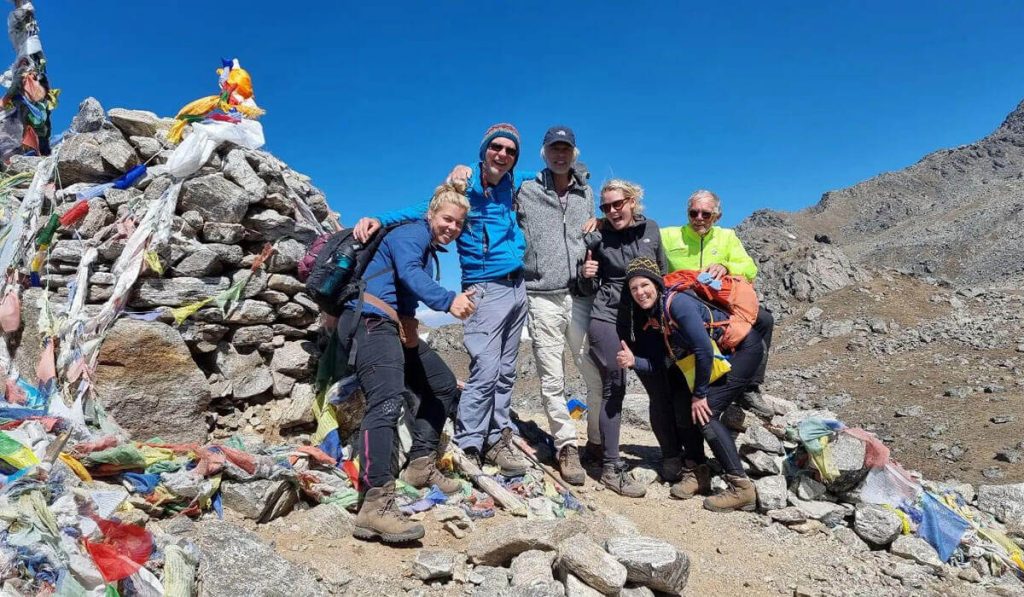
Autumn’s weather is stable, and it presents vibrant surroundings with stunning views of beautiful landscapes. It is also a peak season for trekking, attracting many trekkers worldwide. The post-monsoon autumn season is full of festive delights and a tranquil atmosphere. The autumn months are September, October, and November. The daytime temperature during the autumn season ranges from 10°C to 15°C, while at night, it ranges from 0°C to 5°C. Some of the key highlights of the autumn season are:
1) The delightful weather of Autumn creates the perfect atmosphere for Trekking.
Autumn is considered the Best Time for Langtang Trek due to its pleasant and favorable weather conditions. The mild temperature and stable weather create an optimal environment for trekking. Trekking in autumn means you won’t have to face the heat of the summer and the extreme cold of the winter, which doesn’t disrupt the smooth flow of the journey.
Similarly, favorable weather conditions make walking on the trails comfortable. You will cross many bridges and walk through the stone-paved pathways on many sections during the journey. Continuing the journey will be hard if the weather doesn’t support it. There is a minimum chance of rainfall during autumn, so the trails are mostly dry, making navigation easier for the trekkers. The daytime is mostly sunny, creating a delightful atmosphere for the trekkers and ensuring a comfortable and enjoyable journey.
2) Autumn showcases the captivating natural grandeur of the Langtang Valley.
Langtang Valley is renowned for its enchanting natural beauty, which is truly a visual treat for travelers. The leaves transform into vibrant colors in autumn, making the landscapes even more charming. The skies are clear in autumn, offering majestic views of the surroundings that will capture your heart with their grandeur. You will come across many fields along the way, mesmerizing you with their beauty. The sights of beautiful waterfalls flowing freely from the lush cliffs are mesmerizing, allowing you to witness nature’s magnificence.
3) Ethereal Mountain Panaromas create an awe-inspiring sight.
During the autumn season, you will see many beautiful mountain panoramas. The Langtang Region is known for offering stunning views of snow-covered mountain peaks. The ethereal mountain panoramas surround the beautiful valley, looking perfect from every angle. The views of Ganesh Himal, Langtang Lirung, and Porong Ri are stunning during the autumn, captivating the hearts of travelers. One of the major reasons many travelers opt for trekking in autumn is the surreal views of the majestic mountain panoramas.
What Makes the Spring Season Ideal Time to Embark on Langtang Trek?
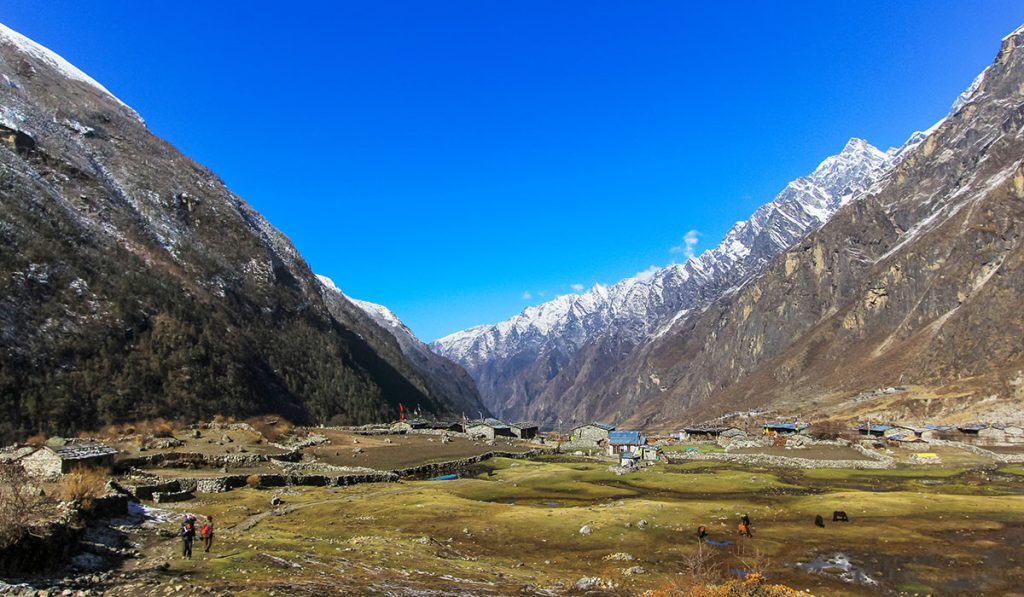
The Spring season allows you a chance to witness the most beautiful aspects of the natural world in favorable weather conditions. March, April, and May are the spring months in Nepal. The daytime temperature of the Langtang region in the spring season ranges from around 10°C to 20 °C, while at nighttime, it can range from around 0°C to 10°C. Some of the reasons why the Spring season is ideal for Langtang Trek are:
1) The Mellow Weather of Spring is rejuvenating.
Spring season is the peak time for trekking. Due to the mild and clear springtime weather, the trekkers can get immersed in the beauty of the Langtang region. Spring season is the transition month from the winter, where the region sees a rise in the temperature. The daytime temperature in the season is very mild, making it the perfect time to embark on this trek. The mellow weather, the favorable trail, and the refreshing air make the trek more exciting and rewarding. The refreshing air while traversing the lush forests helps you feel the serenity of nature, which will calm your mind and heal your soul.
2) Radiant Rhododendrons display the enchanting beauty of the Spring.
In spring, you can see the beautiful rhododendrons blooming, making the surroundings beautiful. The lush forests of blooming flowers create an enchanting experience for the trekkers. The scenery of the forests decorated with vibrant rhododendrons and the backdrop of the beautiful mountains feels surreal. The air is filled with the beautiful flowers’ sweet fragrance, making the experience very pleasant for the trekkers. The spring season also provides an amazing opportunity to capture wonderful pictures of the radiant surroundings.
3) Distinct Mountain Scenery in Spring creates a magical atmosphere.
During the spring, you can see the stunning scenery of the mountains while trekking through the deep valleys and lush forests in the Langtang region. The wide views of the mountains are visible in the spring, displaying its enchanting beauty. The beautiful glow of the mountains in this vibrant season will fill your heart with a sense of joy. You will witness the spectacular views of mountains like Langtang Lirung, Yala Peak, Naya Kangri, and many more stunning snow-covered mountains. The magnificent mountains and the clear skies of the Langtang Valley in the spring will captivate your heart, creating unforgettable memories you will cherish for a long time.
What are the Perks of Trekking in Langtang Valley During the Winter Season?
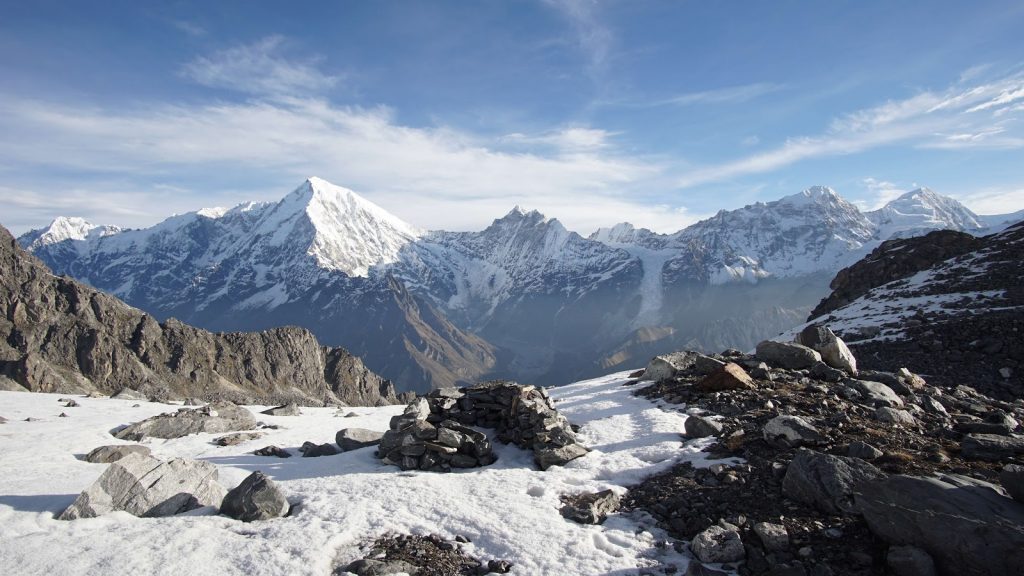
The winter months in Nepal are December, January, and February. The Langtang Valley sees the coldest days in the winter season. There are snowfalls and strong winds during the season. The trails are less crowded than in other seasons. Even though the days are sunny, the nights are extremely cold. The daytime temperature of the region ranges from around 6°C to 9°C during the daytime, whereas it can drop -5°C at night. Trekking in the winter season has its challenges and rewards. Some of the rewards that Lantang Trek offers in the winter season are:
1) Winter presents the Crystal-Clear views of the Mountains
There is minimal chance of rainfall in winter and fewer clouds in the sky, rewarding excellent visibility. During the winter, the mountain peaks are covered with snow, offering an unparalleled view of the mountains. Enchanting views of the pristine mountains are visible from every direction in the Langtang region, allowing trekkers to witness the natural beauty and grandeur of the region. The unique and crystal-clear views of the snow-covered mountains are one of the rewards that trekking in the winter season offers.
2) Winter Allure captivates the hearts with its surreal beauty.
The Langtang region has a different kind of charm in winter. There are fewer crowds on the trails during the winter season, which offers a tranquil atmosphere where you can enjoy nature’s beauty without interruption. There will be enough space to enjoy the views from the vantage points, making you connect with nature on a deeper level. Winter is also a good time to photograph stunning peaks. Enchanting mountain panoramas can be captured at their best in winter. The rare still cuts of the ethereal landscapes showcase the winter’s vibes, which captivate the travelers’ hearts throughout the journey. Similarly, the snowfall makes the whole surroundings attractive, offering a joyous experience to the trekkers.
The Obstacles of Winter Season
Even though the trek is doable in winter, the season has its own set of challenges. Some of the challenges are:
1) The Cold Winter.
The Langtang Valley is very cold in the winter. Traversing in cold weather requires a lot of energy. The temperature drops significantly lower in the higher zones. So, if you prepare for a winter trek, pack warm clothes to keep yourself warm. It is highly advisable to trek in winter if you can bear the freezing temperatures of the region. Similarly, always dress warmly in layers to protect yourself from the cold weather and ensure a comfortable journey.
2) The Langtang Region Trails are covered with snow in Winter.
During the winter, the Langtang region’s trails are mostly covered with snow. Passing through the snowy paths may be a bit challenging and requires a lot of effort. A good level of stability is needed to traverse through the snowy paths. Especially if there is a deep layer of snow, each step must be taken cautiously to ensure you won’t fall or slip. Similarly, when the terrains are covered with snow, it limits your visibility to see if any holes in the surface add to the challenge. Ascending the uphill section during the winter can be daunting and requires a lot of physical endurance.
3) The heavy backpacks of Winter.
As the region is very cold in winter, you must pack heavy jackets and the weight of the additional clothing, which can be quite burdensome. You must pack extra clothes and wear layers to keep yourself warm. So, the backpacks can be heavier compared to the other season.
Can you Trek to Langtang Valley during the Summer/Monsoon season?
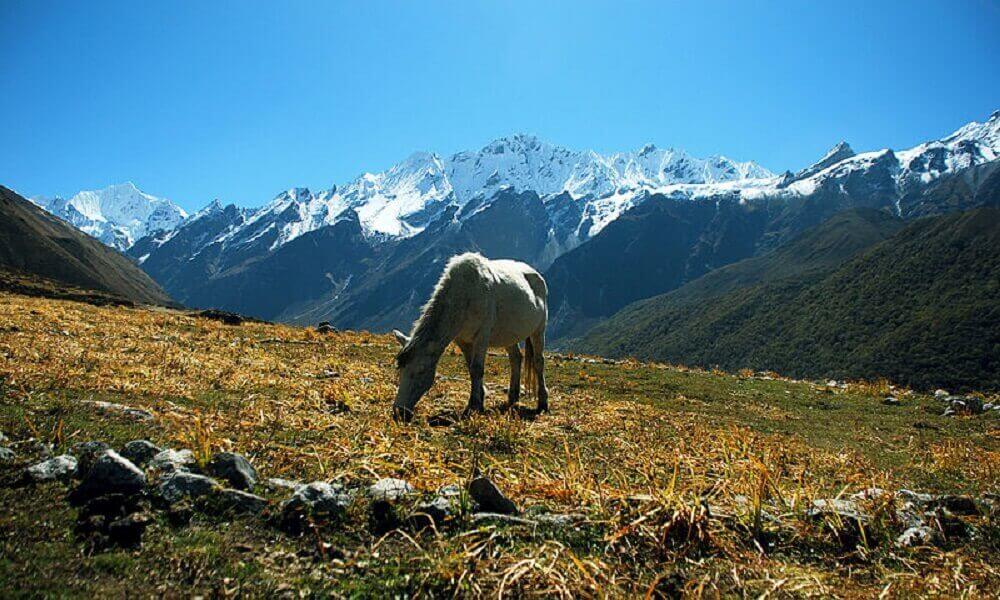
June, July, and August are the summer/monsoon months. These months are hot and also receive heavy downpours. You can also notice a gradual increase in temperature during the rain showers. The weather is mostly unpredictable as it can be clear in a moment and change rapidly in another moment. So, it is crucial to be prepared for the weather-related challenges in the summer season. The daytime temperature of the summer ranges around 9°C to 25°C. Some of the rewards of trekking in the Summer/ Monsoon season are:
1) Summer presents the stunning views of the lush vistas.
The region gets rainfall in the summer, and the misty mountains look stunning in the mornings, especially if it rains at night. The rainfall nourishes the region’s vegetation, making the surrounding area green and charming. Getting glimpses of terrace farms during the summer makes the tour more intriguing and engaging. The region’s surroundings are refreshing, making the beautiful vistas stand out. The waterfall falling freely from the lush cliffs displays the mesmerizing beauty of nature.
2) Passing through the tranquil trail in the summer is peaceful and calming.
There are fewer crowds in summer in the Langtang Valley, which is why the surroundings are calm and peaceful, allowing you to feel a sense of serenity. The verdant vistas and picturesque landscapes, with just the sound of nature free from the hustle and bustle of the city, allow you to stay calm and enjoy the rare beauty of nature.
3) The sounds of beautiful rivers flowing along the way create a soothing melody.
The water level rises in the summer/ monsoon season due to the rainfall. Along the trail, you will witness many rivers and waterfalls. You can hear the soothing melody of the flowing rivers and waterfalls, which is truly healing. The sense of peacefulness you will feel while hearing the beautiful sounds of words is indescribable in words.
Can you Overcome the Monsoon Challenges?
While trekking in summer/ monsoon season, you may face some challenges. Some of the challenges are:
1) Summer is also the Monsoon season in Nepal, so the rainfall makes the trail challenging.
Heavy downpours in the summer result in slippery and muddy trails, making it difficult for trekkers to walk properly. Similarly, even rain gear may not provide full protection if there is heavy rainfall. You may get wet in the rain and even fall sick. Traversing muddy trails is challenging; extra caution should be taken at every step. Any possible accidents can occur, or the possibility of slipping is high on such trails, which may cause travelers to get injured. Trekking in the Langtang region involves walking through various landscapes and stone stairs. Some sections are challenging, and rainfall and slippery trails make passing through them difficult.
2) Leeches and Insects along the trail during Summer may cause discomfort.
One of the major problems of walking in the summer season is the probability of getting a leech bite, which can be extremely unpleasant. The terrains are usually wet in the summer, so leeches are often found in the season. Getting a leech bite is extremely uncomfortable as it usually gets attached to the skin. So, wearing long-sleeved shirts and pants is advisable to minimize the risk of getting the bites. Similarly, if you get a leech bite during any part of your journey, gently detach it from your skin. You have to clean the affected area. Applying salt can help to remove it from the skin. Keep an eye on the affected part of your body; if you see any swelling or infection, getting medical help is crucial. Similarly, carrying insect repellent is a good choice, especially if you are trekking in the summer/monsoon season.
3) The risk of unforeseen events is high in the Summer/ Monsoon season.
One of the risks of traveling during the monsoon season is facing uncertain events. Many natural calamities, such as floods, landslides, or avalanches, may occur during the monsoon season. The weather in high-altitude zones can change in a short period. Heavy rainfall during the season may cause roadblocks, which may cause travelers to get stuck until the conditions improve. During the summer/ monsoon season, the water level rises, making crossings unpredictable and risky. So, you have to be extremely careful in every step. It is highly advisable to check the weather forecast or take the locals’ insights and guides about the condition of the terrain and the way to traverse it.
4) The visibility is limited in the Summer/Monsoon season.
During the season, many clouds may cover the views of the stunning mountains. You will notice a fog in the sky, obstructing visibility. Similarly, many find it difficult to navigate the trail in such weather conditions, increasing the chance of getting lost or requiring much time and effort to find the designated routes. People usually trek to get the closest view of the mountain region’s snow-capped peaks and stunning landscapes. So, if the weather isn’t clear and visibility is limited, the experience might be distasteful for the visitors.
When to Go and When to Lay Low?
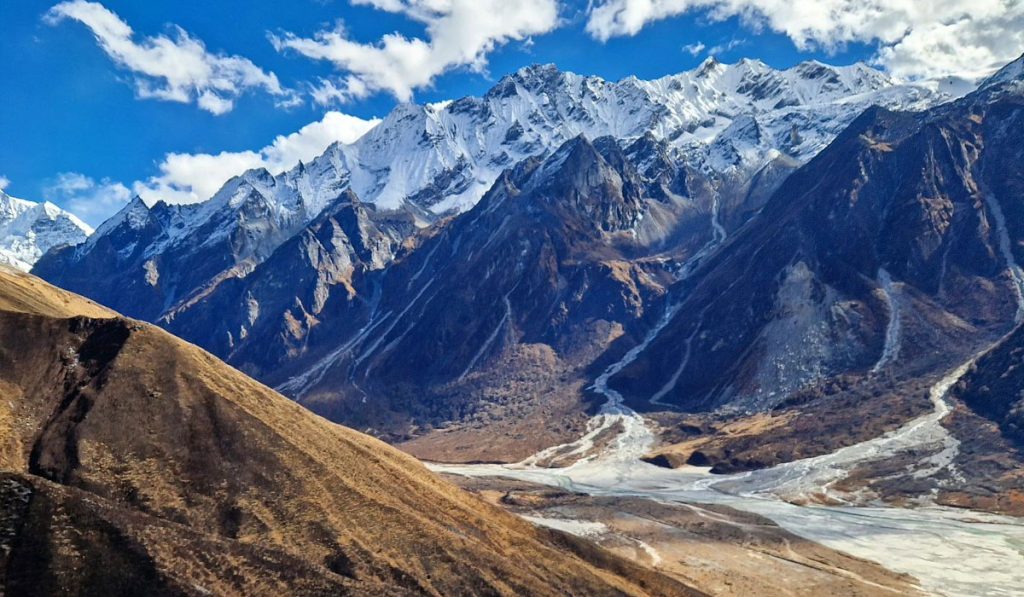
The travelers trek to enjoy the beautiful views and connect deeply with nature. Picking a season that offers favorable weather conditions and clear visibility will create a memory of a lifetime. However, every season offers something different and unique. Autumn and Spring are the best time to embark on this journey because of the stable weather and stunning views. However, they are in the peak season, so booking the tour in advance is recommended to secure good accommodation and ensure a comfortable journey.
Winter and summer/ monsoon also offer beautiful scenery and the region’s unique beauty. However, you may face weather-related challenges if you plan to embark on the journey in these seasons. A good level of preparation is required to trek in these seasons. Less-crowded off-season discounts may also be available in these seasons.
It is essential to research the pros and cons of each season, then decide and plan accordingly to complete the trek as intended.
Also Read: