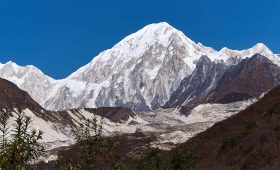


The best time for the Kanchenjunga Trek is during the spring and autumn seasons. These periods guarantee the most stable weather, pleasant temperatures, and the outstanding views of the Kanchenjunga range.
Spring is a time for walking scenic trails adorned with the blooms of rhododendrons, vibrant, lush forests in the long daylight hours, consequently making the trek both a visual and a comfort delight. Likewise, autumn gives the best Himalayan views, as a result of the crispness of the air, the dryness of the weather, and the monsoon’s cleansing of the atmosphere.
During these periods, you can count on clear paths, easy river crossings and very little interference from the weather. In addition, the teahouses’ full functioning ensures that you will always have a place to stay and food to eat during your trip.
The experience outside these peak times is comparatively harder to cope with due to the harsh weather conditions. Winter brings a lot of snow, making the trails icy and the temperatures extremely cold in the higher areas. This usually leads to the closure of routes around high passes and base camps. The mountains are indeed beautiful in winter but the dangers of frostbite, altitude sickness, and blocked trails become very high.
The monsoon is not a recommended season at all because of heavy and constant rains, muddy and slippery trails that are prone to landslides, and a cloud cover that does not allow views of the mountains. This period is characterized by the presence of leeches, muddy trails, and transportation difficulties, making it a very difficult time both physically and logistically to undertake a trek.
The overall trekking experience is the safest, most picturesque, and most entertaining one during the springs and autumns, when the Kanchenjunga area shows its entire beauty with almost no risks.
When is the Best Time for Kanchenjunga Trek?

Autumn (September–November)
Fall is the prime time for the Kanchenjunga Trek because of its highly stable weather and excellent mountain views. As the monsoon fades, the humid, fog-filled air disappears, giving way to crisp air and the blue, radiant sky. This is when the Himalayas appear at their brightest and most visible of the entire year.
The daytime temperatures are not too hot or too cold and are thereby suitable for walking for many hours. While the nights, although cold, are still bearable if you have the right gear. The paths are dry, the rivers are calmer, and landslides are a rare occurrence; hence, the whole journey is safer and more predictable. In fact, this stability is vital for venturing deep into the wilderness Kanchenjunga area, where weather disruptions can lead to long detours or even supply crises.
The entire Kanchenjunga massif is clearly visible from the surrounding higher grounds in autumn. Likewise, since the air is very clear outdoor photography becomes an absolute delight. The trees slowly change into a golden color, the settlements get cheerful after the monsoon, and the teahouses are filled with guests.
You will find your room prepared for a restful night, with warm meals waiting and friendly conversations to enjoy. Locals prepare for the festival periods such as Dashain and Tihar, all of which add up to the cultural enrichment of the expedition.
Even though it is the peak season, the Kanchenjunga trails never feel overcrowded because of the natural isolation of the area and the limited number of permits that are issued.
The thing that you should be ready for in autumn is chilly nights and occasional early-winter snowfall at higher elevations in late November. Further, due to the popularity of this season, it is better to get permits, guides, as well as flights or transportation to Taplejung in advance.
For those in search of the perfect combination of safety, scenery and cultural richness, autumn is still the most rewarding and assured time to take the Kanchenjunga Trek.
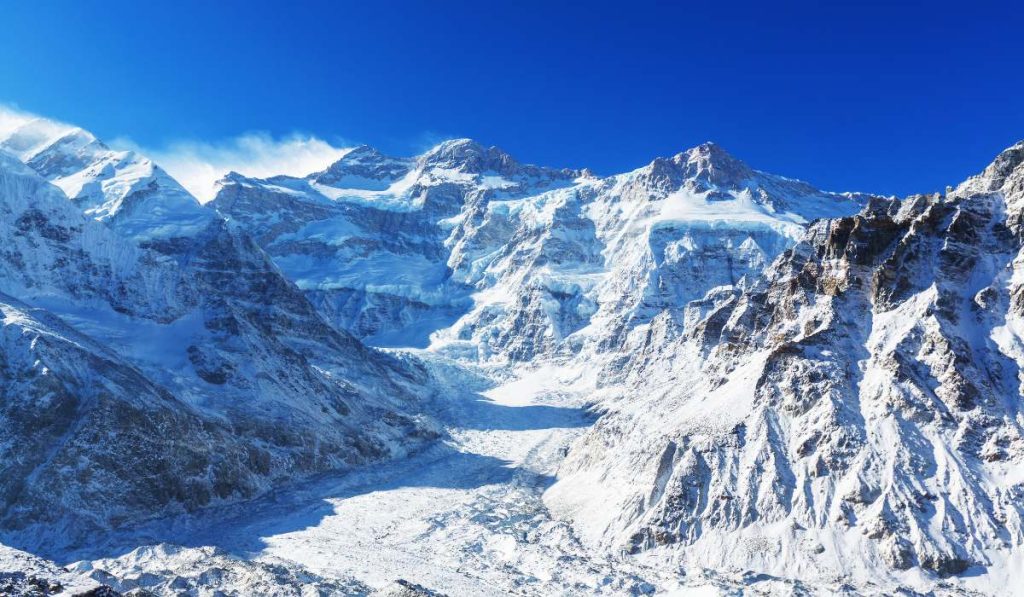
Winter (December–February)
Winter turns the Kanchenjunga region into an extreme alpine zone characterized by its harshness and relative silence. It is a season suitable only for the most skilled and experienced trekkers who are okay with intense cold.
The higher areas can be so cold that the temperature can drop to -20 degrees Celsius. Likewise, the trails often get covered with thick snow layers. Besides, the ice can be so strong in some parts of the trail that you can only cover a small distance in a long time. Passes like Sele La and Sinion La often become heavily snowed in, thus blocking the routes leading to North and South Base Camps.
Besides all the hardships, winter brings a certain kind of beauty to the areas. You can expect blue and clear skies, mountains with the glitter of fresh snow on them and the silence that cannot be felt at other times of the year when the valleys are full of tourists.
The Kanchenjunga region is more isolated in winter since the number of open teahouses is greatly reduced, especially in the upper villages like Ghunsa, Lhonak, and Ramche. Most villagers descend to lower places to skip extreme cold conditions resulting in bare minimum accommodation and food for the passing trekkers. In this scenario, you are likely to carry extra supplies and be self-reliant over long periods of time.
The trail markings along the way can be covered by snow which leads to navigation challenges. Likewise, the cold freezes water bottles, drains batteries fast and makes pathways slippery.
If you opt for a winter hike, the cold weather gear and a flexible schedule for potential weather delays are necessities. Moreover, satellite phones, power banks, and emergency supplies will tremendously boost safety.

Monsoon (June–August)
The monsoon season is when trekking in the Kanchenjunga region should be avoided due to the heavy rains and unpredictable weather conditions. The heavy, relentless rainfall soaks the entire region. As a result, rivers swell and the trails become slick and muddy.
In addition to this, landslides and road blockages are common, especially in the lowlands where getting to the trailheads is difficult and risky. The Himalayan range is totally covered with thick clouds and continuous fog. The wet and unstable trails, combined with the limited visibility, make trekking in the monsoon demanding and unpleasant.
On the other hand, the natural scenery that comes along with the season is striking. The green forests and overflowing waterfalls, rivers and lakes form visually magnificent scenes. But the possibility of leech infested trails increases, adding discomfort and slowing down the progress. Likewise, accommodation may also decrease as some teahouses shut down for a while due to the heavy rain and less tourist presence.
If you do decide to go on a Kanchenjunga trek during the rains, consider it a long adventure, but you will be rewarded. The wilderness during the monsoon season is quite a spectacle, as if a wizard had cast a spell over it with heavy rain, loud thunder, lightning, and the dramatic surge of rivers and waterfalls.
The combination of these mighty natural forces forms a unique mood, different from the other three seasons. However, it is only a challenge that a handful of very strong and well-prepared hikers will accept.
Spring (March-May)
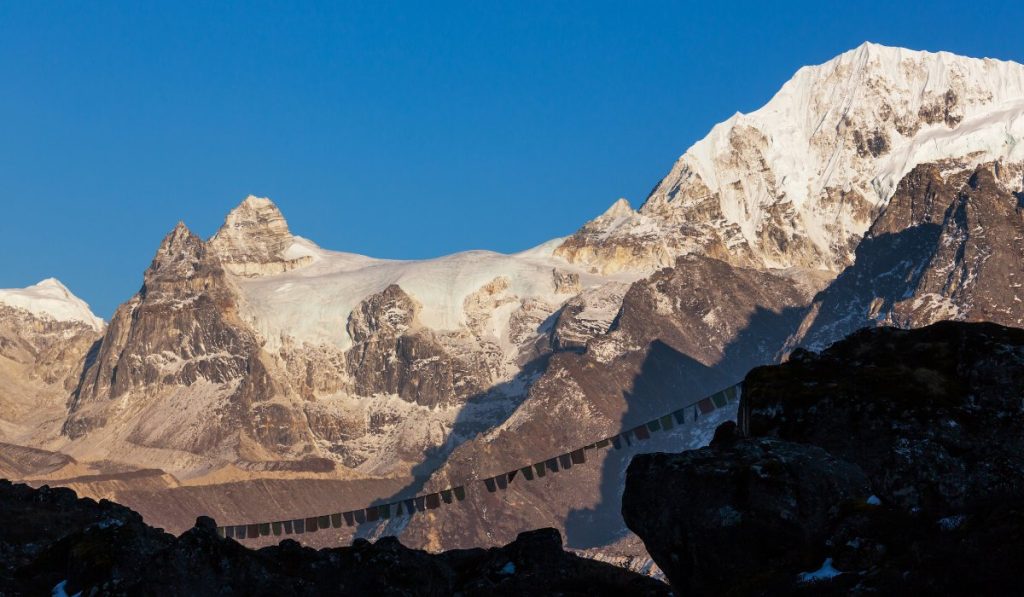
Spring is characterized by pleasant and reliable weather conditions and wonderfully colorful nature. The winter is gradually replaced by warmer temperatures, making the walks on the trails more comfortable.
The snow at the higher elevations starts melting, hence many of the upper trails including high passes, are easily accessible. The daylight is often bright and clear and the sky is deep blue, bringing out the sharp view of the majestic Himalayan panorama.
Even though the early spring may come with occasional clouds or light rains, they never last long or impact the trekking experience in general. The mild temperatures, better hiking trails, and predictable weather make spring a super reliable and the most desirable hiking season.
One of the major attractions in spring is the color riot around the whole Kanchenjunga Conservation Area. There is a full bloom of the rhododendrons, magnolias, and many alpine flowers turning the forests into colorful passages of red, pink, and white flowers. The sightings of wildlife such as musk deer, blue sheep, and many species of birds are possible. The lowland jungles and the ice-covered mountain tops attract the attention of the trekkers going through the trail.
Spring generally has very good weather for visibility. Particularly in the early hours, the panoramic view of Kanchenjunga, Jannu and the others of the Himalayan range is super clear. Spring trekking is very much pleasing because of the nice weather and the active local people who are always around. After the winter shutdown, the teahouses completely reopen providing warm meals and safe places to sleep.
Temperature changes are always possible and there might be some late-winter snow in early March, but if you are properly layered and prepared, you will have an easy journey. Overall, favourable weather, natural beauty and cultural encounters make spring the most rewarding season to go for the Kanchenjunga trek.
Best Time for Kanchenjunga Trek – Weather Conditions

Trekking conditions in Kanchenjunga differ extremely from season to season. The spring season is characterized by pleasant temperatures, sunny and stable weather, and colorful and beautiful landscapes. Tracks are easy to follow, visibility is excellent and as a result, it is one of the most enjoyable, scenic times to trek.
Autumn has similar or even better conditions. It offers coolness, dry climate, and superb mountain views after the rains have cleared away dust and haze.
On the other hand, winter represents both the harshness and beauty of nature. Heavy snow cover, freezing temperatures and trail closures are common. However, it also reveals the region’s stark beauty, with snow-blanketed valleys and a peaceful, almost mystical atmosphere.
The monsoon season brings continuous downpour that turns the paths muddy, the rivers swollen, landslide risks high and makes the leeches active, making it the least favored time for trekking.
With spring, the days are warm, the forests are full of blossoms, there is active wildlife, and temperatures are moderate. The trekking experience is vibrant and colorful which goes from the lower valleys to higher viewpoints.
Autumn offers the best visibility, cool yet pleasant temperatures, and regular weather patterns. It is an ideal time for people who want to see the mountains clearly and walk on easy trails. For skilled adventurers, winter is a scenic time with cold related challenges.
Whereas the monsoon attracts those who want to see the lush vegetation and experience the dramatic weather with caution and skill. All in all, spring and autumn are the most reliable and favorable seasons for the Kanchenjunga Trek.
When is the Best Time for Kanchenjunga Trek? – Temperature Variations
| Seasons | Temperature ranges |
| Spring | 2-20 degrees Celsius |
| Aututmn | 8-22 degrees Celsius |
| Summer/Monsoon | 0-18 degrees Celsius |
| Winter | -5 to -12 degrees Celsius |
Temperature on the Kanchenjunga Trek varies greatly with elevation and the season. The spring season is mild and cool, which makes it comfortable for trekking. On the other hand, summer/monsoon is hot and humid. The autumn season is characterized by cool days, chilly nights, and dry, stable weather. Lastly, the winter season brings extreme cold to the region.
In short, the Kanchenjunga Trek is highly recommended in spring and autumn because of the pleasant mild temperatures.
Best Time for Kanchenjunga Trek – Crowd Levels and Trail Conditions by Season
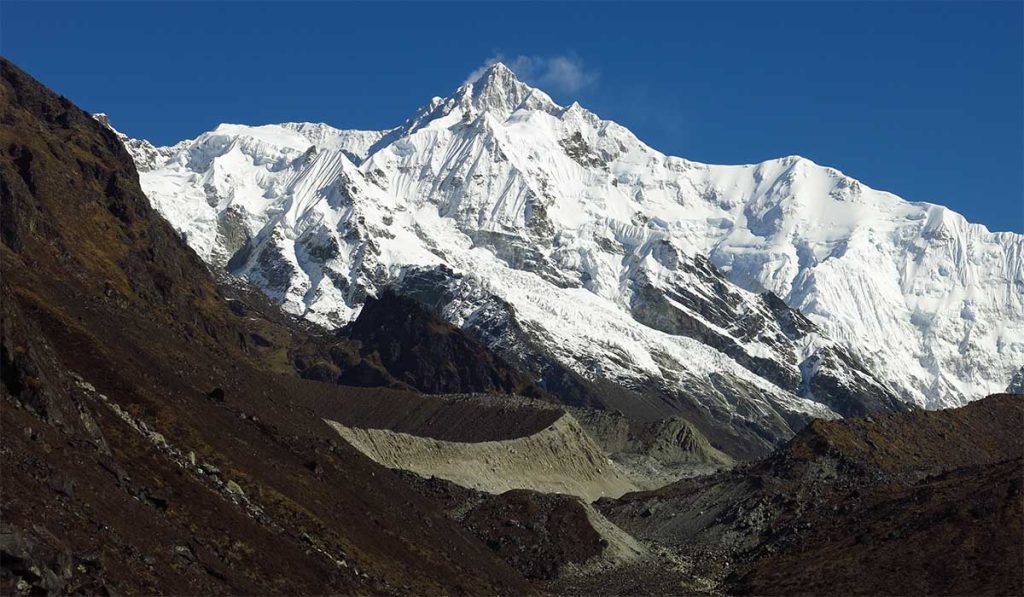
The Kanchenjunga Trek is undoubtedly at its best in spring and autumn regarding the perfect trail conditions. In spring, the melting snow at higher elevations makes the trails firm and accessible. The lower parts are in easy to walk conditions and river crossings are mostly safe and easy to deal with.
The crowds in the spring remain moderate. Though more trekkers come in as the season goes by, the relative isolation of the Kanchenjunga area guarantees that the trails are not overcrowded.
The trail conditions are mainly at their best in autumn. You can expect dry and stable paths, easy crossings of calm rivers, and minimal risk of landslides. More trekkers are attracted to the season, so the major teahouses and lodges may be busier. But the wilderness of the circuit will always guarantee that even during the peak times, overcrowding will not be experienced.
The off-season months, monsoon and winter have the least amount of trekkers. Monsoon seasons bring along torrential rains, leeches, and muddy and slippery trails. The possibility of landslides and trail washouts is also significantly higher.
Winter brings heavy snow accumulation in the high passes that may cause trail closures. Due to the extreme cold, there is low trekker traffic at this time. Since only a few teahouses are open, services become limited, making it harder to find accommodation, food, or support along the route.
Looking at it from all these angles of stability of trails, crowds, safety and access, the best overall times for the Kanchenjunga Trek are spring and autumn.
Best Time for Kanchenjunga Trek for Photography
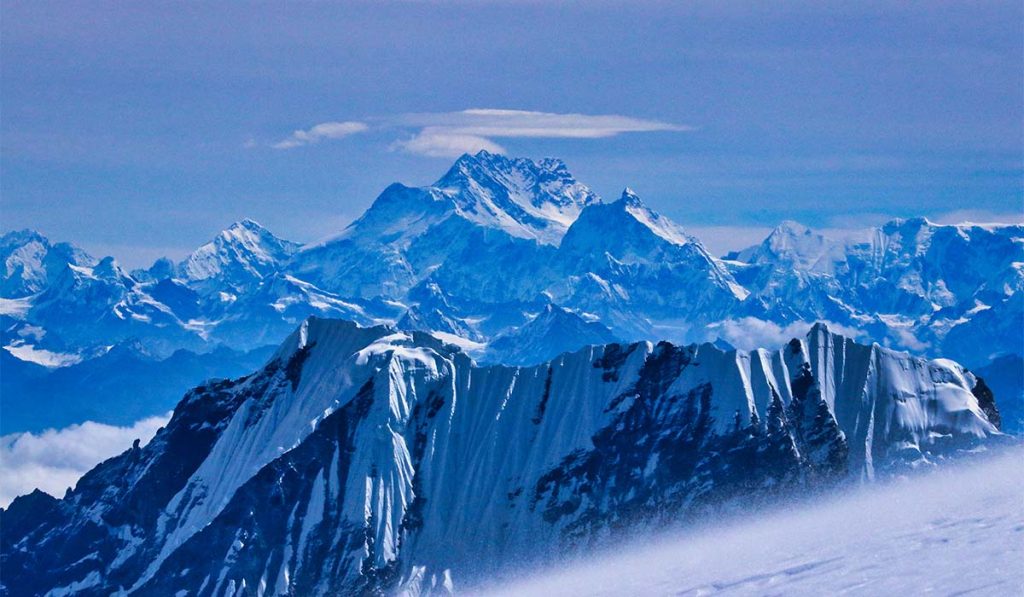
If the focus is on photography, the autumn months are the best time to opt for. The season is characterized by the clearest conditions throughout the year. The rains during the monsoon clean up the atmosphere and leave the skies brilliantly blue while the air is very pleasant and dry. This clarity attracts photographers to capture ridge lines, sharp horizons, and wide-angle shots of the Kanchenjunga massif, etc.
The lighting is very favorable, with gentle golden shades at sunrise and sunset, long shadows, and stable weather patterns that reduce the likelihood of clouds blocking the main viewpoints. The season also displays the vivid contrasts of the mountains in bright white, the sky in deep blue, and the lower forests turning yellow, all giving out a wide range of textures and colors for photography.
Spring is the second-best season for mountain photography for many photographers. The rhododendron forests, alpine flowers and lush greenery beautifully frame the mountains. The snow on the upper peaks is still fresh from winter giving the Kanchenjunga range a clean, sculpted look.
The combination of colorful foregrounds and snowy summits creates some of the most dynamic compositions of the year. Those who like a more vibrant, rich color, layered landscapes, and strong visual contrast, spring photography gives great results.
Off-season times are less dependable but can attract photographers who seek rare or extremely beautiful shots. Winter provides incredibly clear skies after the snow and fresh air allowing for striking high-contrast shots.
Still, the bitter cold and snow often limit the time you can spend taking photos.
Monsoon season usually brings about the worst of all conditions. However, some photographers love the unique and moody images such as misty forests, cloud inversions, waterfalls at full flow, and lush green landscapes.
How is the Kanchenjunga Trek During the Off Seasons – Winter and Monsoon?
The heavy and persistent rain in the monsoon causes the trails to become muddy, slippery, and unstable, increasing the chances of landslides, trail washouts and swollen river crossings. Thick clouds often cover the mountains and greatly reduce their visibility.
At lower elevations, the humidity is so high that it brings leeches, making the hikes through the forests unpleasant. Likewise, teahouses either cut back their hours or shut down completely, leading to unpredictable logistics.
Wintertime brings a whole new set of challenges with very low temperatures and heavy snowfalls in the alpine mountain areas. Mountain passes and some trail sections may get blocked and become inaccessible.
Nighttime temperature drops very quickly and this calls for technical winter gear. Likewise, a small number of teahouses remain open, making the services of food, heating, and accommodation very irregular.
If you insist on trekking in the off-season, then the preparation must be very strict. Winter trekkers will need to take with them insulation gear of excellent quality, and microspikes or crampons and must be ready for itinerary changes because of snow.
Those who try to do monsoon treks need to have waterproof clothes, anti-leech measures, and will need to be very patient with poor visibility and rain, along with flexible travel plans.
In both seasons, it is a must to hire a local guide who has good experience, since the conditions of the trails can vary every day. Furthermore, pre arrangement of accommodation is necessary to ensure a decent place of stay and hassle free journey.
Also Read: