

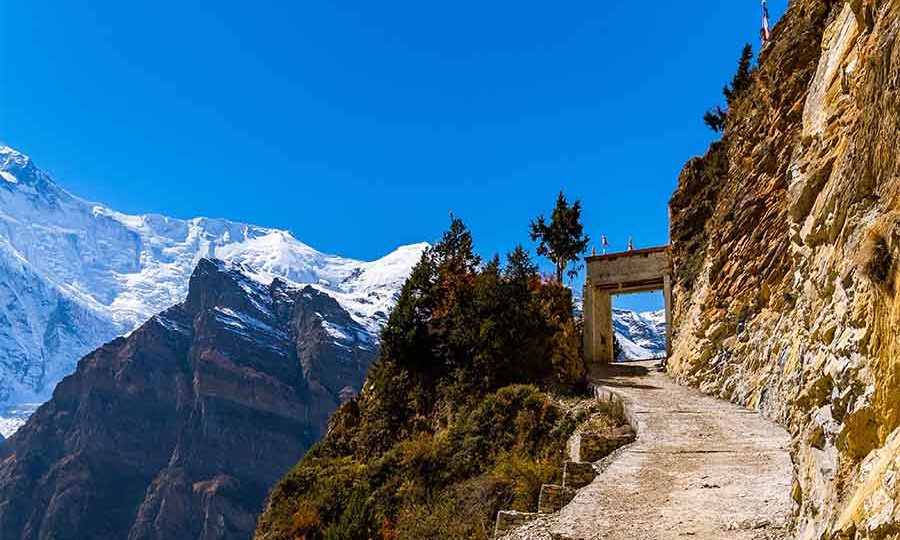
Annapurna Circuit Trek is difficult but not extremely hard. A moderately experienced trekker with sound physical fitness and mental resilience can complete this trek successfully. The trek comprises lengthy days of walking on steep high altitude terrains which is exhausting, particularly for trekkers who are trying it for the first time. With that said, the unparalleled experience of marvelling at the snow capped mountains, exploring historic temples and spending nights in traditional villages is irreplaceable.
In all, even though it is challenging to undertake the Annapurna Circuit Trek, it is by no means an impossible feat. With trails over 5,000 meters and tough, steep walks daily push your physical endurance, flexibility and mental resilience. But these are compensated by the breathtaking scenery, friendliness of the locals and the sheer variety of landscapes and cultural encounters en route.
For the properly equipped and prepared person, the dividends are enormous. With planning, determination and a spirit of adventure, the Annapurna Circuit provides a life-altering experience of traversing one of the earth’s finest mountain landscapes.

How Difficult is The Annapurna Circuit Trek?
Annapurna Circuit Trek difficulty level is moderate. It is not a technical climb, nor are specialist skills required. But the length, altitude and physical demands make it well beyond easy or beginner’s treks. You will typically spend 15 to 20 days trekking with daily ascents and descents on rough and often steep ground. The trek consistently rises from approximately 800 meters to 5,416 meters, and altitude is one of its most defining and challenging features. Other than altitude, trekkers need to be prepared for cold temperatures, especially at the higher elevations and potential snow or ice, depending on the season.
While the Annapurna Circuit is not suitable for complete beginners, it is achievable for those with good physical fitness, some prior hiking experience and diligent preparation. The trail is well-worn and has extensive teahouse infrastructure, which minimizes logistical hassle, but it still requires mental toughness and physical stamina. Trekkers can expect a mix of long walking days, altitude problems, and climatic volatility. For those who are prepared to overcome these difficulties, the trek is deeply rewarding and unforgettable.
Is The Annapurna Circuit Suitable for Beginners?
For the healthy and determined beginners with sufficient physical conditioning and a commitment to prior training and preparation, the Annapurna Circuit can be a feasible endeavor. Guided tour or porter assistance, slow pace of the trek and acclimatization help make your adventure secure and much more enjoyable. The presence of villages and teahouses along the trail also allows for frequent rest and cultural exposure, thus rendering the trek more within reach than some of the more remote Himalayan trails.
However, inexperienced trekkers must be careful, especially at high altitudes. The trek entails long walking days, strenuous ascents and descents and unpredictable weather conditions. Without the right preparation and awareness of the mountain environment, the trek can be much challenging. Therefore, while not the most convenient choice as a first timer, the Annapurna Circuit can be suitable for adventurous enough if they come physically prepared, mentally ready and logistically well organized.
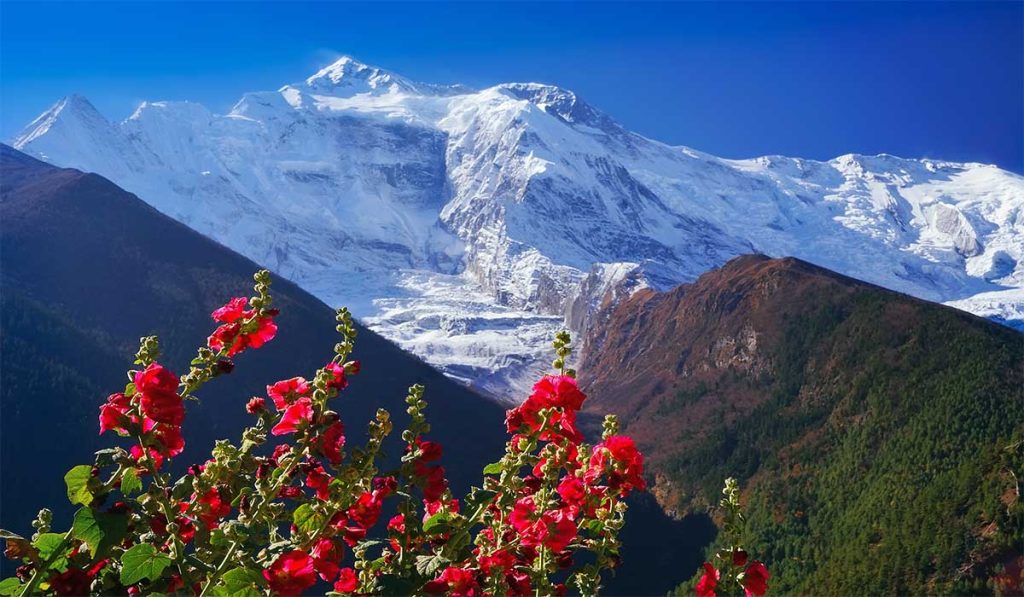
Daily Trekking Distances and Elevation Gains on Annapurna Circuit Trek
The Annapurna Circuit Trek has a gradual and consistent rise in altitude, with 4 to 8 hours’ trekking a day, depending on the trail. The trek begins in the green lowlands with driving from Kathmandu to Bhulbhule (840 m). For the first couple of days from Bhulbhule to Chamje (1,430 m) and Chamje to Bagarchhap (2,160 m) trekking is a consistent ascent through subtropical forest and hillside terraces. In these early stages, you will acclimatize by gradually walking longer distances while steadily gaining altitude, generally rising 600 to 800 meters a day.
As the trek progresses further from Bagarchhap to Chame (2,630 m) and goes even higher to Pisang (3,190 m) and Manang (3,540 m), the increase in altitude can be realized, and the landscape begins to shift towards alpine. The elevation has been raised by nearly 2,700 meters by the time you reach Manang. A rest day at Manang to acclimatize is important, especially before ascending to higher altitudes. Here the path is more challenging with a short distance but more elevation gain rising up from Manang to Ledar (4,250 m) and then High Camp (4,925 m) before crossing Thorong La Pass (5,416 m), the peak of the trek.
After the pass, you will progress downhill but trekking days remain long. At High Camp to Muktinath (3,800 m), there is a tough 7–8 hour ascent followed by a gradual walk down through Marpha (2,670 m), Kalopani (2,460 m) and on to Tatopani (1,190 m). You then climb again to Ghorepani (2,870 m) before concluding the trek at Nayapul and driving to Pokhara (820 m). While the walking time and height gain each day may be strenuous, the predictable schedule of ascent, acclimatization break and diverse landscape make the trek highly rewarding and accomplishable.
Annapurna Circuit Difficulty – AMS Risks and Acclimatization
Acute Mountain Sickness (AMS) or altitude sickness is one of the primary risks for Annapurna Circuit trekkers due to the steep ascent to high altitudes. Anyone ascending above 2,500 meters can suffer from the symptoms of altitude sickness.
The alpine mountain journey of the Annapurna Circuit Trek involves multiple high points along the trails. The significant ones are Ledar at 4,250 meters and High Camp at 4,925 meters. On top of that, the most difficult section is the ascent and crossing of Thorong La Pass, the highest point on the trek at 5,416 meters. The oxygen here is approximately half that of sea level and will possibly lead to altitude sickness. It has symptoms such as shortness of breath, tiredness, nausea and headaches even for healthy individuals.
To reduce risk with AMS, acclimatization must be done. Acclimatization means to provide the body with a chance to adjust to the lower air pressure environment. The body adapts slowly by having rest days at carefully planned locations such as Manang or Muktinath. Besides, eat healthy, hydrate well, don’t drink alcohol and heed your own body’s warnings to acclimatize.
Trail Conditions and Terrain Challenges as Annapurna Circuit Trek Difficulty
The Annapurna Circuit possesses mixed trail conditions. It ranges from dirt trails and stone stairways to rock-filled paths that are quite narrow and unstable. While some sections near villages are more developed, much of the route traverses remote, rough terrain. The higher you go, the more human presence diminishes and the land grows wild, marked by vertical cliffs, glacial rivers and desolate mountain passes. All these mixed surfaces require you to have a good balance and take each step with care.
Terrain challenges along the way involve steep climbs and descents that drain leg power and stamina. Moreover, there are rocky paths and steep ascents to knife-edge ridgelines and scree slopes. Plus, vertical ascents on rock faces or stumbling over unstable gravel are exhausting and challenging. They need careful footing and cautious movement to avoid harm.
Likewise, suspension bridges, river crossings, thin ridges, landslide prone areas and snow covered passes also add to the excitement and unpredictability of the hike. These virgin and wild mountain tracks challenge not only your physical stamina but your balance, coordination and mental strength as well.
To deal with the tough trail and terrain conditions of the Annapurna Circuit, good quality trekking boots, layered clothing, and equipment for unexpected weather conditions are a must. Having a good attitude and the capability to make wise decisions in sudden circumstances also helps. Overall, the wildest remoteness of the Annapurna Circuit is part of the attraction, but that means you have to be self-sufficient, vigilant and willing to take the mountain on its terms.

Weather Conditions in Increasing the Annapurna Circuit Trek Difficulty Level
The Annapurna Circuit route passes through a broad range of altitudes and climatic zones from subtropical valleys to alpine highlands. Hence, you can be exposed to anything from warm sunshine to snow and freezing air over a short period of time. Unpredictable weather, especially at higher altitudes, means you need to pack appropriate equipment and clothing. Even during the peak trekking seasons of spring and autumn, rain or snow might come about unexpectedly. This greatly impacts the trail conditions and convenience.
Among the greatest weather threats is the potential for snow and strong winds at high passes such as Thorong La. Fog and snowstorms can cut the visibility and disorient you, resulting in accidents. In peak winter, huge snow accumulation may lead to the blockade of trail sections, making it impossible to pass. Similarly, the monsoon months (June to August) are marked by heavy rainfalls that make lower trails soggy, slippery and prone to landslides.
Further, fluctuating temperatures, freezing at night and sunny during the day, have the potential to induce body fatigue as well as impair rest and recuperation. Cold, particularly in high-altitude regions, is a high risk for hypothermia. Such inclement weather requires sophisticated planning, having reliable gear and being flexible in the itinerary.
Preparation for the Annapurna Circuit Difficulty
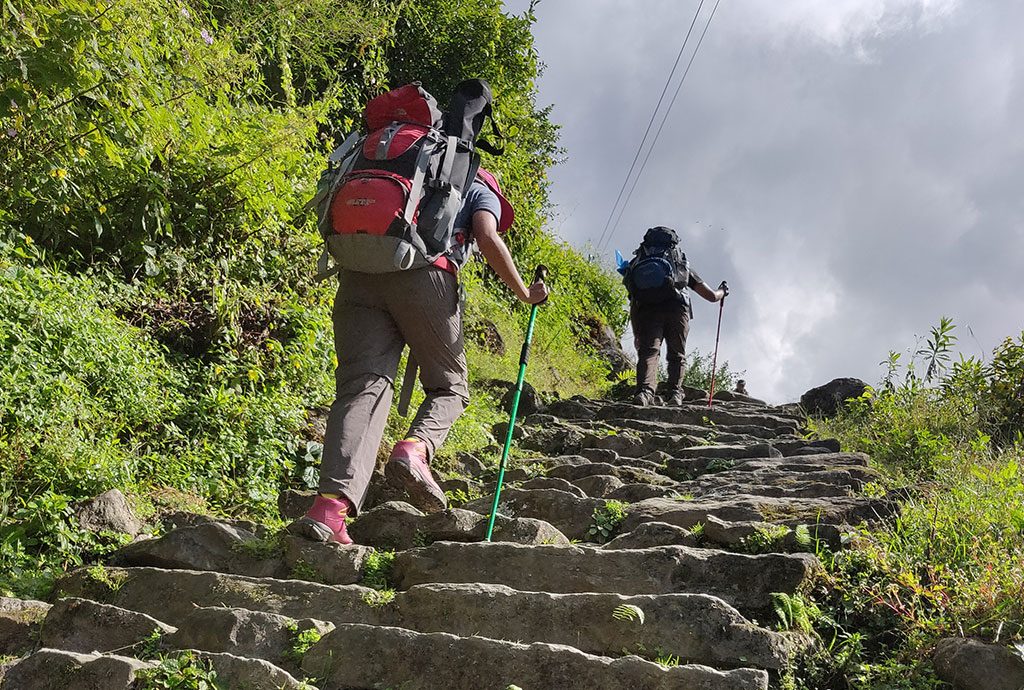
Physical Conditioning
Annapurna Circuit trekking is a challenging test of your physical endurance. It is around 160 to 230 kilometer hike depending on the route. The routes are diverse and rugged with steep uphills and downhills. Moreover, the high-altitude Thorong La pass of 5,416 meters, tests your stamina and endurance level to the fullest. Trekkers with weak physical fitness can tire out, suffer from altitude sickness or get injured easily. Having prior knowledge of the difficulty factor and conditioning the body well in advance is important for a secure and pleasant experience.
It is important to engage in a good physical training session at least two to three months before the trek. Cardiovascular conditioning is the paramount necessity that is achieved by performing activities such as hiking, running, swimming or cycling. Strength training is also equally important, particularly for legs, back and core. Plunges, squats, push-ups, pull ups, deadlifts, etc are a few of the exercises that enhance your overall stamina. In addition, consider hiking uphills (stair climbing or hill walking) for a few days, carrying a pack to mimic true trail dynamics.
Furthermore, include flexibility and balance exercises to enhance trekking performance and reduce the risk of injury. Muscle conditioning and joint conditioning for uneven terrain can be done through yoga, dynamic stretching and agility exercises. Wherever possible, acclimate by practicing hikes at increasingly higher elevations to condition your body to thinner air gradually. Generally, a conditioning program inclusive of the specific demands of high-altitude trekking is necessary to successfully complete the Annapurna Circuit.
Mental Endurance
The Annapurna Circuit demands strong mental endurance. Long days of continuous walking through tough terrain, unpredictable weather and challenging high altitude conditions can push even experienced trekkers to the limit. Mental exhaustion can build up whenever the trip starts to get vexing, like taking steep climbs or dealing with limited everyday comforts.
Mental toughness may be achieved by possessing a positive attitude and setting realistic expectations. Embracing the slowness, tiredness and pain as part of the trekking can help ease the journey psychologically. Meditation, mindfulness or slow breathing before starting the trek may also strengthen your ability to be calm and composed in adverse situations. The conditions in the high Himalayas can change very quickly, so patience and flexibility are also called for.
Finally, having a clear purpose or self motivation can push you through the toughest section of the trail. Trekking with positive and supportive friends, blogging your experience or deeply connecting with the nature that surrounds you can also develop mental toughness.
Hiring Guide and Porter
Hiring a guide and porter is a practical and often essential part of preparation for the Annapurna Circuit trek. Although the trail is well trekked, it can still be hard to follow, especially in poor weather or remote sections. A local guide gives valuable knowledge of the trail, culture and emergency procedures. Their expertise can spare you from being lost and give you updated advice on trail conditions as well as greater insight into the local villages that you pass through.
Porters play a valuable role by carrying your heavy baggage so you can conserve energy and focus on the trek itself. Steep inclines, long distances and high-altitude terrain in the Annapurna Circuit can make the physical fatigue set in very quickly. By reducing your load, a porter makes the trip more comfortable and you are less likely to suffer from knee and back sprains.
When choosing a guide or porter, it is preferable to go through a licensed agency or get recommendations to determine reliability and good treatment. Make sure that they are insured, well paid and provided with good equipment. Cultivating a respectful rapport with your guide and porter can enrich your overall trekking experience.
Choosing the Favorable Time
Choosing the right time of the year is critical to a safe and enjoyable Annapurna Circuit trek. Weather conditions in the Himalayas are harsh and unpredictable, and timing your trek during good seasons ensures safety, better visibility, and a more comfortable experience. Spring (March to May) and Autumn (September to November) are the two most recommended trekking seasons.
Spring brings about warm weather, blooming rhododendrons, and blue skies. It is a perfect time for photography and appreciating nature on the trail. Autumn is the overall best season, with its stable weather, clear mountain views, and post-monsoon freshness. Both seasons also experience more reliable trail access and open teahouses, which at other times of the year may be limited.
For most trekkers, it is best to avoid the monsoon (June to August) and winter (December to February). Monsoon is a time of heavy rainfall, leeches, and landslides, whereas winter has the drawbacks of snow-covered passes and bitter cold, particularly at high altitudes such as Thorong La.
Hence, ultimately spring and fall are the optimal times to schedule your Annapurna Circuit Trek for to have the best experience. Not only does a good time ensure better safety and comfort, but it also adds to your overall enjoyment and satisfaction with the journey.
Good Packing
Packing properly is one of the essential aspects of getting ready for the Annapurna Circuit trek. Since your gear must be carried over long distances and across difficult terrain, effective packing will have a considerable impact on your comfort and performance in the trail. Pack light, multi-use items that are necessary for warmth, protection and convenience first. Overpacking will lead to unnecessary exhaustion and underpacking can put your safety and comfort at risk by leaving out important gear.
Layering your clothes is the key to being comfortable in the varying mountain weather and temperature. Add lower layers of moisture wicking, mid layers to insulate and outer layers for wind and waterproofing. This will provide a quick response to temperature changes between warm days and freezing nights.
Packing in a way to have easy access to often used items will be a time and energy saver on the trail. Preload snacks, water, sunblock and a first aid kit in accessible pockets. Store clothes separate from electronics or toiletries in cubes or stuff sacks. Try to carry your pack weight on practice hikes before departing on the trip so you will be better accustomed. Good packing isn’t what you bring, but how you put it together and how you carry it. So, it’s a critical element of overall preparation.
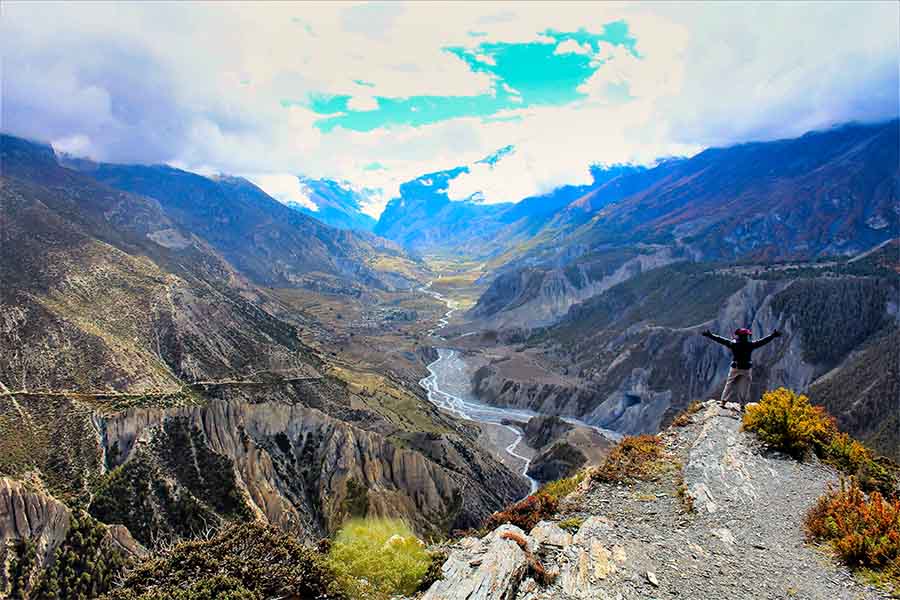
Useful Tips to Counter Annapurna Circuit Difficulty
- Condition your body with long walks and ascents before your trek.
- Have the rest days at higher altitudes to acclimate your body.
- Walk slowly, rushing in the mountains will lead to altitude sickness and possible injuries.
- Keep up with good hydration and consume fresh, healthy and nutritious meals.
- Dress in light insulating layers.
- Wear hiking boots that are fully broken in to avoid blistering.
- Essential items include a water filter, snacks and sunscreen.
- Every day is essential to start early in the morning to avoid potential afternoon winds and cloud cover.
- Listen to the body: if AMS symptoms appear to be becoming increasingly severe, then it is wise to descend immediately.
- Get insurance for trekking at high altitude and covering an emergency helicopter rescue.
- Have buffer days to make the itinerary flexible for resting, weather delays or altitude-related issues that may arise.
- Use trekking poles to avoid knee strains.
- Carry sufficient cash as ATMs along the way are limited or not available at all.
- Make sure to check the weather forecast before crossing high passes.
- Pack light; every kilogram counts when trekking long days.
- Wear a buff or a scarf to shield yourself from cold wind or dust.
- Carry power banks so you can charge your gadgets in case the electricity is unavailable in far flung areas.
Conclusion
From a general perspective, the Annapurna Circuit trek is one of the most scenic and adventurous mountain odysseys. When someone asks how hard is Annapurna Circuit trek, the answer is: it depends on an individual’s fitness level, training and capacity to acclimatize for high altitude and unpredictable weather. Annapurna Circuit trek difficulty level is generally medium to challenging with its lengthy trails, steep ascents and high passes.
So, how difficult is Annapurna Circuit trek? It is not a technical climb but still requires good endurance, proper acclimatization and excellent mental willpower. Through good planning, physical training and the correct mental attitude, trekkers can not only finish the trek but also be able to appreciate to the fullest its raw beauty and cultural wealth. For detailed guidance, customized itineraries, or help planning your Annapurna adventure, contact us today – our experienced trekking experts are here to help you every step of the way!