

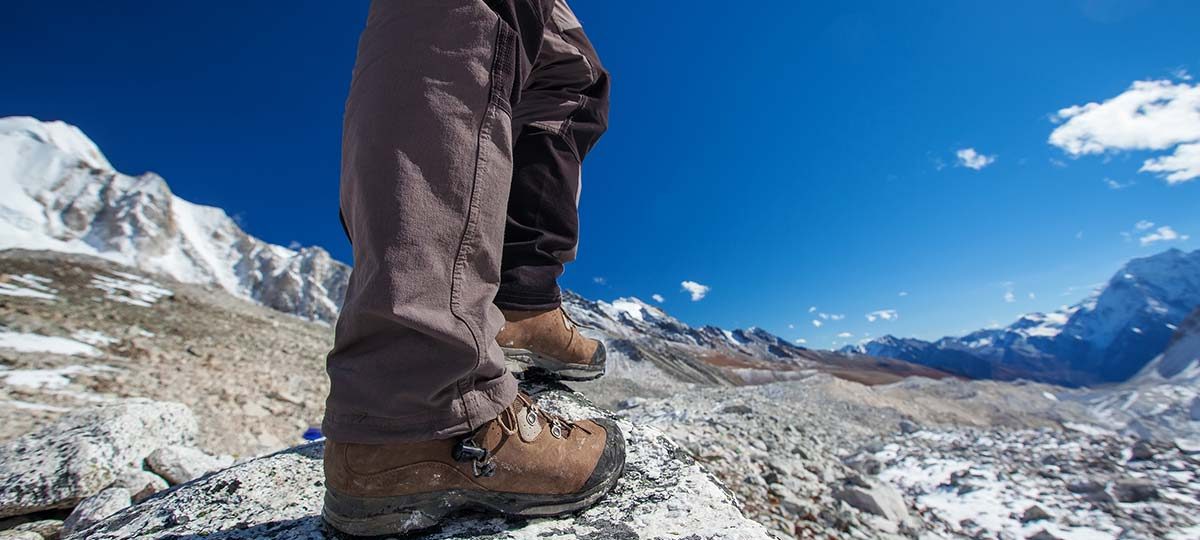
The Manaslu Circuit Trek is a challenging and remote trekking route that loops around Mount Manaslu, the world’s eighth tallest peak (8,163 m). Located in the Gorkha District of north central Nepal, the trek goes over high mountain ridges, deep river gorges, ancient Buddhist villages and untamed Himalayan scenery. It is generally considered the less touristed and more genuine mountain trekking while providing both natural splendor and cultural authenticity.
Manaslu Trek difficulty is characterized by a combination of its high altitude, multi day duration and limited infrastructure. Basic accommodations, minimal infrastructure and limited access to emergency services are part of the journey. It is a restricted zone, so foreigners must acquire special permits and go with an approved guide. Much of the trek is in very isolated areas with limited road access, basic teahouse lodgings and extensive distances with no modern amenities. It is a serious mountain trek and needs proper preparation, good physical health and mental resilience.
However, for those who are ready, the reward is well worth it. The planning that goes into it can be more detailed than for some of Nepal’s more frequented treks, but the sense of achievement on undertaking and completing this bold Himalayan expedition is unmatched.

Manaslu Circuit Trek is the finest Himalayan trip offering a mix of physical test, cultural authenticity and untouched landscapes. The difficulty is precisely why the trek is so fulfilling. If you seek an actual Himalayan adventure that’s not on the beaten path, the Manaslu Circuit is a challenge well worth accepting. You will encounter fewer tourists, gain insight into high altitude village life and experience nature in its rawest form. For those with an adventurous spirit and a mind prepared, it is a journey worth undertaking.
Manaslu Circuit Trek Difficulty- Duration and Daily Distances
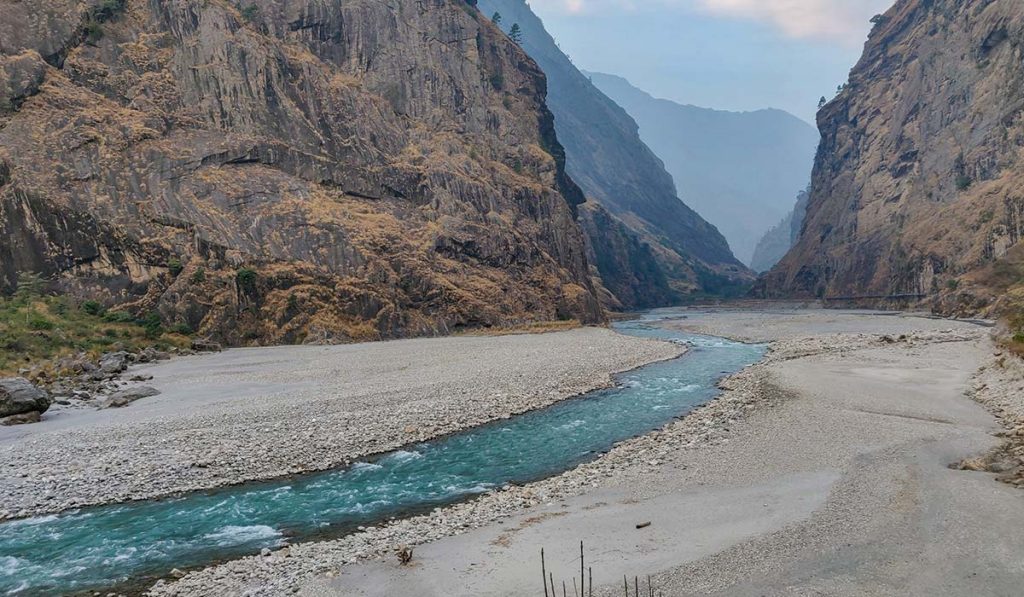
Manaslu Circuit Trek takes between 14 to 16 days to complete depending on variables such as itinerary, trail taken, acclimatization needs, your fitness and speed and so on. The trekking distance is about 160–180 kilometers during which you will pass through a wide variety of landscapes. Thick forests, isolated villages, ancient heritages, suspension bridges, river canyons, alpine meadows and rugged valleys are along the trail, offering a dense mix of natural beauty and cultural richness.
The days are long, with anywhere from 6 to 8 hours of walking. Certain sections demand even more time on the trail especially when tackling areas of higher elevation or especially rugged terrain. The daily distances typically range from 10 to 15 kilometers. Though the per day walking length appears reasonable, the combination of steep elevation gains and rugged terrain places significant physical and mental demands on trekkers. Steep climbs, rocky descents, and unpredictable weather at high altitude can wear down a trekker’s stamina faster than expected.
Certain days cover as little as 6 to 8 kilometers but the rugged mountain slopes, boulder-strewn ground and thinning oxygen make every step appear slow and laborious. The climb to Larkya La Pass is particularly demanding as it involves a pre dawn beginning, several hours of ascent and a long, vertical descent on the other side. Fatigue is additive and can build up quickly, especially without steady pacing and rest.
Training in advance with short hikes, strength workouts and cardio exercises can also be a great deal of help in minimizing stress while on the trail. A steady walking pace, plenty of hydration and feeding the body with wholesome food also become a fundamental part in energy conservation. With proper planning and self-care, the Manaslu Circuit is a highly rewarding accomplishment.
For any inquiries, please contact us.
Elevation Gain and Altitude Challenges During the Manaslu Trek Nepal
The Manaslu trek route involves continuous ascent over days. You will ascend gradually from the low altitude trailhead like Soti Khola (around 700 meters) to ultimately reach the peak of trekking at Larkya La Pass (5,106 meters). This progressive elevation gives you rest and acclimatization time, but elevation changes do impose considerable stress on the body.
The risk of acute mountain sickness (AMS) is greater as you ascend to altitudes above 3,000 meters. You need to ascend gradually to allow your body to acclimatize. Headache, fatigue, nausea and dizziness are a few of the symptoms that may arise if the body cannot acclimate. All these can compromise your strength, concentration and safety during the trek.
The biggest challenge is the Larke Pass where there is considerably thin air. At a breathtaking height of 5,106 meters, oxygen levels drop drastically and the body experiences more difficulty functioning like it would under normal conditions. This increases the risk of AMS which can strike anybody, regardless of how fit or used they are to trekking. Thus, pre high-pass days acclimatization, especially at Sama Gaun or Samdo, is extremely important. Our itinerary has an acclimatization day at Sama Gaun to help you get used to the decreasing oxygen levels in thin alpine air.
Slowing down and walking steadily, taking regular breaks, staying hydrated, eating energy rich meals and avoiding alcohol and cigarettes can all help your body adjust to the altitude difference. Diamox (acetazolamide) is also consumed by some trekkers to reduce the effects of AMS. If the symptoms worsen, the best course of action is to descend to a lower elevation as quickly as possible.
Manaslu Circuit Trek Difficulty – Trail Conditions and Terrain
The Manaslu Circuit Trek is graded as moderate to strenuous, testing you with days of continuous walking, ascending and descending steep ridges, high-altitude passes and ever changing mountain weather. There are numerous twists and turns on the trail and the long walking hours can be exhausting, especially on the upper half of the circuit.
The trek features a changing mix of trail types, ranging from busy village routes to rough, alpine mountainous trails. Lower down, the track often winds through cultivated fields, dense forests and suspension bridges across deep river gorges. While these parts are reasonably well signposted and passable, they are occasionally muddy and slippery during rainy periods. The trail gets steeper and narrower with the requirement of precise steps and controlled walking as you ascend higher.
Trail signs might be thinly spaced as you enter more wilderness zones and bad weather makes navigation a challenge. Landslides and swept-away trailstones also occasionally stand in the way. First time trekkers might find such hindrances challenging and must pace and equip properly and stay alert for each step.
The alpine zones are characterized by rolling switchbacks, rocky ridges, loose stones and snowy trails. Nearing Larkya La Pass (5,106 m), the highest and toughest section of the trail, immense endurance, careful walking and sheer willpower are required. The weather is fluctuating leading to a hurried walk in limited visibility. Altitude adds to the difficulty, sapping energy reserves and making even short distances much harder to complete. While not technically demanding, the physical and mental toll is real.
Weather Conditions and the Right Time for the Manaslu Trek
As a high altitude Himalayan trek that covers altitudes from around 700 meters to well over 5,100 meters, you are subject to an extensive range of climatic conditions. At lower heights, days could be warm with sunny skies and at greater elevations, the temperature could plummet greatly, inviting chilly conditions. At the Larkya La Pass elevation, snow, wind and sub-zero temperatures are expected, regardless of the time of the year.
The optimum seasons to do the Manaslu Trek Nepal are the spring (March to May) and autumn (late September to November). They are marked by the most uniform weather, good visibility, minimal rain and snow and better views of the Himalayas. Spring brings rhododendron bloom and vibrant landscapes and autumn has cool weather and clear views of the surroundings after the monsoon has cleaned the dust from the atmosphere.
June to August (monsoon) and December to February (winter) trekking is not usually advisable as there is heavy rain, landslides, heavy snowfall and poor track conditions which are risky. Experienced and well equipped trekkers can try off season months for a less touristy, more immersive and adventure packed trekking experience.
Regardless of season, mountain weather is changeable, shifting from sunshine to rain, snow or strong winds in a couple of hours. A warm morning can quickly turn into a chilly, foggy afternoon, especially at high altitude. This unpredictability can limit the visibility, degrade the trail conditions and affect the general comfort. It is thus essential that you be adequately prepared with layered clothing, waterproof equipment and adaptable plans.

Required Fitness Level to Trek Manaslu
Manaslu Circuit Trek requires a satisfactory level of fitness due to its length, altitudinal gain and challenging terrain. Good cardiovascular endurance, leg and core strength and stamina are required.
Begin conditioning the body at least 8 to 12 weeks before traveling. A fitness regimen of cardiovascular exercises such as running, cycling or swimming is essential to enhance lung capacity and endurance. Strength workouts with legs and core are equally important that help overcome physical stress of uneven trails and steep climbs. Squats, lunges, planks, deadlifts, stair climbs, bicycle crunches etc come under this training. Likewise, flexibility exercises such as stretching or yoga will enhance endurance and prevent muscle damage or soreness.
To better replicate the conditions of the trek, make sure to hike for long distances each week with a loaded backpack. To get your body used to the varied landscape of the Manaslu trail, try walking both an upward and a downward trail. This also works out as an acclimatization practice that will help you better adjust to the altitude shifts during the actual journey.
If you have pre existing issues with your heart, lungs or joints, it is important that you consult a medical professional before undertaking the trek to ensure your health and safety.
Is Mental Preparation Essential to Cope With Manaslu Circuit Trek Difficulty?
Mental preparation is as essential to physical fitness while undertaking the Manaslu Circuit trek. The hike is mentally challenging with its long hours of continuous trekking, isolation and unpredictable weather. You must prepare to cope with exhaustion, altitude sickness and discomfort in basic accommodations, all of which test your patience and perseverance.
The remoteness and ruggedness of the region mean that help is not always readily available, adding an extra psychological challenge. Mental resilience helps keep you composed and rational in difficult circumstances. Positivity and focus can greatly improve your experience and well being on the trail.
Mental conditioning prior to the trek can be done through mindfulness, meditation and visualization skills. Establishing practical expectations, anticipating difficulties and cultivating a positive mindset are central to overcoming stress and doubts. This also supports your emotional control, lowers anxiety and enhances confidence, so it is simpler to adjust to changing terrain, weather fluctuations and physical exhaustion.
Finally, a well-prepared mind is just as important as a healthy body in embarking on this challenging trek.

Manaslu Trek Difficulty – Accommodation and Facilities
The Manaslu Circuit Trek stands apart with its raw, untouched nature, a hallmark feature that both offers profound beauty and great challenge. Unlike the renowned and frequented routes like Everest Base Camp or the Annapurna Circuit, the Manaslu region is more isolated and less developed. Being off the beaten path creates a sense of discovery, but it also means trekking on routes with minimal infrastructure, few comforts and long stretches of isolation.
Accommodation along the Manaslu Circuit has become somewhat better over the past few years. However, it is still primitive and limited than the more established Himalayan routes. Teahouses, operated by locals with simple shared accommodation and warm meals, are standard in most villages on the trail. Rooms are sparsely equipped with twin beds and a small table and have thin walls with little insulation. At lower altitudes, teahouses are able to offer more comfort and variety but at higher altitudes, facilities become increasingly minimal.
Food is available in every overnight stop, with a mix of traditional Nepali and some well known Western cuisine. Although warm and filling, options are limited and ingredients are less available further up you go. Recharging electrical appliances is usually provided at extra cost and the power supply is not always reliable, especially in more rural villages.
Other luxuries such as hot showers, internet and toilets are mixed along the trek. Solar-heated showers and conventional toilets can be expected in lower villages, but expect hot bucket showers and squat toilets at higher elevations. Internet is also provided in some of the teahouses for an additional fee but the connection is slow and unreliable. The locals’ hospitality and scenery are quite worth the limited comforts, though. This renders the trek a genuine and untamed mountain experience for those who are prepared to experience it.
Guide and Porter Role in Managing the Manaslu Trek Difficulty
Manaslu Circuit Trek comprises remote, inaccessible terrain with minimal signage and changing trails. This is challenging for even seasoned trekkers to remain on the correct paths. The region’s elevation and constantly changing weather further add complexity to it. And altitude sickness is common which demands a gradual pace and acclimatization.
Apart from this, the trail also has fewer communications centers and other facilities and expert support becomes essential for logistics and security. Also, the hike is dominated by long walking days with rare rest facilities and hence heavy packs easily lead to exhaustion. They are the reasons why guides and porters are crucial to a successful, manageable and safe trek through rugged and less-touristed Manaslu.
It is highly recommended to employ a guide on the Manaslu Circuit Trek due to the inaccessibility and complexity of the route. Guides are goldmine sources of local intelligence which help you navigate less-marked paths, avoid landslides or danger-prone zones and manage acclimatization schedules effectively. Their cultural as well as geographical familiarity adds more value to the experience you may otherwise remain unaware of.
Porters relieve you of the load of heavy backpacks so that you can focus on the trek without the hassles. They help make the expedition convenient by carrying your personal luggage as well as group supplies or trekking gear. Likewise, their knowledge of the route and altitude is comforting and motivational at times of Manaslu Trek difficulty.
Porters and guides together bring safety and convenience to the Manaslu trek. They are particularly must for beginners to high altitude treks or less traveled Himalayan routes. With these professionals by your side, the demanding Manaslu Circuit is felt more feasible and pleasurable.

What to Pack for an Easy and Comfortable Manaslu Journey?
Intelligent packing is the key to comfort and pleasure of Manaslu trekking. Since the trail goes through various climatic zones from warmer lower valleys to freezing high altitude passes, layered clothing is a necessity. Moisture wicking base layers, insulating mid layers, and a wind and water resistant outer layer are a must.
Choose sturdy, well treaded trekking shoes with good support at the ankles and have a reliable grip. Carry trekking poles for support and relief from strain on your knees when ascending and descending steep inclines. A rain-proof padded rucksack, water bottles or hydration pack that can be refilled and a good sleeping bag with a sub-zero rating will enhance your trekking experience.
The other essential items include sunscreen, sunglasses, headlamp, first aid kit and toiletries. It is also advisable to carry some energy-rich snacks, water purification tablets and a power bank to recharge your electronic gadgets where electricity is limited.
Likewise, trekking permits and other documents such as a visa, a passport and travel insurance are necessary to carry. Also, have a little cash in NPR for daily expenses along the way. Being minimalist but clever in your pack makes you comfortable, alert and prepared for the unpredictable weather and conditions along the Manaslu trek route.
How Difficult is the Manaslu Trek and Who Can Do it?
The Manaslu Circuit Trek is one of Nepal’s most rewarding and toughest Himalayan trekking paths. It is ideal for anyone who craves a pure adventure experience with untouched Himalayan glory. In the shadow of the mighty Mount Manaslu, this trek serves up everything from ancient monasteries and Tibetan influenced villages to breathtaking mountain scenery far from the crowds on the Everest and Annapurna trails.
Manaslu Trek is a moderate to challenging mountain adventure. It is suitable for those who possess a moderate to high level of physical fitness and a positive mental attitude. The trek is usually rewarding for trekkers who already have experience of high altitude trekking. However, an enthusiastic beginner who has prepared beforehand can also accomplish it. The trek needs endurance, stamina and the ability to cope with variable weather and rugged terrains.
Due to its isolated and underdeveloped nature, the trek is suitable for trekkers willing to endure basic facilities and limited accommodations. It is suitable for trekkers who enjoy off-the-beaten-path experiences as well as getting in touch with local cultures within Tibetan influenced villages. It is also suited for travelers seeking isolation and a less busy Himalayan experience compared to the more populated routes like Everest or Annapurna.
Those with serious health issues such as heart or lung disease, must consult a physician before making an effort to do the Manaslu trek. Adequate acclimatization and slow packing must be ensured to avoid altitude sickness. Ultimately, with proper physical conditioning, mental preparation, and a spirit of adventure, the Manaslu Circuit Trek is an experience of a lifetime across one of Nepal’s most picturesque and pristine landscapes.
How to Deal With Manaslu Trek Difficulty?
Dealing with the Manaslu Circuit Trek difficulty requires a balance of preparation, resilience and support. The inaccessible and restricted nature of the region demands that you be in good physical condition as well as mentally prepared for isolation, fatigue, precarious weather and trail challenges.
An experienced guide and a strong local porter is strongly recommended not just for route-finding, protection and comfort but also for local knowledge and logistical support. Trekking boots, trekking poles and proper layering are mandatory for safety and comfort.
It is also wise to take it slowly with time for rest and acclimatize carefully, all of which are essential techniques to manage the physical effort and variable terrain that characterize this exceptional trek.
The Manaslu Trek is well worth the difficulties. Physical and mental investment is repaid in wonderful mountain views, rich Tibetan-influenced culture and a serene trail than the Everest or Annapurna. With proper preparation, good health and suitable gear, the Manaslu Trek is very possible and a great experience for those who are willing to endure its challenge.
You May Also Like:
For any inquiries please contact us.


