

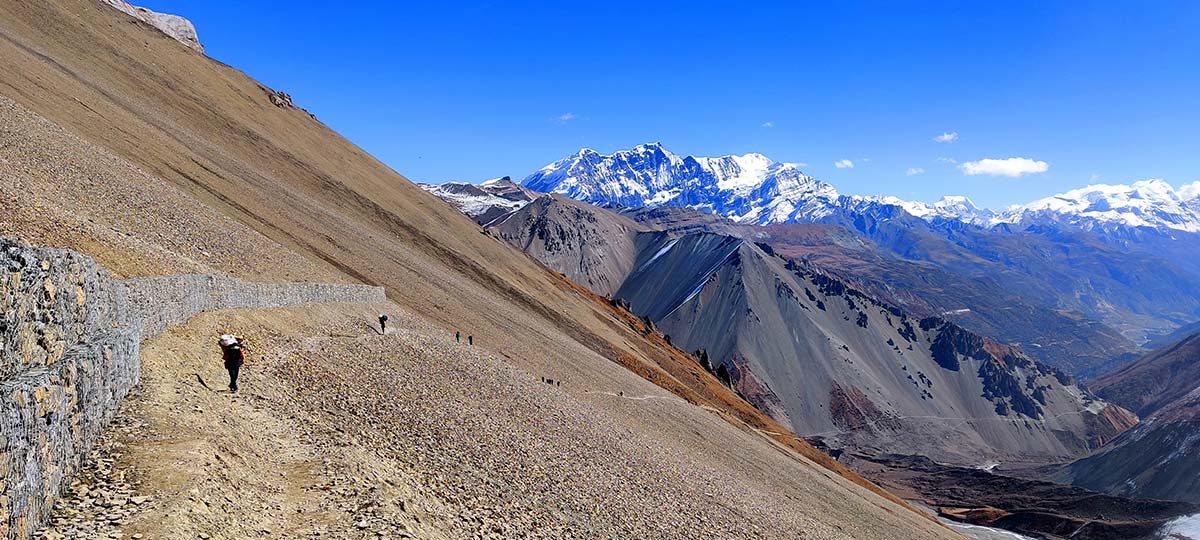
Annapurna Circuit Trek offers a thrilling adventure and beautiful views of the Himalayan landscapes. It is crucial to pick the right season in order to make the trekking experience safe and comfortable. The best time for the Annapurna Circuit Trek is during Spring (March to May) and Autumn (September to November). These seasons bring stable weather, clear mountain views and mild temperatures that are considered perfect for exploring the Himalayas.
Heavy snowfall and rain showers are much less likely during spring and autumn months. These ideal conditions attract many trekkers. So, the trails tend to be livelier during these months. The likelihood of sudden weather disruptions is much lower in these seasons.
Annapurna Circuit Trek rewards you with marvelous scenery of varied landscapes from lush green valleys to desert like Himalayan terrains. The notable attraction of the trek is Thorong La Pass. This pass can be challenging to navigate. However, it offers a rewarding experience. The timing of the trek makes a big difference. Navigating Thorong La Pass becomes significantly less challenging and safer during spring and autumn because the risk of heavy snow or harsh winds is minimal.
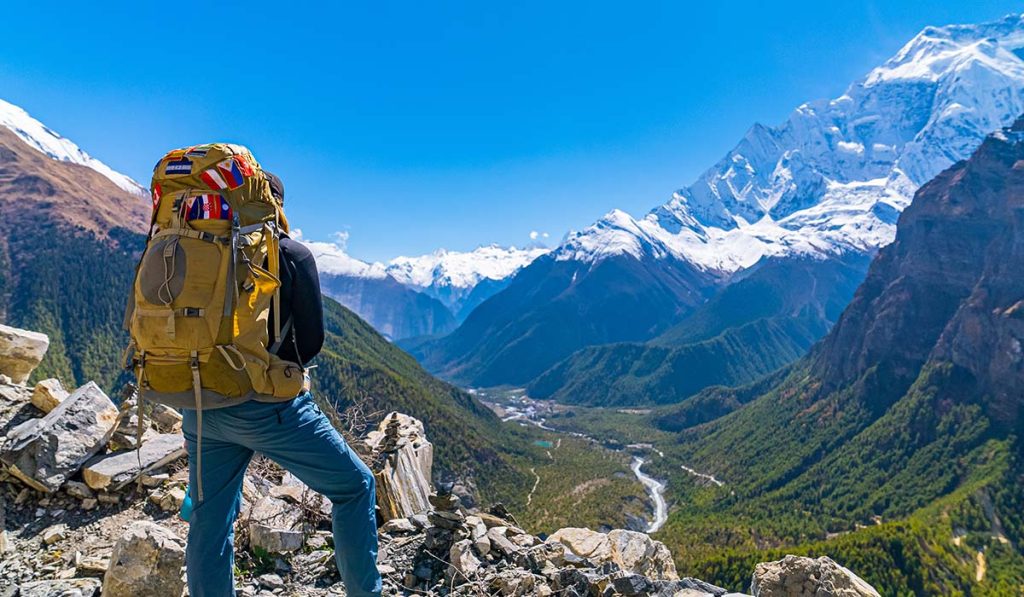
Selecting spring and autumn months for trekking enriches your trekking experience. With stunning mountain views, comfortable temperatures and delightful atmosphere, these seasons offer the perfect conditions for Annapurna Circuit Trek.
Best Time For Annapurna Circuit Trek
Spring (March to May)
Spring is one of the most vibrant and popular seasons for trekking in the Himalayas. At this time, the hillsides, valleys, and forests are decorated with rhododendrons and colorful wildflowers that add to the natural beauty of the area. The blooming flora, painting the trail with their colors, makes spring one of the most favored times to trek the Annapurna Circuit.
The dense winter snow gradually disappears at this time, and spring arrives, bringing moderate weather. The warm daytime temperatures provide comfortable trekking weather. Rainfall and snowfall are rare during spring months, and pathways are dry and stable. This rewards trekkers with safe trails to trek on.
The skies are clear throughout the spring months and the Himalayan peaks can be seen clearly. As the days get longer you can stroll along at a relaxed pace. You can enjoy views from the popular points at your leisurely pace while also reaching the day’s destination on time.
While the weather is generally good, the higher areas can still be cold. So, you will still need to pack the right layers for chilly mornings and evenings. In addition, rain gear is also a must to be prepared for occasional late-spring showers in the month of May, with the onset of the monsoon season.
March marks the beginning of spring, with gradually rising temperatures. April is generally considered the peak spring month when you can see vibrant rhododendrons and wildflowers in the forests and hills in full bloom. By May, spring slowly makes way for the initial signs of the monsoon. It combines spring freshness and early summer warmth. However, each spring month is rewarding and presents exceptional sights of Annapurna’s terrains, and is considered an excellent time to view the natural beauty of the Annapurna region.
Autumn (September to November)
One of the ideal times to undertake the Annapurna Circuit Trek is in the rejuvenating autumn season. This post-monsoon season offers dry and stable climatic conditions. The rains in the preceding monsoon wash away dust in the air. So, the skies are clear and you can enjoy the sharp sights of the snow-clad peaks. The air at this time is crisp, and the atmosphere is refreshing. The unparalleled visibility of this season makes it a great time for photographers as well as mountain lovers.
The days during the autumn season are typically pleasant and mild. The conditions such as storms, heavy downpours, winds, or snow showers, are rare. Early September marks the end of the monsoon, so you need to pack a light rain jacket or rain poncho. Likewise, in the latter half of November, the higher altitude areas may get their first snowfall. So, warmer clothing for the higher altitudes is also necessary. October, with the clear weather and stable trails attracts huge tourists. So, it is one of the peak months in autumn.
The dry and firm trails of autumn months make hiking easier and less dangerous. These vivid skies reward you with stunning views of the hills and snowy Himalayan peaks. The warmth of the sun during the day makes your trek joyful. The nights at higher zones can be cold. However, it is manageable with proper layered clothing. This season is renowned for offering the most spectacular views of the Himalayan vistas.
In brief, autumn is considered one of the best times for Annapurna Circuit Trek with green landscapes, pleasant weather and stable temperatures offering a complete and rewarding experience.

Trekking in Off-Season
Winter (December to February)
Winter in the Annapurna Circuit offers a unique experience, rewarding you with scenic beauty and a thrilling adventure. At this time, high altitude terrains of the Annapurna are a snowy paradise. The fresh snow of winter rewards you with magical scenery. The trails of Annapurna get fewer trekkers at this time. So, you can truly feel the serenity of the mountain region.
The weather is cold at this time. However, the skies are clear, so the rainfall is minimal. The views of the Annapurna and surrounding peaks are mesmerizing. The snowy landscape makes the landscape more charming. However, it also poses several challenges. Continuous snowfall can make navigating difficult. In addition, the higher steep areas and key points like the Thorong La Pass can become particularly difficult and even blocked because of dense snow.
For adventurous trekkers who are determined to complete the trek, crampons, trekking poles are needed. It helps to maintain stability in snowy terrains. Temperatures drop as you head towards higher elevations. The low temperature and harsh winds demand proper layering. You have to include thermal base layers and heavy down jackets to protect yourself from extreme winter cold.
Winter is mainly a popular time for seasoned trekkers as it offers a distinct and memorable experience. If you are an experienced trekker and well prepared seeking a tranquil experience in the Annapurna, then you may choose to trek in this season.
Summer/Monsoon (June to August)
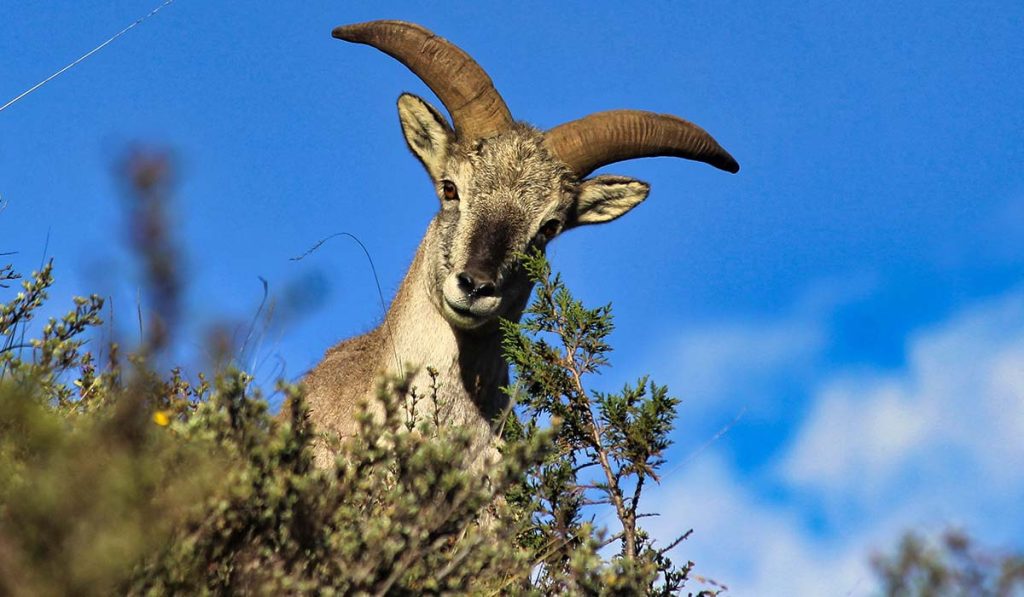
Nepal’s summer monsoon season is known for the humidity and frequent downpours. This season offers a peaceful experience for those who wish to explore the Annapurna Circuit in solitude. In addition, the rain nourished vibrant green landscapes, misty mountains and beautiful mountain views during the monsoon, makes your experience fulfilling.
During these months the lower parts of the Annapurna region experience warm and sunny days. The heat in these areas can lead to sweaty treks. However, the upper elevations remain chilly. So, carrying layers is essential.
The trails can be muddy and challenging to navigate. This increases the probability of slipping or which can cause minor injuries. The forests are lush green, but the leeches and bugs can be present in such areas, adding to the trek’s challenges. Moreover, when it rains heavily, the risk of landslides, rockfalls, and flash floods increases. This can disrupt your plans. Crossing certain trail sections can also be dangerous when the trail is not well defined.
During the Annapurna Circuit Trek, you will also be in a desert-like area of the Mustang region, which lies in the rain shadow zone of the Himalayas and receives relatively little precipitation. So, in these drier zones, the navigation is more manageable. In the areas that receive rainfall, the scenery is striking, especially when the weather clears up.
However, the rain can often wash away parts of the trails, and the route may become difficult to follow. So, you must inquire about the trail, and when it is not suitable, it is better to opt for an alternative route or adjust your schedule. Likewise, you must pack insect repellent, gaiters, and waterproof boots to stay protected and comfortable in this season.

Annapurna Circuit Trek Temperature for Every Month
| Months | Daytime Temperature Range | Nighttime Temperature Range |
| January | -4 °C to 0 °C | -15 °C to -20 °C |
| February | 5 °C to 0 °C | -9 °C to -4 °C |
| March | 4 °C to 10 °C | 0 °C to -6 °C |
| April | 10°C to 15 °C | 0°C to 5 °C |
| May | 15 °C to 20 °C | 0 °C to 10 °C |
| June | 15 °C to 25 °C | 5 °C to 10 °C |
| July | 20 °C to 25 °C | 10 °C to 15 °C |
| August | 20 °C to 25 °C | 10 °C to 15 °C |
| September | 10 °C to 15 °C | 4 °C to 10 °C |
| October | 5 °C to 10 °C | 0 °C to 5 °C |
| November | 5 °C to 10 °C | -4 °C to 0 °C |
| December | 0 °C to 5 °C | -10 °C to -4 °C |
Season-Wise Packing Essentials for Annapurna Circuit Trek
Spring and Autumn
Spring and autumn are widely regarded as the most favorable times for the Annapurna Circuit Trek. These periods are rewarded with clear skies, stable conditions and comfortable daytime temperatures. The days are warm, sunny and pleasant, presenting the ideal trekking conditions. Though mornings and nights at higher altitudes can still be chilly, you can manage it through layering.
To pack for your spring and autumn, you should include a variety of light to midweight layers that are good for warm days and cool evenings. You can bring the following items during spring and autumn:
- Moisture-wicking shirts
- Warm Thermals
- Comfortable and quick-drying trousers
- Waterproof hiking pants
- Fleece Jackets
- Undergarments
- Insulated Down Jackets for Chilly Higher Elevations
- Durable Hiking Boots
- Windproof Jackets
- Gloves
- Warm socks
- Scarf
- Beanie
- Waterproof Jackets
- Rain coats
Monsoon/ Summer
The monsoon/ summer months are generally humid mainly at the lower elevations. The season also brings frequent rain showers to the Annapurna region. The trekking paths at this time can be slippery and muddy. Still, for those seeking solitude, adventure and vibrant green landscapes, this season can offer a rewarding experience.
However, trekkers planning to trek this season must ensure flexibility with their schedule and pack all required items. The following items are recommended for Monsoon/ Summer packing:
- Waterproof Jackets and Pants
- Quick Drying Thermal Base Layers
- Trekking Shirt
- A rain cover for your backpack
- Rain coats/ Rain Poncho
- Lightweight Down Jackets
- Leg Gaiters
- Lightweight shirts and trousers
- Waterproof Hiking Pants
- Insect Repellent
- Waterproof Gloves
- Down Vest
- Fleece Jackets
- Sun Hats
Winter Season
In the Winter season, the Annapurna region, especially at the higher elevations, is harsh with freezing temperatures and frequent snowfall. Generally, the full circuit trek is recommended for experienced trekkers who are aware of the challenges and equipped with the required trekking essentials.
Winter trekking can offer a peaceful experience for those who are well prepared. If you are planning to trek the Annapurna Circuit in winter, you can bring the following essentials:
- Moisture Wicking Thermal tops
- Thermal bottoms
- Fleece jacket
- Trekking Pants
- Down jacket
- Insulated trekking pants
- Windproof Jackets
- Fleece pants
- Woolen Sweater
- Waterproof Jackets
- Long sleeve trekking shirts
- Warm trekking gloves
- Wool beanie
- Neck gaiters
- Sun hats
- Moisture wicking Undergarments
- Warm Sleepwear
- Woolen trekking socks
- Liner socks
- Insulated trekking boots
- Leg Gaiters
- Crampons
- Heavy Down Jackets
- Ice Axe
Important Items Required For Every Season
While trekking in the Annapurna Region you will be at different places that are remote with limited access to shops. So, you must pack some important items that are essential for your convenience, hygiene, and safety. You can include the following items that are required for every season:
- Light Backpack
- Solar Charger
- Headlamps
- Gps Device
- Power bank
- Sunglasses
- Sunscreen
- Lip balm
- Season-appropriate sleeping bags
- Water bottle and purification tablets
- Energy snacks and bars (nuts, dried fruit, chocolates)
- Trekking poles
- First aid kit with basic medicines
- Maps
- Guidebook
- Hand sanitizer
- Wet Wipes
- Toothbrush
- Toothpaste
- Cash
- Trekking permits
- Nepal Visa
Things to Consider Before Selecting the Time for the Annapurna Circuit Trek
Fitness and Experience
Trekking to the Annapurna Circuit is physically demanding. So, it is a must to select the time on the basis of your fitness level and trekking experience. Spring and autumn are the most ideal seasons for trekkers for even beginners, because of the stable weather and mild temperatures, which make the trek more comfortable.
The beginners with decent fitness as well as experienced trekkers can take up the journey at this time since trails are well defined and teahouses are fully operational, providing regular rest stops. Though even in peak seasons, you will need stamina for 6 to 8 hours daily hikes. However, it is manageable if you train for least 2-3 months prior.
On the contrary, monsoon and winter seasons demand relatively higher fitness. This season is generally recommended to experienced trekkers due to tougher conditions. In monsoon, muddy tracks and frequent rain showers require endurance and experience.
The leeches and swollen rivers add navigation challenges that can be difficult for the new trekkers. Winter trekking, especially at the high passes, demands excellent fitness and the ability to handle the low temperature and navigate snowy tracks which may not be suitable for first-time trekkers.
Thus, you should have a proper understanding of your physical limitations and take advice from guides and agencies who will help you coordinate the trek schedule with your capabilities. Selecting the trek according to the fitness level and experience will help to handle challenges more efficiently and ensure a joyful experience.
Trail Conditions
The Annapurna Circuit Trek trails vary depending on the season, due to weather and trail conditions. During the spring and autumn seasons, the trails are generally stable and well defined. The skies at these times are less cloudy and clearer with a very low probability of heavy rains reducing risks like landslides or slippery paths.
Autumn offers dry trails with fewer chances of heavy snow. So, the trails during autumn months are ideal for navigating. Spring has milder weather with clear trails that are easier to navigate. Crossing the Thorong La Pass is much easier during these peak seasons.
The monsoon season has slippery trails because of the heavy rainfall, increasing the likelihood of falls and slips. Likewise, navigating muddy terrains can also make the trek challenging than it already is. In winter, the Annapurna Circuit Terrain is covered with a dense layer of snow, requiring more effort for traversing.
If you are looking for trekking when trail conditions are dry, then you may choose to trek in the high seasons (Spring and Autumn). However, if you prefer adventurous travel and can navigate the relatively challenging terrains, then you may choose the off-season.
It is crucial to check the trail conditions and ensure that it is passable and secure, regardless of the season. The trails can offer different experiences because of seasonal variation but ensuring safety is essential, especially in the off seasons. Thus, if you are planning to take up a journey in the adventurous monsoon/ summer and winter seasons, ensure that the trails are favourable for safe navigation before heading out.
Crowd Level
Crowd levels on the Annapurna Circuit are different depending on the season. This can significantly affect your trekking experience. Some individuals prefer a tranquil trekking experience, while others may wish for an interactive and social experience.
The spring and autumn months are the busiest, due to ideal weather and stunning scenery. In these peak seasons, the tea houses of popular trekking regions fill up quickly.
Those who prefer lively trails, a social atmosphere and wish for trekking with many other people can join the trek in spring and autumn. As it is a highly recommended time, this time calls for reservations for lodgings.
If you enjoy a serene experience and trek when there are relatively fewer people but still want to be in the Annapurna Circuit in peak season, then you may choose late spring (May) or early autumn (September).
Early September has some monsoon rains lingering, and by late May, the signs of monsoon are visible. There are comparatively fewer people compared to other peak autumn or spring months. So, you can enjoy trekking in a tranquil environment. However, being prepared for occasional rain showers is necessary.
During the Monsoon and winter seasons, there are distinctly fewer trekkers on the trail. Most trekkers wish to avoid the muddy monsoon trails. Likewise, Winter is also off-season because of extreme cold. Thus, this season attracts experienced adventurers who prefer peace.
You may check the crowd Level of each season, analyze your experience level, and select the timing on the basis of your preference.
Cultural and Festival Events
The cultural and festival events will make your trek an enriching experience. The locals residing in the different villages along the trail of the Annapurna Region have their own culture and traditions.
The autumn season overlaps with important festivals like Dashain (September-October) and Tihar (October-November). So, trekkers will have chances to meet the locals, hear traditional music, and experience the festive atmosphere.
Losar, the Tibetan New Year, is generally celebrated during the early spring days of March. Sometimes it can also fall in mid or late February, which means in the last winter month. It is celebrated for 15 days, and trekkers can see the main celebration in the first three days. Getting a chance to celebrate the festivals with locals adds to the cultural depth.
Winter and Monsoon may have relatively fewer festivals, but they offer unique cultural experiences. During the monsoon some small villages along the trail celebrate festivals like rice planting festivals. This provides you with a chance to see rural life more closely. You can verify the exact dates of festivals that you wish to see and organize your time accordingly to ensure an enriching experience.
Preferred Scenery
The scenery you have envisioned plays a major part in choosing your right time for the Annapurna Circuit. Firstly, you should be clear about what kind of scenery you prefer during the journey.
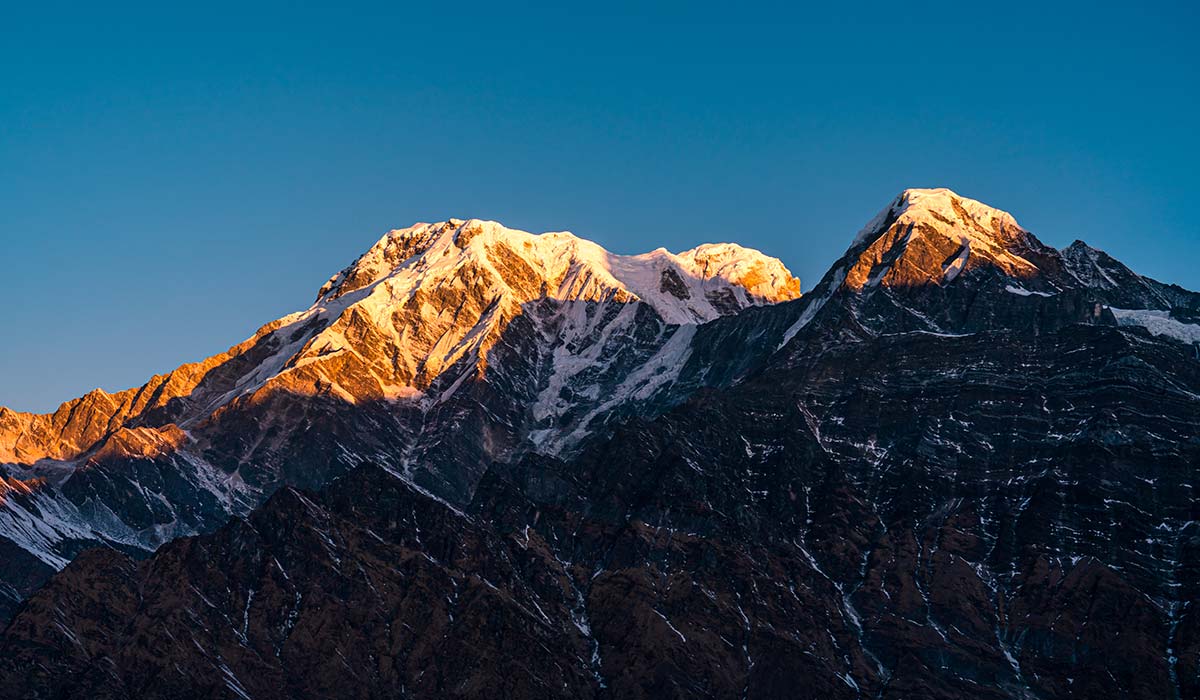
Spring is renowned for its blooming landscape, red, pink, and white rhododendron forests and beautiful views of snow-clad mountains. It is suitable for those who wish to see the blooming flora and the vibrant sights of the surreal Annapurna trails. Autumn, with its clear blue skies and lush greenery, is the ideal time for adventurers seeking unobstructed views of snow covered peaks and diverse terrains.
The summer/ Monsoon season presents a unique scenery of lush green landscapes, misty valleys, mountains and ethereal cloud formations. In winter, the snow covered mountains reward you with the most picturesque scenery. It is a time when you can experience the wonders of a snowy winter in the Himalayas.
So, to select the right trek for trekking, you should research the kind of scenery that can be seen during each season and choose the time accordingly. Each season is rewarded with its distinct charm. When you get to witness the visuals that you wish to witness, your journey will be more fulfilling and memorable.
Also Read: Annapurna Circuit Trek Cost


