
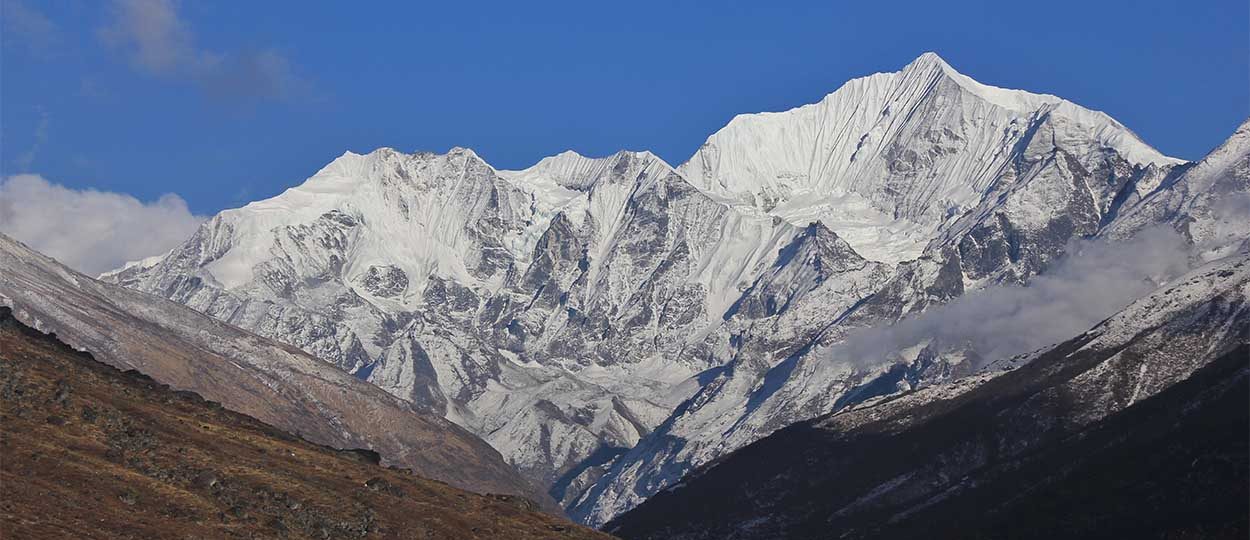
The Langtang trek difficulty level is usually considered moderate. It is an ideal mountain trip for beginners and experienced trekkers alike. The Langtang Valley trek difficulty is manageable with the right planning and preparation as no technical skills are necessary. The highest point of the trail, 4,984 meters at Tserko Ri is attainable with the right pacing and proper acclimatization.
The Langtang trek typically takes 7 to 10 days to complete. It is around a 5 to 7-hour hike per day on varied landscapes of woodland, rock boulders and steep slopes. Is the Langtang trek difficult, then? It’s not Nepal’s most strenuous trek but it has some level of exertion with altitude and rough ground.
Trekkers must be quite fit and ready for a couple of days of tough walking. There is a risk of altitude sickness, especially when climbing up quickly, and thus acclimatization days and gradual, relaxed progress are called for. This trek is much easier as compared to other difficult routes such as Everest Base Camp or the Annapurna Circuit. Hence, the Langtang trek is a perfect trip for someone with basic or no high-altitude trekking experience.
The Langtang Valley Trek gives a fulfilling Himalayan experience. You can expect white capped mountain vistas, hospitable reception at teahouses and the chance to acquaint yourself with the Tibetan influenced culture and lifestyle. The path is less crowded than Everest or Annapurna and hence ideal for those in search of a more peaceful, immersive experience.
In short, if you still have doubts about How Difficult is The Langtang Trek, it is a moderate difficulty well worth the trouble for those in search of nature, culture and adventure within a shorter time frame.
Langtang Valley Trek Difficulty Factors
Trek Duration and Daily Walking Hours
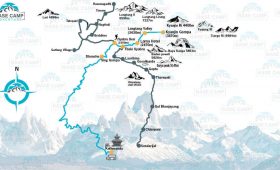
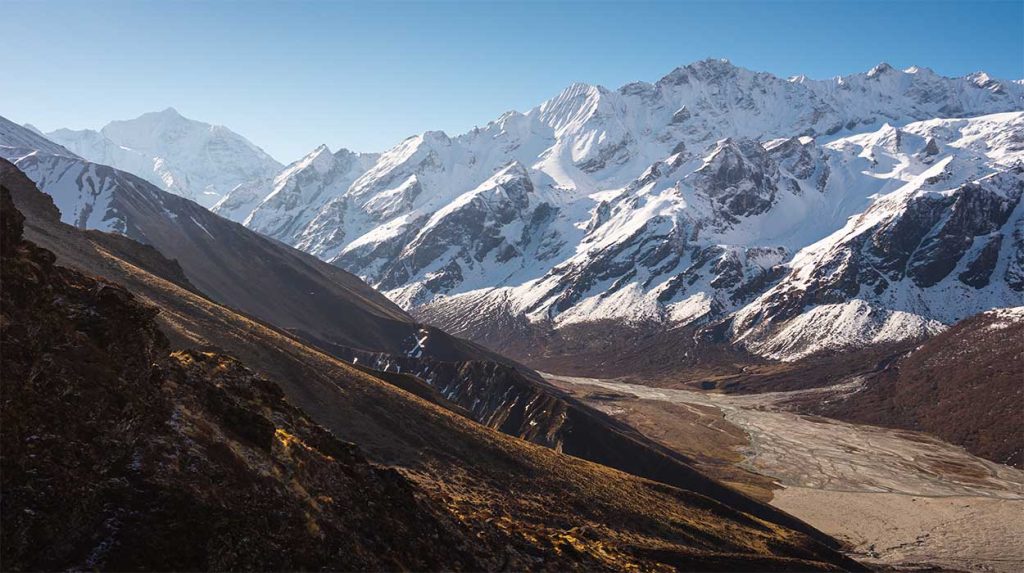
The Langtang Valley trek difficulty is affected by the length and physical effort of daily walking. The hike typically lasts for 7 to 10 days, depending on your itinerary taken, acclimatization days and your personal pace. You will generally follow a slow and easy elevation gain by staying for the nights in villages such as Lama Hotel, Langtang Village and Kyanjin Gompa.
You can anticipate trekking 5 to 7 hours a day, traversing about 8 to 15 kilometers, depending on the pace and rest breaks. It is tiresome if you are not accustomed to hiking multi-days or at high altitudes. Each day’s trek features gentle ascents with periodic steep slopes, particularly as you approach the higher elevations.
While the pace of the trek is relaxed, fatigue can build up, especially without proper hydration, nourishment or rest. A flexible itinerary with rest and acclimatization days and a focus on nutritious meals and fluid intake is critical to a more pleasant trek.
Altitude and Acclimatization Challenges
Trekking at high altitude is one of the Langtang Valley trek difficulty factors. Although Langtang is not as high as Everest Base Camp or Annapurna Circuit, it still reaches considerable altitudes that can affect you if you are not properly acclimatized.
The highest point on the route is Tserko Ri at an altitude of 4,984 meters and is attempted as a day hike from Kyanjin Gompa (3,870 m). Overnighting at Kyanjin allows you to acclimatize prior to ascending higher. Nevertheless, the signs of Acute Mountain Sickness (AMS) or altitude sickness, such as headaches, dizziness, fatigue or nausea, can be felt if you ascend too fast or if rest days are avoided.
Even though the Langtang Valley trek altitude gain is moderate, thin air at high elevations and low oxygen levels requires acclimatization as well as a steady and relaxed pace in order to avoid altitude sickness.
Terrain and Trail Conditions
Terrain and trail conditions are the other considerations for assessing the overall Langtang trek difficulty level. The trail is well marked in most areas and requires no technical climbing skills at all. It’s simply not an easy walk, though.
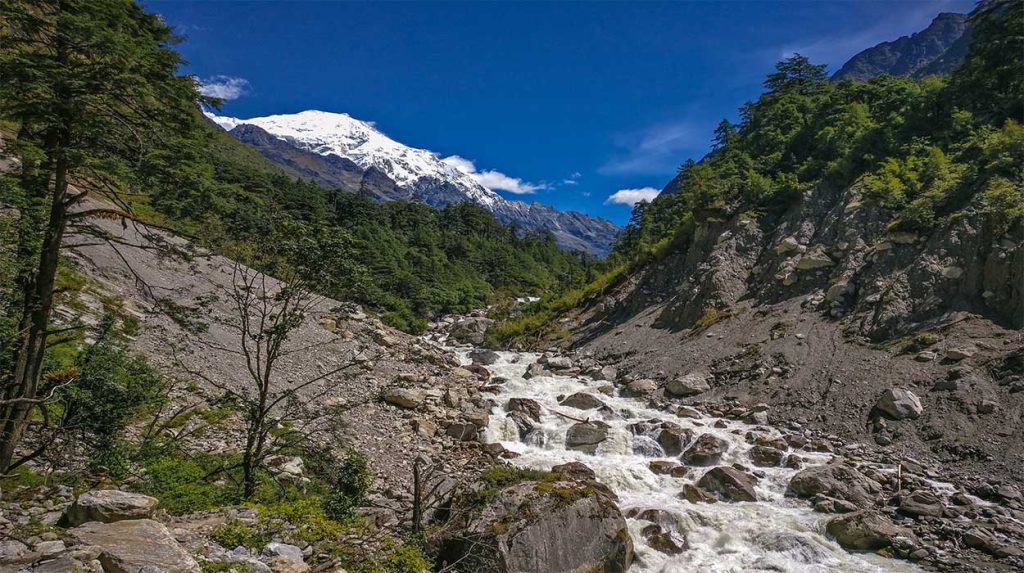
While the trek is not technically challenging, it does include a constant mixture of densely forested trails, narrow ridge walks, suspension bridges, river crossings, alpine meadows and rock ascents. There are stone staircases, rocky terrain and landslides prone areas, especially along the Bamboo to Langtang Village route. The trails are slippery when wet or during rain adding more effort and physical exertion during the hike. As you ascend further into the valley, the terrain gets progressively rougher and steeper, especially after Langtang Village.
On the part between Langtang Village and Kyanjin Gompa, the trail is slightly flatter but still rolling with pebble paths and snow in winter. You will reach to more exposed area with fewer trees and alpine rugged terrain. Altitude also rises steadily with the highest point being Tserko Ri (4,984 m). It is a non-technical but steep side trip from Kyanjin Gompa that tests endurance at high altitudes. If you decide to ascend this viewpoint, you will be dealing with steeper climbs up loose rock and scree which require solid footing and decent stamina.
While the Langtang trek does not involve glacier travel or high passes, the mixed terrain does require an adequate level of fitness and attention to footing. With planning and proper gear, the route is yet easily manageable.
Changing Weather
Unpredictable mountain weather is a common difficulty of Langtang trek. In the Himalayas, weather can shift at short notice and unexpectedly, despite the time of year. It can be clear and sunny in the morning but by the afternoon, clouds, rain and snow can occur at any moment. This can make routes muddy and slippery and reduce visibility.
Nights are mostly chilly with a big drop in temperature especially beyond 3,000 meters. This unpredictability has the potential to make trekking challenging and at times hazardous. It leads to greater physical and mental exhaustion, adding to the overall Langtang trek difficulty level.
Having the proper gear, such as waterproof layers, warm clothes and proper footwear, is indispensable. It is also best to keep updates with the weather forecasts and be flexible with your plans.
Preparing for Langtang Valley Trek Difficulty
Health and Nutrition
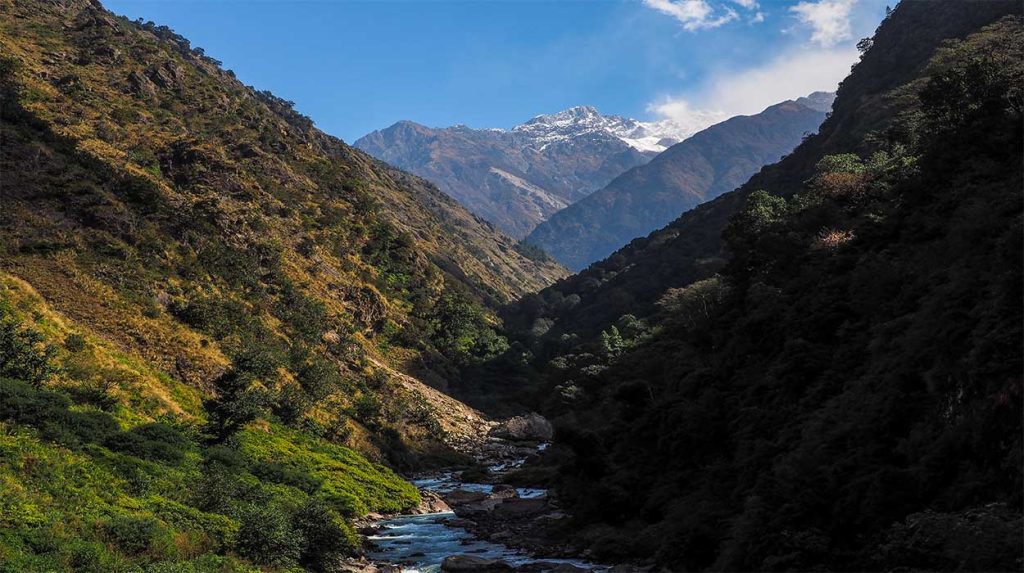
Proper diet and hydration are essential to maintain energy and cope with altitude and other difficulties along the trek. Bring snacks that are rich in energy including nuts, dried fruits and energy bars. Consume well-balanced meals of carbohydrates, protein and fat at teahouses. Also drink a lot of water (minimum 4 liters per day) to avoid dehydration and altitude sickness.
Refrain from alcohol and high caffeine intake, as it will dehydrate you. Bring essential medicines for general trek illnesses like stomach discomfort, headaches, or colds. Staying well-rested and listening to your body’s needs help in reducing fatigue as well as improving recovery during the trek.
Choose the Right Time
Choosing The Best Time to do The Langtang Trek is one of the most important decisions for a trip to be a success and enjoyable. The spring (March, April and May) and the autumn (September, October and November) are strongly recommended. During spring (pre-monsoon), the weather is mild and warm, the sun is shining the majority of the time and the hills and forests are filled with wildflowers and rhododendrons in bloom. This season has both beautiful natural landscapes and fine visibility of the mountains, which is its appeal to many trekkers.
Likewise, the autumn (post-monsoon) season is another good time since the monsoon rains have cleaned the dust from the air, offering crisp long-range visibility of the snowy mountain tops. The weather is dry and sunny with less chance of rain or snow affecting your journey. Similarly, the trails are stable and clean, offering easy footing. There are also fewer possibilities of landslides or slippery sections of paths at this time which offer a nice, smooth walk.
It is possible but not recommended to hike during the monsoon months of June, July and August due to slippery trails, leeches, cloud cover and a higher probability of landslides. Visibility is also normally poor and rain makes the ascent more tiring and less appealing.
Similarly, winter (December, January and February) is extremely cold and snowy at higher elevations which could block part of the trail and make trekking challenging and risky. To enjoy the best experience, comfort and safety, trek in Langtang in the spring or autumn season, when nature is most spectacular and the trekking conditions are ideal.
Get Comprehensive Travel Insurance
Travel insurance is essential for the alpine mountain journey of the Langtang Valley Trek. Get coverage that specifically includes high-altitude trek, emergency evacuation, medical expenses, trip cancellations and baggage lost or stolen.
Altitude sickness and unexpected injuries are possible risks on Himalayan treks. Since the Langtang region does not have appropriate medical centers to treat more severe conditions, evacuation is the only option which is costly and challenging.
Carrying insurance offers financial security from a variety of unexpected events and peace of mind to be in a position to enjoy the trek without worries. Always read the small print to ensure your activities are included and carry insurance papers with you.
Hire a Guide and a Porter
It is safer and easier to trek the Langtang Valley with a guide who familiarizes you with the place. Guides have extensive knowledge of the trek routes and keep you from getting lost. They safeguard you in places that are new to you. They provide informative facts about the sites you see or visit. Guides are also well informed about the local language and culture. They can assist you in communicating with villagers and understanding their traditions and way of life.
A guide will organize accommodations and food and assist in making your experience in isolated mountain villages smoother and more enjoyable. They are also trained for emergencies such as altitude sickness or sudden injuries and can provide instant assistance.
Porters, on the other hand, make the trek much easier by carrying your heavy bags. This implies you are able to trek more comfortably with a small daypack, saving your energy for the trek. The porters are usually locals from the area. So when you employ them, they can provide for their families and support the local community. They know very well about trekking in the mountains and can even encourage you when the trail gets tough.
Having a porter and a guide certainly does make the trek that much more pleasant, comfortable, enjoyable, efficient and secure.
Physical Fitness Training
Even though the Langtang Trek is not as challenging as other alpine Himalayan adventures, it does include hiking for many hours a day on uneven and steep terrain. In order to prepare your body, it is beneficial to begin training 4-6 weeks prior to the trek.
This can include cardiovascular exercises like jogging, swimming, cycling or climbing stairs to boost your heart and lung endurance. Similarly, for leg and core strength, consider doing workouts like planks, push ups, deadlifts, plunges etc.
Besides that, it is also beneficial to do flexibility training like yoga or stretching. This will improve balance while on uneven terrain and reduce the chances of getting injured and stiffening of muscles when trekking.
Your training will keep you more confident, stay refreshed throughout the hike and you will also heal more quickly after each day’s walking.
Book with a Reputable Trekking Operator
One of the best things that you can possibly do while planning your Langtang Trek is to book through a well-known trekking agency. A registered and trustworthy trekking company like Base Camp Adventure organizes everything for the trip. You do not have to worry about the permits, transportation, accommodation, food, guides and porters.
This way, you get to enjoy the trek without any arrangements to be made by yourself. We provide you with safety by hiring qualified, licensed guides and executing professional safety measures and emergency support.
We also provide advanced information such as what you should bring, what to expect on the way and how to properly prepare. More importantly, we are transparent about prices and will not surprise you with extra hidden fees.
Low cost or illegal operators might deliver poor service and leave you stranded and helpless. Trekking with a competent trekking company gives you an assured feeling of security. Your Langtang trekking experience is safer and more rewarding this way.
Plan Altitude Acclimatization
The most challenging aspect of the Langtang Valley Trek is the high altitude. The maximum elevation of the trek is 4,984 meters (Tserko Ri). Although it is a gentle slope to the top altitude sickness can strike even healthy and experienced trekkers.
Get to know the symptoms of Acute Mountain Sickness (AMS) like headache, nausea, dizziness, breathlessness etc and how essential acclimatization is. Choose an itinerary that has slow elevation gain and rest days, especially at Kyanjin Gompa.
Excess water and a balanced diet will help acclimate your body. Preventative medication such as acetazolamide (Diamox) can also be taken under the recommendation of your physician. Besides, avoiding alcohol, cigarettes and caffeine and taking a gradual pace, proper rest and sleep are also vital to support good acclimatization and avoid AMS.
Who Can Do the Langtang Valley Trek?
Langtang Valley Trek is a moderate to easy experience. It is possible for most trekkers who are in good physical shape and have strong mental determination. You do not have to be a professional or experienced hiker for this adventure. As long as you are able to walk for several hours daily on rugged uphill and downhill trails, then you can do it. The trek is apt for novice trekkers who want to experience the Himalayas without facing high elevations or technical climbs.
But basic training and fitness are important. People of different age groups, from youth to those in their 60s, have completed the Langtang trek. If you have some medical conditions such as asthma, heart disease or joint problems, it is best to consult a doctor before the trip. With acclimatization, physical and mental preparation and a steady, gradual walk, the trek is much simpler, even for beginners.
Families, solo travelers and small groups can easily do this trek with supporting staff like guide and porter. If you are in good health, mentally prepared and willing to train a little, the Langtang Valley Trek is open to you.
Tips for Dealing With the Difficulty of Langtang Trek
- Carry only what’s essential. A lighter pack lessens strain. If possible, hire a porter.
- Weather can change overnight. Dress in layers so that you can adjust as needed.
- Trekking poles aid in balance and relieve pressure on knees on steep ascents and descents.
- Do not wear new boots for the hike. Rather, wear comfortable, well-fitting boots that are already broken in.
- If possible, ascend to a higher altitude during the day and descend and sleep at a lower altitude to aid in acclimatization.
- Consider hiring a guide who will ensure your safety and keep you informed.
- Pack a first aid kit and basic medications. Obtain medical clearance before the trek.
- Mornings are cooler and clearer. Starting early keeps you out of afternoon clouds, heat or wind.
- UV radiation is strong at high altitudes. Protect your skin and eyes from sunburn and glare with sun protective clothing and gear.
- Wear gloves and a hat to ensure the warmth of your hands and head especially in the mornings and late afternoons when temperatures fall quickly.
- There are no ATMs along the trail. Bring enough Nepali rupees to cover the entire trek.
- Bring water purification tablets or a filter because clean drinking water is not always available at all stops.
- Make sure that your travel insurance covers high altitude trekking and emergency evacuation.
- Begin cardio and strength training a couple of weeks beforehand to build up the endurance and stamina required for the hike.
- Train with a daypack to get used to carrying weight over long distances.
- Keep a slow pace especially when going uphill. Don’t rush the hike and let your body acclimate.
- Drink 3 to 4 liters of water daily to avoid dehydration and altitude sickness.
You May Also Like: