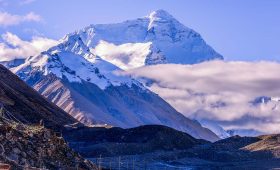

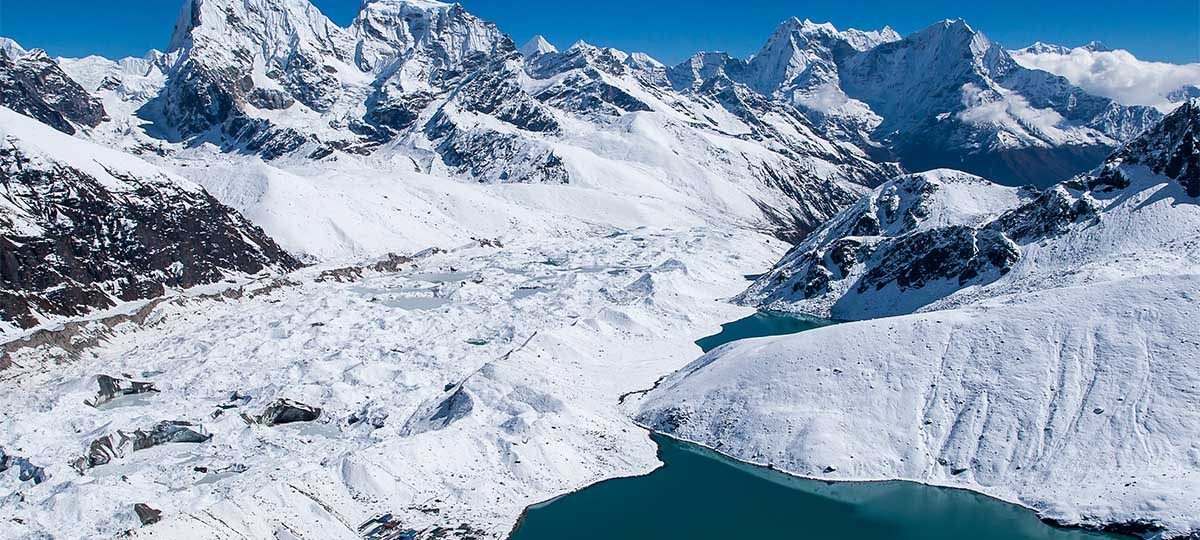
The Everest Three Passes Trek is considered a strenuous adventure suitable for adventurous trekkers looking for an exciting experience in the Himalayas. This journey tests your endurance, taking you to the enchanting and rugged landscapes of the Khumbu Region.
One of the most demanding parts of the trek is rapid and significant altitude gain. Likewise, you will cross the three high passes: Kongma La (5,535 m), Cho La (5,420 m) and Renjo La (5,360 m). Navigating these passes demands excellent physical fitness and strong mental determination.
During this challenging adventure, you will have to trek through rocky trails and isolated areas. The trekking duration is long. It lasts for almost 18 to 20 days. In addition, this trek involves traversing the demanding sections, including glacier crossings and the icy slopes, which are notable factors that contribute to the Everest Three Pass Trek Difficulty.

The trek is indeed ranked as challenging. However, the rewards are exceptional for well-prepared adventurers. Therefore, good physical conditioning, bringing the right gear, and allowing time for acclimatization are essential as they can help you to overcome any unexpected challenges and provide you with a most unforgettable experience in the serene Khumbu Region.
Factors Contributing to the Everest Three Passes Difficulty

High Altitude
The Everest Three Passes trek takes you to different high altitude areas where you have to traverse three challenging passes. Along with that the most places you will be during this journey are at higher altitudes ranging over 3000 meters.
The oxygen level is very low at high altitudes. Even with gradual ascents, some trekkers may find it hard to breathe. They may get tired and may even experience the symptoms of altitude sickness.
Some common symptoms of altitude sickness are headache, trouble sleeping, nausea, dizziness and appetite loss. These symptoms can affect your trekking performance and also your health. If symptoms get severe, emergency evacuation is required. In addition, the high-altitude treks can also be mentally demanding, requiring patience and focus.
Given the high rise in altitude of this trek, caution must be taken to reduce the likelihood of altitude sickness. Allowing your body to acclimatize is a must at higher Himalayan zones. Thus, you need to move at a slow pace and add an extra acclimatization day for a more comfortable and safe trek.
Varied Terrains
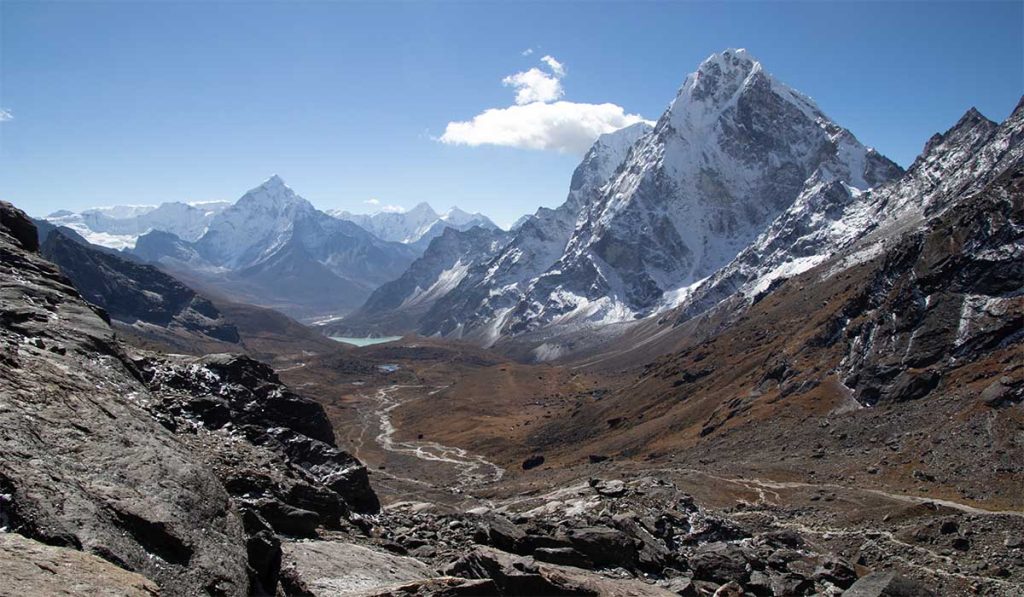
During Everest Three Pass Trek, you will trek along the varied terrains. The route involves navigating the rugged, uneven, and steep terrain that tests endurance.
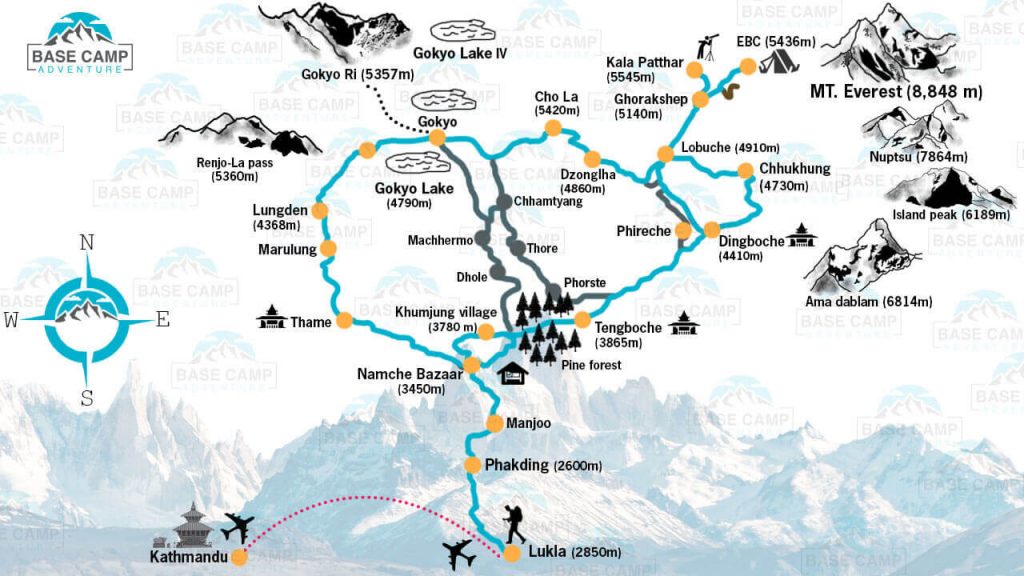
You will start the trek from Lukla (2,840 m). Afterwards, you will navigate the places like Phakding (2,610 m), Namche Bazaar (3,440 m), Tengboche (3,860 m), Dingboche (4,410 m), Chhukung (4,730 m)
After trekking through these places, you will finally cross the Kongma La Pass to reach Lobuche (4,910 m). In addition, you will also trek to the pristine Everest Base Camp at 5,364 m and explore the exceptional Kala Patthar, which lies at 5,550 m.
The trek also involves a visit to Gokyo Lakes via Cho La Pass (5,368 m). Likewise, you will also cross the Renjo La Pass (5,360 m), completing the three high passes of the Khumbu region. With hours of challenging ascents and descents, trek can be physically and mentally tiring. Every day demands flexibility, balance, and information about real-time trail conditions.
Walking through these terrains can be tiring. The trails of all these places are a mix of rocky, rugged, wavy, uneven and steep, which demand careful attention and adaptability.
Therefore, a proper balance is required to navigate such paths to avoid the likelihood of injuries and stay secure.

Long Duration
One of the Everest Three Passes Trek’s biggest challenges is its long duration. The classic route typically takes approximately 18 to 20 days to complete. The actual time can also vary based on your trekking pace.
In general, you will have to navigate for around 6 to 7 hours. The lengthy walking hours, thin air, and ascending over the three high passes demand much endurance. For most trekkers, maintaining such a daily pace in such rugged terrain can be physically exhausting, making the length of the trek a major endurance test.
The longer duration means exposure to shifting weather. Likewise, the delays, because of weather-related issues, are also common. You need to know about the discomfort that can be faced during the long trek. This trek demands patience.
You need to have strength and resilience to stay calm and focused while navigating the rugged terrains of one of the world’s toughest trekking environments.
Unpredictable Weather
Everest Three Passes Trek is known for its challenging landscapes and unstable weather which are one of the main reasons for its challenges. This adventure leads you to high altitude areas of the Khumbu region. In these areas, the weather fluctuates suddenly.
Unexpected snowstorms, fog or winds could obstruct visibility. These conditions may add to navigation difficulties particularly at rugged sections and high altitude passes.
So, carrying proper equipment and being open to changing schedules in case of unfavorable weather is essential. You need to know about weather conditions. Likewise, you have to be prepared to modify your plans when needed. This can help you ensure a secure journey in Khumbu Region.
Remoteness
Everest Three Passes Trek takes trekkers into some of the most remote terrains of the Everest Region. This serene adventure passes through rugged terrains with glacier moraines and requires you to ascend the ridges where the teahouse or another stop might take a long time to reach.
Trekking in isolated and unfamiliar sections where good medical services and communication are hard to access can be demanding, so you need to bring the right gear and sufficient supplies.
The remoteness of the trail is one major factoradds to difficulty level of Everest Three Passes Trek. Trekking through some of the least-traveled parts of the Khumbu Region for a long duration can make one feel isolated.
While the trek provides a peaceful and stunning adventure, you should prepare yourself mentally for the isolation and keep realistic expectations, which will help you better cope with the remote conditions along the way.
Similar Treks:
EBC with Gokyo and Cho La Pass Trek
Gokyo Valley Trek
Everest Base Camp Trek with Island Peak Climb
Why is Travel Insurance Required for the Everest Three Passes Trek?
You must have travel insurance for Everest Three Passes Trek. Trekking involves some risks. You will be navigating the remote, high-altitude areas during this trek. In such areas, there is a possibility of getting symptoms of altitude sickness.
In addition, there is also a risk of injuries from slips and falls. If that happens, you may need an urgent helicopter evacuation. The rescue can be expensive without insurance. With the right travel insurance, these costs, along with hospital bills and medical treatment, are covered.
In addition, the Everest Three Passes Trek may be disrupted by bad weather, flight delays or any personal emergencies. Travel insurance can refund these costs. It can save you from financial losses. Similarly, it also covers the delayed or lost luggage.
By covering all these risks, travel insurance provides you with peace of mind. It lets you focus on enjoying the trekking experience by being assured that you are financially protected to handle unexpected challenges along the way.
How Trail Conditions Change with the Seasons on the Everest Three Passes Trek Route

Spring (March to May)
Spring is the time when Everest Region is full of life and color. The snow melts, the weather gradually begins to warm up, and days are perfect for trekking. In lower areas like Namche Bazaar, the temperature is generally cool. The forests and hills are filled with blooming rhododendrons.
The high passes may still be snowy with icy paths, especially in the early days of March as it is the first spring month that comes after a cold winter. So, good trekking boots and trekking poles will be needed to walk securely over slippery parts
As the season progresses, the weather gradually becomes warmer, which clears the trails. The high passes become easier to cross. Still, the passes and nearby areas may have some snow and ice patches, which should be crossed safely with appropriate gear.
However, most of the sections of the trails at the lower sections are dry in spring, making your navigation relatively easier. One of the notable rewards of this season is clear skies and stunning views of snow-capped mountains.
The climatic conditions in this season are mostly stable. So, the temperature is mild and the terrains are well defined, treating you to a secure and enjoyable navigation.
Monsoon/ Summer (June to August)
During the monsoon/ summer season Everest Three Pass trail is muddy with persistent heavy rains. Landslides are common, and terrains are slippery, which makes navigating especially the areas with steep slopes, tough.
Certain areas of the Khumbu Region can even be impassable temporarily because of landslides. In addition, the haze and cloudy skies may limit visibility. Furthermore, the bugs and leeches in the forest areas can also add to your discomfort.
The highlight of the monsoon/ summer season is the lush green scenery. Sometimes on a clear day, especially on the mornings after rainfall, you can get stunning views of the mountains. However, those planning to trek at this time must prepare themselves for slippery terrain and sudden rain.
The domestic flights can also get cancelled because of weather-related delays, demanding extra days in your itinerary. Waterproof equipment, insect repellent, and proper caution are necessary at this time, especially during the steep climbs to high-altitude passes.
Winter (December to February)
The winter season is characterized by cold temperatures and heavy snowfall. The winter paths are generally covered with deep snow and ice. So, it makes walking more difficult. The extremne cold can increase the likelihood of frostbite and hypothermia.
One of the notable positive aspects of winter is that it is so peaceful, as only a few trekkers venture onto the trails. In addition, the popular stops along the Everest Region are also generally serene, providing a tranquil trekking atmosphere.
The skies in the winter season are generally clear, with stunning views of Everest and nearby peaks. Still, it is crucial to understand the navigation challenges presented by this off-season.
The trail can get a lot tougher in winter. Snow and ice often cover the high-altitude paths. So, navigating high passes can be slippery and risky. The piled-up snow can even make the passes impossible to navigate. This trek in winter is usually only undertaken by experienced adventurers. The heavy snowfall and winds may harder to find the way without a guide.
Even in the lower areas, the weather is extremely cold. Snow buildup can affect navigation. During this time it is crucial to pack warm and high quality gear. You may expect slower progress and relatively tougher walking during this season because of the icy and snowy trails.
Autumn (September to November)
The autumn season is renowned for providing the best trail conditions during the Everest Three Passes Trek. Post-monsoon clear blue skies of the autumn months offer the best possible visibility of the mountains. At this time, the weather is pleasant and you can ensure a smooth navigation.
The trails of the Everest region are generally dry and firm. This reduces the probability of slipping when navigating steep sections. It is a season that trekkers highly prefer due to stable weather.
The clear weather keeps the paths firm and reduces slipping risks. The dry conditions can help you navigate the varied terrains of Everest Region confidently without much difficulty.
Near the higher passes like, you might still encounter some snow and ice patches mainly during late November. However, they are manageable with proper guidance and equipment such as gaiters, strong trekking poles, waterproof clothing, and warm layered clothing.
However, the trails during autumn months in general are less muddy, which allows you to navigate smoothly. Thus, this combination of great balance of safety and accessibility makes this season one of the best times for the Everest Three Passes Trek.
You may also like:
What to Expect in Everest Base Camp (EBC) Trek?
Everest Base Camp Trek FAQs
How to Tackle the Everest Three Passes Trek Difficulty

Physical Preparation
The Everest Three Passes Trek requires strong physical endurance. You will trek 6 to 8 hours daily in rugged terrains. So, you have to focus on enchaning your cardiovascular fitness. You may aim to train for 3 to 4 months before the Everest Three Passes trek. You can include the following cardio exercises to enhance your stamina:
- Running
- Cycling
- Climbing stairs
- Swimming
- Jumping Rope
Strength training also helps you get well prepared for walking rocky paths and tackling the high-altitude challenges. You may do the following strength exercises:
- Squats
- Lunges
- push-ups
- Calf raises
- Planks
You can practice hiking in nearby hilly areas also prepares you for long-distance treks. Hiking will help you get insights into navigating the steep terrains, which is a must during the three high passes trek. In addition, it also increases endurance and mental endurance which are crucial for tackling the difficulties during the actual trek.
It is essential to keep a consistent training schedule. With proper physical preparation, your body will be ready for tough but rewarding Everest Three Passes Trek.
Mental Preparation
The Everest Three Passes trek requires you to be mentally prepared. During the adventure, you will be trekking through remote parts of Himalayas. You will spend long hours walking each day. At higher elevations the weather may change rapidly. In addition, the facilities along the way are very basic. So, trekking at these places requires mental resilience is just as much as physical fitness.
Here are some ways to strengthen your mental readiness before and during Everest Three Passes trek:
- Research about the trek. Learn about its challenges.
- Visualize yourself completing the Everest Three Passes trek successfully. Thinking about your goals and imagining success helps you maintain motivation. In addition, it also lets you stay focused during the entire trek.
- Set achievable daily goals. Manageable daily goals help you feel sense of accomplishment so that you can get confidence gradually and keep moving forward.
- Practice deep breathing or meditation. These techniques can help you stay calm.
- Talk with your trekking team and other trekkers. Help and encourage each other along the trek. This can help you and your crew stay positive and overcome trek difficulties together.
Select the Right Trekking Time
Choosing the right time for the Everest Three Passes Trek makes your adventure safer and more joyful. The ideal time for this trek is in spring (March to May) and autumn (September to November). These months are blessed with the most favorable weather in the Himalayas. In spring, the paths are decorated with rhododendrons.
The temperatures in these peak seasons are mild. The skies are usually clear. You will get rewarded with beautiful and clear views of the snowy peaks. The crisp, dry air and stable weather at this time make crossing the high passes more manageable without too much snow or ice.
The monsoon season (June to August) brings heavy rain, slippery trails, and a higher risk of landslides, while winter (December to February) brings freezing temperatures and snow-blocked passes. So, trekking in the off-season can make the trek more difficult than it already is. Thus, for a smooth adventure, it is important to select the right season for trekking.

Right Packing
Packing smart is key for the smooth Everest Three Passes Trek. During this trek, you will be crossing three high passes and be at high-altitude destinations where freezing temperatures are common. Packing the right gear keeps you warm, dry, and safe.
You must pack layered clothing for the trek. In addition, you will also need lightweight, high-calorie snacks and water purification system since remote sections have limited supplies. Packing too much or too little can affect your trekking performance. It leaves you unprepared. So, you need to aim for a balanced load with all essentials.
Good packing also makes the trek more enjoyable. We recommend you choose lightweight but essential items. When you pack thoughtfully, you can avoid discomfort. In addition, you can stay focused while enjoying enchanting views of mountains and navigating three passes safely. Here is a list of all packing essentials for the Everest Three Passes Trek.
Clothing
- Moisture-wicking thermal wear
- Fleece jacket
- Light down jacket
- Waterproof jacket
- Insulated jackets
- Trekking pants
- Lightweight and packable waterproof pants
- Quick-drying T-shirts
- Undergarments
- Gloves
- Sun Hats
- Warm beanie
- Neck gaiter
- Buff
- Socks
- Woolen socks
- Gaiters

Footwear
- Trekking boots
- Trekking sandals
- Liner Socks
- Lightweight trekking shoes
- Woolen Socks
Trekkking Gears
- Sleeping bag
- Backpack
- Trekking Poles
- Daypack
- Flashlights
- Headlamps
Other Essentials
- Trekking Map
- Camera
- A rain cover for a backpack
- Dry bags
- Sunscreen
- Toothpaste
- Wet wipes
- Toothbrush
- Sanitizer
- Sunglasses
- Water Purification Tablets
- Moisturizer
- Lip balm
- Water bottles (Reusable)
- First-aid kit and basic medicines
- Personal medications
- High-calorie snacks
- Biodegradable soap
- Oral Rehydration Solution
Acclimatization
During the Everest Three Passes Trek, you need to get used to the high-altitude Himalayan environment to stay safe, healthy and make the trek easier.
When you can’t adjust to the higher zones, there is a risk of getting altitude sickness. So, acclimatization and pacing yourself are crucial. This trek is on average 18 to 20 days long. Thus, you must acclimate properly to complete your Himalayan adventure smoothly.
Here are some important tips for acclimatizion:
- Ascend gradually.
- Stay hydrated.
- Include nutrient rich meals in your diet.
- You can take medicine like Diamox which can help prevent symptoms. However, we recommend taking suggestions from doctor about its use.
- If your symptoms do not improve or get worse, go down to lower altitudes.
- Plan acclimatization days in your itinerary.
Check Weather Forecast
Weather monitoring is a must during Everest Three Passes Trek. So, make sure to check on forecasts before heading out. In the high mountains conditions can change rapidly. Snow, rain, or strong winds can suddenly roll in. Such conditions can affect visibility.
Before crossing the three passes, inquire about the latest updates on trails. The guide will make sure to confirm the trails are secure before you start navigation. You have to begin early in the morning as skies are often clearer and winds are also lighter which can ensure a safe crossing.
Even on clear days, you need to stay alert for sudden shifts. The temperature drops are common in the upper sections. If the forecast shows the weather is not favourable, then it is a good idea to hold off and wait for better conditions.
Trek With Guides and Porters from a Reputed Trekking Agency
Trekking with experienced porters and guides of a reputable trekking company can reduce the difficulties of the Everest Three Passes trek. The guides can help you with secure navigation. In addition, their local knowledge also enhances your overall experience by making your adventure more intriguing.
This trek involves crossing three high passes. The unpredictable weather and high altitude can increase trek difficulty. However, guides are experts and well experienced. They know the safest paths. They can manage your pace. This can minimize likelihood of altitude sickness.
Likewise, they share helpful information about the terrain and weather. They also provide insights on acclimatization techniques. The assistance of guides can help you to appreciate views without worrying about route finding or managing day to day logistics.
Porters’ support is also required to reduce the trek’s difficulty. They carry your heavy luggage. So, you can explore with only a light daypack. Thus, you can conserve energy especially when ascending steep hills or walking over rugged and icy trails.
By trekking with licensed guides and porters from registered trekking agency you can navigate rugged terrains smoothly. You will navigate smoothly while being assured that your adventure is well managed by experts who are there to support you the entire time.
If you book your Everest Three Passes Trek package with us here at Base Camp Adventure, we will make sure that an expert guide and a porter will accompany you, providing support the entire time, which helps you ensure a smooth adventure. With their assistance, you can enjoy every moment on stunning trails of Khumbu and also lower the difficulty level of this challenging high passes trek.
Also Read: Three Passes Trek vs Everest Base Camp Trek