

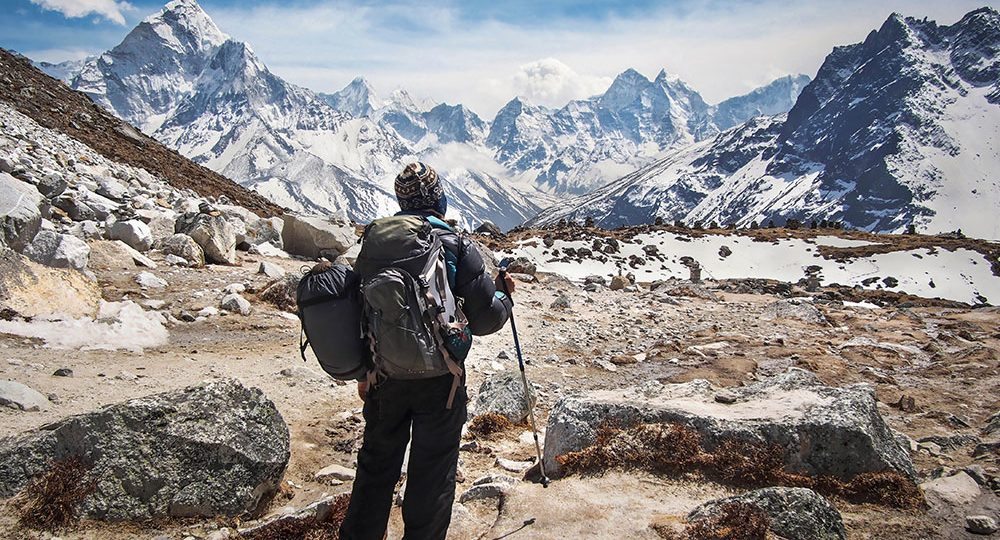
Monsoon is an excellent time for a leisurely trek to the base camp of the world’s highest peak, Mount Everest (8,848 meters/29,029 feet). In Nepal, the Monsoon season incorporates June, July, and August, which are also the summer months. It is the best time to marvel at the monsoon-enhanced greenery and rain-fed waterfalls along the Everest region trails. Your trekking adventure in Monsoon is enjoyable, as you will be treated to mesmerizing Himalayan greenery, lush landscapes, and the delights of the amazing pristine mountains at every twist and turn.
The peak time for the Everest Base Camp Trek is either Spring (March to May) or Autumn (September to November). During these high trekking seasons, the Himalayan trekking trails remain busier and occupied by trekkers from around the globe. While this adventure is favored in the course of the pre-monsoon and post-monsoon seasons, some trekkers prefer to trek during the Monsoon season to experience the less-crowded, tranquil trails. The empty trails allow trekkers to enjoy the journey at their own pace without feeling rushed by crowds.
For thrill-seeker trekkers who love to embrace challenges, the Monsoon season is perfect with its adventures and unique charm. Monsoon adds a few weather complications to the Everest Base Camp Trek that you should be prepared to deal with. More or less, the experiences and expertise of our professional trekking guide count as useful in overcoming potential challenges. While the rain may pose major difficulties for the trek, it also provides relief from the summer sun and dust of the trekking trail, making the journey more comfortable and refreshing.
Everest Base Camp Trek is possible throughout the year with proper planning, preparations, and packing. This adventure, which is also doable in the Monsoon, is the best way to experience the natural beauty and cultural exposures of the Khumbu region from a unique perspective.
EBC Trail Condition in Monsoon Season

During the Monsoon season, you can find it difficult to navigate the Everest Base Camp trekking trails, which are muddy and slippery due to frequent rainfall. So, be cautious while walking over the wet trails to avoid injuries. Also, you need to be extra careful while navigating the steep ascending and descending routes during the monsoon season. To be on the safe side, you need to be prepared by carrying proper rain gear along with waterproof trekking boots or gaiters.
There are a few places along the EBC trails where landslides are possible. You also need to be aware of potential floods and landslides that might make traversing the mountainous trails challenging. Next, bugs and leeches also add challenges to the Everest Base Camp trekking in the Monsoon season. It is the prime time for mosquitoes, bugs, and leeches, which are mostly found in forest areas.
The forest is the center point of these insects because the woodland area remains damp and wet, where the insects can become more active. As most of the EBC Trek passes through the forested region of Sagarmatha National Park, you may find yourself susceptible to leech bites. To prevent leeches and bugs from getting in your way, you can carry insect repellent spray or wear long-sleeve dresses while walking through the forested trails.
How is the Monsoon Weather?

The frequently changing weather in the onsoon season challenges trekkers to conquer the adventurous journey of Everest Base Camp Trek. This time is a mix of warm and cool temperatures due to the shifts in climate with strong sunshine and heavy rainfall. The average temperature of the Everest region in Monsoon ranges from 20 to 25 degrees Celcius during the daytime and drops around 0 to -5 degrees Celcius at night.
In the initial monsoon days, you can experience massive rainfall in the lower Everest regions like Lukla, Phakding, and Namche, while in the upper regions, there is only light rain. During the mid-monsoon, there are frequent and heavy downpours. However, the rainfall usually starts after late noon and night, making the morning and day clear and sunny.
Although the Monsoon rainclouds and atmospheric fog may clog the scenic beauty of the stunning Himalayan peaks, valleys, and hills, there are times when the weather clears, disclosing even more incredible and vivid views of the mountainous scenery. Following the rainfall, the skies and the rain-washed Himalayan surroundings appear revitalized with a refreshing beauty.
Why Should You Trek to Everest Base Camp in Monsoon?

A pleasant, clear, sunny day in Monsoon can invite dark rain clouds in no time, followed by sudden downpours. So, the Monsoon weather is rather unpredictable. There is a high possibility of landslides, and trails are often muddy and slippery. In spite of these common challenges, trekking during the Monsoon season has its own share of benefits, which are described here.
Fewer Crowds and Quiter Trails
It is a rewarding opportunity to explore nature without crowds, which you can experience during the Monsoon visit to Everest Base Camp. As most people choose peak seasons for their trekking adventure, like Spring and Autumn, some prefer to embark during the Monsoon season to embrace Himalayan tranquility.
The journey is sure to be more peaceful and enjoyable without crowds on trails. You can indulge in the serene mountain atmosphere and lushness of the surrounding landscapes during the trek. On less congested trails, you can proceed freely and openly, enjoying the wilderness and unspoiled nature and culture of the region. You can enjoy and explore the mountainous sceneries of the region to the fullest by walking along the empty and quiet Himalayan routes. If you prefer an isolated and restful trekking experience, the monsoon season is a perfect fit for you.
If you trek during the peak seasons, there is a high possibility of trails getting packed. The overfilled visitors create difficulties in finding proper accommodation and meals in the available teahouses along the Everest Base Camp trails. So, the Monsoon season is also best for easy access and approach to the services and facilities during the journey.
Lush Landscapes
The trekking journey during the Monsoon season rewards you with a lushness of widespread greenery throughout the trekking journey. You can see the valleys with deep green hills, vibrant forests, alpine flowers, rich vegetation, and waterfalls down the hillsides, which will captivate your heart and mind. These enchanting landscapes create a picturesque backdrop against the expansive panorama of majestic snow-capped mountains.
The rain-nourished mountainous surroundings offer a spectacular and fresh natural beauty. So, the Everest Base Camp trekking in the Monsoon season is a unique experience for the Himalayan prospects, which is filled with lush greenery, colorful blossoms, and landscapes washed and shaped by rainfalls.
Deep Learning of Local Culture and Lifestyle
The Monsoon season trek of Everest Base Camp allows you to gain a deeper insight and understanding into the unique lifestyle of remote mountain communities. You can get the opportunity to witness and explore the unique aspects of typical Sherpa culture and even partake in some local celebrations at this time of year.
Due to fewer trekkers, you can find a peaceful teahouse environment, which contributes to significant conversations with the native people. A friendly and close interaction with these indigenous communities helps you learn about their distinct culture, traditions, architecture, and religious values.
The Monsoon season is a crucial time for agriculture. As the rain revives nature, Monsoon becomes the perfect time for cultivation. So, farmers are often seen in their fields planting and harvesting crops. Asar 15 in Monsoon is celebrated as a paddy plantation day in Nepal, which is also called Ropai Jatra. It is the most awaited and cheerful time for Nepalese farmers. During your Monsoon trek, you can see terraced fields come to life in the lowland villages of the Everset Base Camp trails, being meticulously cultivated by the local farmers. So, Monsoon is the perfect time to explore the farming practices of people in traditional villages of the Everest region.
Offseason Discounts
Monsoon season, from June to August, is the off-trekking season in Nepal. As most of the trekkers avoid Monsoon for their Himalayan adventure, you can expect a little bit of off-season discounts and extra amenties. Some trekin agences do offer discounted package rates for trekking in Monsoon. Also, you may be able to catch cheap flight to Kathmandu-Lukla-Kathmandu in this low season.
While trekking along the EBC trails, the teahouse accommodations in Monsoon are often found at lower price rates than peak trekking seasons. Likewise, the food and drinks are also served at discounted rates. As there won’t be a large number of trekkers, it will also be easy to get rooms in the teahouse.
If you are in a budget constraint, Monsoon is the perfect season to embark on this adventurous journey when prices are budget-friendly.
Challenges of Everest Base Camp Trek in Monsoon Season

Flight Delays and Cancellation
Flight disturbance is one of the major challenges of trekking Everest Base Camp during Monsoon season. Flight delays are common, especially during adverse weather conditions. In case of atmospheric adversity, the flights even get canceled and rescheduled for the next favorable day. Monsoon is a time of heavy and recurrent rain with dark clouds in the sky. Such weather condition increases the likelihood of possible flight delays and cancellations.
The flight to Lukla Airport (Tenzing Hillary Airport) is the only quick option to start Everest Base Camp Trek. However, the rain clouds and thick fog might disturb the flights between Kathmandu and Lukla in Monsoon. To avoid the hassle of flight disruption, you can plan ahead of time by staying informed of the weather forecast and maintaining the flexibility of the tour. It is also advisable to have spare days in case of weather adversity during the EBC trek in monsoon season.
Rain and Slippery Trails
Rain is a big challenge during the monsoon trek to Everest Base Camp. The Monsoon season in Nepal from June to August brings heavy rainfall, troubling the trekking activities. Navigating the tough, rugged mountainous trails in rainfall is challenging. Due to regular rain, the Himalayan terrains and trails get drenched and slippery. The slipperiness of the trail makes you go slower on the wet trail, as you have to be wary of possible slips and injuries while walking.
Humidity and Acclimatization Difficulty
Regardless of the season, altitude sickness is a possible risk factor in any high-altitude trekking adventure that every trekker must be mindful of. However, the probability of altitude sickness is relatively high in the Monsoon season owing to the acclimatization challenges. The high humidity in the air makes it harder for the body to acclimatize to the higher altitudes.
The increased humidity level in the atmosphere can quickly cause dehydration without giving you the feeling of thirst. Also, you will be exhausted easily, making the trek challenging to complete. So, to acclimatize properly, you need to maintain proper hydration and a slow pace of ascent. You need to allow the body enough time to adapt to the atmosphere and environment of the rising elevations of the trek.
Obstructed Views
The best part of trekking to the high-altitude Himalayan regions like the Everest Base Camp is to marvel at the breathtaking vistas of the majestic snow-covered peaks and captivating mountain scenery. However, during monsoon season, the visibility of scenic mountainous surroundings and the Himalayas is only faint.
Due to the weather instability, the atmosphere is disturbed most of the time by rain, haze, and clouds. So, it will be hard to get a crisp view of the surrounding peaks and landscapes while trekking along the Everest Base Camp trails. You can even face challenges in finding the trekking trails to follow the right path because of the environmental obstruction.
Food and Accommodation During Monsoon in EBC Trails
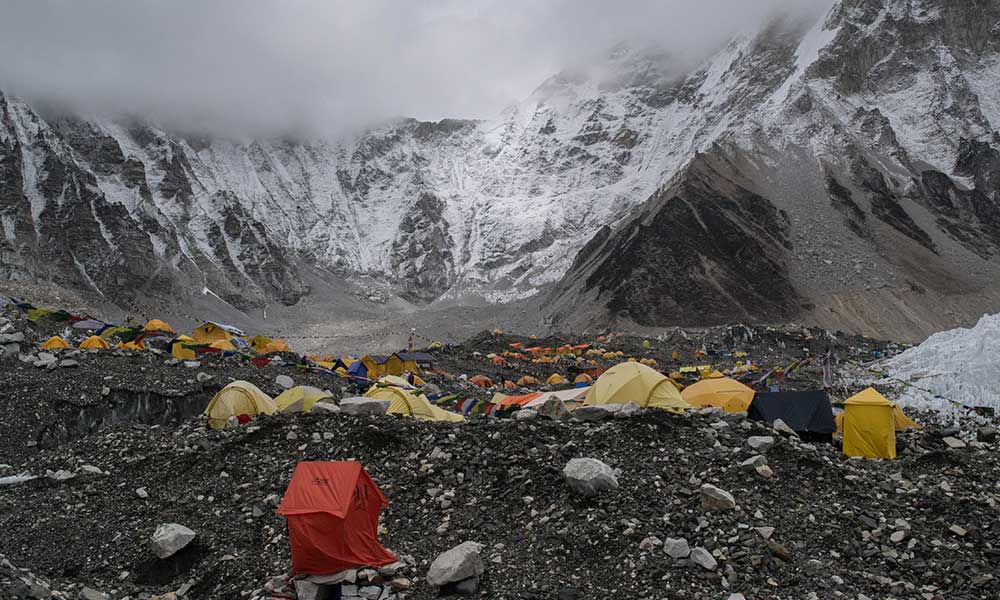
You need not worry about finding a good meal and comfortable accommodation during the Everet Base Camp Trek in the Monsoon season. Despite the monsoon being an off-trekking season, the teahouses along the trekking trails are open and fully operational. This is also because the teahouses are locally run by family members, which is their major source of income.
As monsoon is a low time for Himalayan trekking, the trekking trails and teahouse environment seem to be quiter. Due to less competition for food and accommodation, you can easily find one that fits your needs and preferences. Regardless of the size of your group, the teahouse space can easily accommodate your numbers for a cozy and comfortable stay in Monsoon.
Also, you need not have to book the accommodations in advance as you can easily find the accommodation availability at the time of your arrival in teahouses/lodges. At times, you might even get food and accommodation services at a discounted rate during the Everest Base Camp Trek in Monsoon.
Similar to the other seasons, the teahouse accommodation is simple with basic amenities. Everything from the living space to the bathroom and dining hall is communal. Toilets are traditional squat styles, which are also available as a shared option. However, you can get a private room with an attached toilet and bathroom at higher prices and other facilities like internet, hot showers and electricity chargings at additional costs. The food commonly found in the teahouses is standard Nepali cuisines like dalbhat, momo, thukpa, chowmein, yak steaks, gundruk, mushroom soup, etc. You can also taste the variant flavors of some international dishes like pizza, burgers, french fries, sandwiches, etc., in teahouses.
You may also like:
Tips for Everest Base Camp Trek in Monsoon

Stay Hydrated
Water is vital to regulate the body temperature and maintain oxygen levels. For the proper functioning of the mind and body, you need to stay well hydrated. Hydration is also important to avoid physical weakness such as fatigue, muscle cramps, dizziness, and more, which reduces your ability to perform the trek.
During the trekking journey, you will undergo excessive physical exertion and the water in your body escapes as a form of sweat. So, to avoid dehydration and ensure optimal functionality, you need to drink around 3 to 4 liters of water daily. You can carry a thermal water bottle and use water purification drops or tablets for safe drinking water.
Hydration also prevents altitude sickness, which is a risk factor in high-altitude trekking adventures. During the Monsoon, with the increased humidity level in the air you may not feel thirst as in drier conditions. Without knowing, you may be susceptible to the possibility of altitude sickness. So, it is crucial to stay hydrated, which allows you to adjust to the low oxygen levels of higher altitudes and avoid potential sickness.
Keep Weather Updates
Monsoon is the rainy season with unstable weather conditions. Heavy rainfall with lightning and thunderstorms is often experienced at this time, which can make the trek challenging to proceed. You may have to stop the trekking and wait until the weather gets better. So, while planning the Everest Base Camp Trek in Monsoon, It is wise to check the weather forecast beforehand to avoid possible hassles and ensure safety during the journey.
As the frequent changes in weather during the Monsoon season can hamper the trek, you need to keep regular updates on the weather conditions while on the journey. Also, be mindful of any alerts issued by local authorities or trekking agencies. Such warnings help you make informed decisions regarding your trekking activities.
Extra Days in Case of Bad Weather
Clouds and fog are common during the Monsoon season, which can reduce environmental visibility. With a faint vision, you cannot proceed safely and easily on trails, which makes trekking more complicated. Also, you need to take frequent breaks to wait for the weather to clear and enjoy the scenery. Due to recurrent rain, the trekking trails are often muddy and slippery. You need to take extra precautions to walk on wet trails or avoid walking to prevent accidents.
Monsoon, with its unstable and rainy weather conditions, at times takes a day to improve the weather. In such conditions, you may have to extend your trek or stop for a few days to continue on the trekking journey. So, you need to necessarily include the extra days into your trek plan to allow for possible delays due to unfavorable Monsoon weather. Also, be updated about the trail conditions before embarking on a trek in Monsoon.
Pack Appropriate Trekking Gear
You need to be well-equipped with proper trekking gear for a comfortable and successful trekking journey at the Everest Base Camp during the Monsoon season. Ensure to carry the appropriate equipment that can be handy in wet and muddy conditions. Here are some important items that you can pack for the Monsoon trekking.
- Waterproof jacket
- Rain pants
- Rain cover for backpack cover
- Waterproof trekking boots with good grip
- Gaiters (keep your feet dry by preventing the slip of water)
- Quick-drying clothing
- Waterproof hats and gloves
Everest Base Camp Trek in Monsoon Season- Conclusion
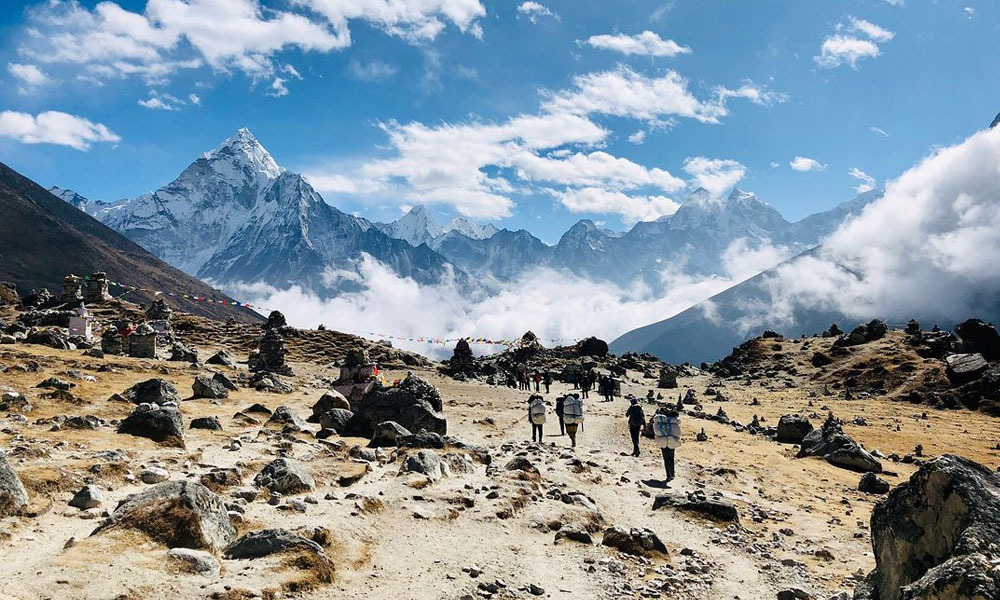
Monsoon is the off-season for trekking in the Himalayas, which has adventures of its own. During this less-crowded season, you can experience the pristine natural beauty of the Himalayas and culturally rich villages in an intimate way, which enriches your trekking adventure. Everest Base Camp Trek in monsoon season can be an exhilarating and worthwhile journey if you are well-prepared and open to embracing the eccentric wonders it offers.
The journey to the Everest Base Camp in Monsoon is a unique experience of Himalayan adventure with its own set of challenges and rewards. Considering other seasons, trekking EBC in Monsoon is a bit challenging due to constant rainfall and hot temperatures. However, if you are prepared for the challenges with proper packing, upgraded physical abilities, and cautious planning, you can enjoy a leisurely trekking journey traversing the quieter mountainous trails of the Everest region.


